In commemoration of the World Science Day, we discovered a sustainable project: The City of Science in Rome.
Why is World Science Day celebrated?
In the year 1999 took place in Budapest (Hungary) a global conference on science that addressed topics such as commitment to use it for the benefit of citizens. Two years later, the United Nations To commemorate that conference, it decided to establish the November 10 such as World Science Day for Peace and Development.
Therefore, the primary goal of the UN and the other institutions and governments that participate each year is to try to steer science toward meet the needs of individuals, but also of the environment, education, and, of course, that it takes a position in favor of peace. Every year, in observance of World Science Day, the government organizes activities and events to secure funding for research.
 Photo: The World
City of Science: A Self-Sustaining Ecosystem for Rome
As we mentioned earlier, the World Science Day It seeks to align this discipline with the needs of citizens, but also toward sustainable environmental development, such as the project by the French architect Vincent Callebaut. His proposal is to transform the former military district north of Rome into a sustainable and self-sufficient urban enclave.
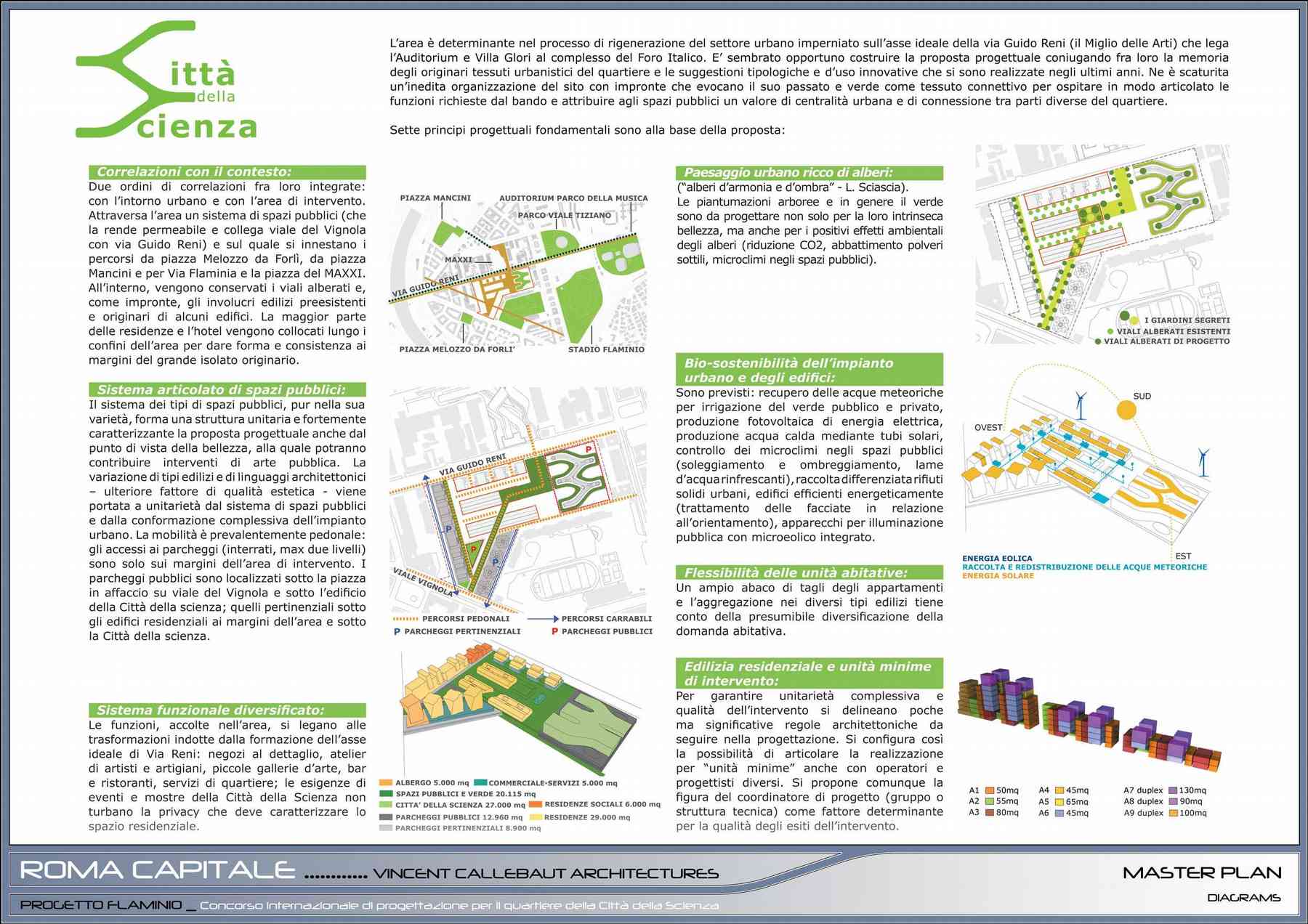 Photo: Vincent Callebaut
City of Science: What Is Vincent Callebaut's Project Like?
The project for Callebaut combines the principles of the Land Art in his art of combining architecture, sculpture, and landscape design. In addition, its design blends in with the layout of the historic city and offers the city a green and energy-efficient space.
The proposal from the City of Science has an area of 86,000 m², includes residential areas, commercial areas, public spaces, services and the lead role City of Science building, featuring a multifunctional cultural, scientific, and educational program that gives the master plan its name.
The project is an idea presented by the French architect, a specialist in «biotecture» or ecological architecture, for the international competition held to design a proposal to modernize the old building currently surrounded by Zaha Hadid's MAXII Architecture Museum, and the auditorium Renzo Piano's Music Park.
Some of the key decisions The benefits of this innovative, bio-sustainable approach include:
-
-
Tree Planting of different species and ages, public and private gardens, and vertical gardens.
- The various architectural styles incorporate rainwater recovery and recirculation systems.
- Installation of photovoltaic panels; hot water production using solar collectors.
- Reuse of Waste and Residues for biomass production.
- The use of energy-efficient facades due to their shape and materials.
-
Self-Sufficient Lighting through micro wind turbines.
-
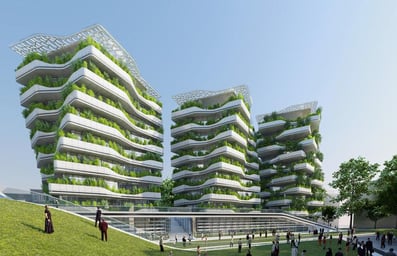 Photo: Archiexpo Projects
The project is taking shape as follows: the main lines of the urban layout. The building typologies in each sector correspond functionally and morphologically to their intended use, integrating existing buildings. The use of green spaces and energy-efficient materials expresses the revitalizing and sustainable impact that the city of Rome will add to the powerful legacy of its history.
Remember that if you want to boost your professional future, at Structuralia We offer a wide range of courses and master's programs. If you care about the environment and how to improve people's quality of life, you can always study Master's Degree in Quality, Environment, and Safety in Construction. Or if you're concerned about the energy situation, the Master's Degree in Energy Efficiency and Renewable Energy.
What did you think of the project by City of Science in Rome under the guidance of the architect Vincent Callebaut? Without a doubt, an ideal project to celebrate the World Science Day for Peace and Development, as this is an example of how to meet human needs.