The synthetic fuels They may be the future of more sustainable mobility—join us to find out why.
Synthetic Fuels: The Clean Future of Mobility and Energy
Currently, the rampant use of fossil fuels has become one of the main threats to our planet. The harmful effects of the burning of oil, gas, and coal are evident in the growing climate crisis and rising greenhouse gas levels. It is in this context that the synthetic fuels are emerging as an alternative to conventional fuels that does not contribute to climate change and helps preserve the environment.
The synthetic fuels represent a revolutionary technological innovation that promises to drastically reduce our dependence on fossil fuels. Let's take a closer look at the potential of these synthetic fuels, analyzing its environmental benefits and its potential to transform the energy industry.
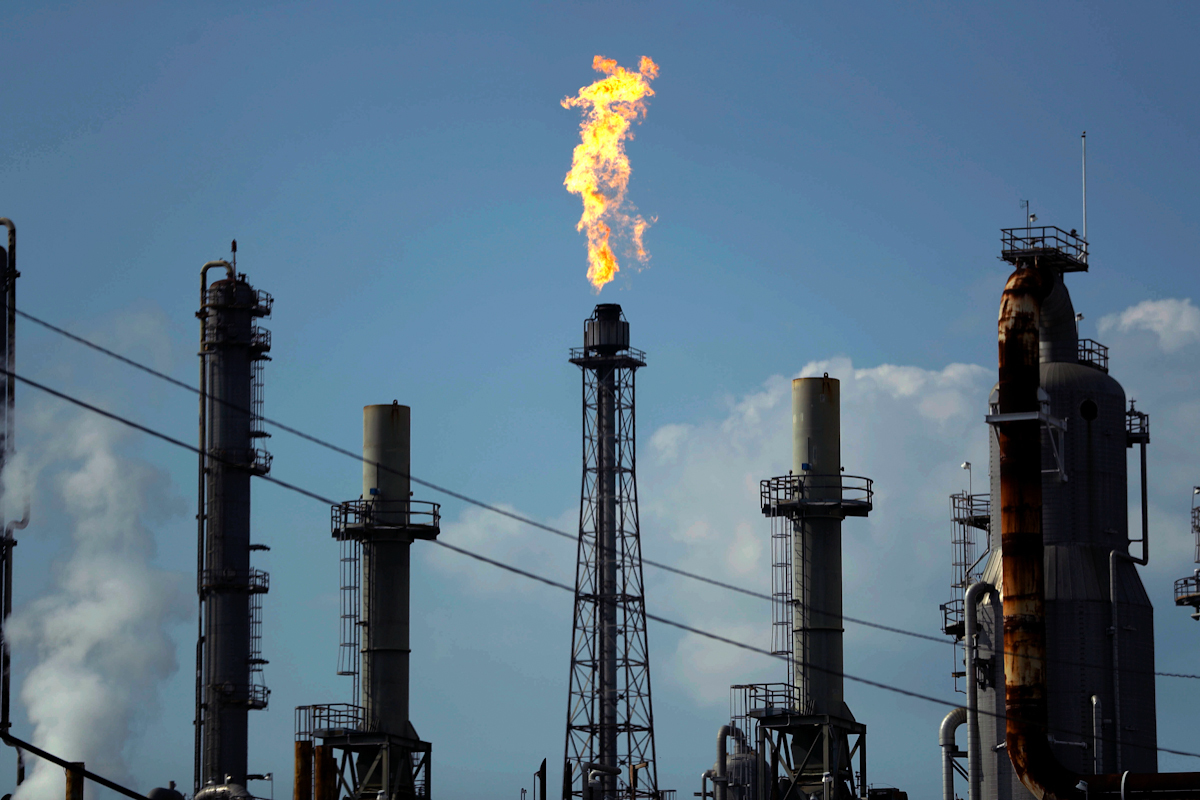
A traditional fuel refinery, which emits greenhouse gases into the atmosphere—an issue that would be mitigated by the adoption of synthetic fuels. Elmundo.es
What Are Synthetic Fuels?
Synthetic fuels are an innovative class of fuels that are produced from non-fossil raw materials, such as hydrogen, carbon dioxide (CO2), or even biomass. The most distinctive feature of these fuels is that they are produced using chemical, thermochemical, or biotechnology, rather than being extracted from natural sources such as oil or natural gas. This approach allows for greater flexibility in the choice of raw materials and the possibility of reduce CO2 emissions into the atmosphere, making them a promising option for addressing the challenges of climate change.
The synthetic fuels can take various forms, ranging from the popular «eFuel» (synthetic liquid fuel) through «Power-to-Gas» (PtG) that produces synthetic hydrogen. As we move toward a more sustainable economy, synthetic fuels play a crucial role by providing a versatile energy solution which can be used in a wide range of applications, including transportation, power generation, and heating. Its ability to be produced from renewable sources is key to achieving sustainable mobility and power generation in the future.
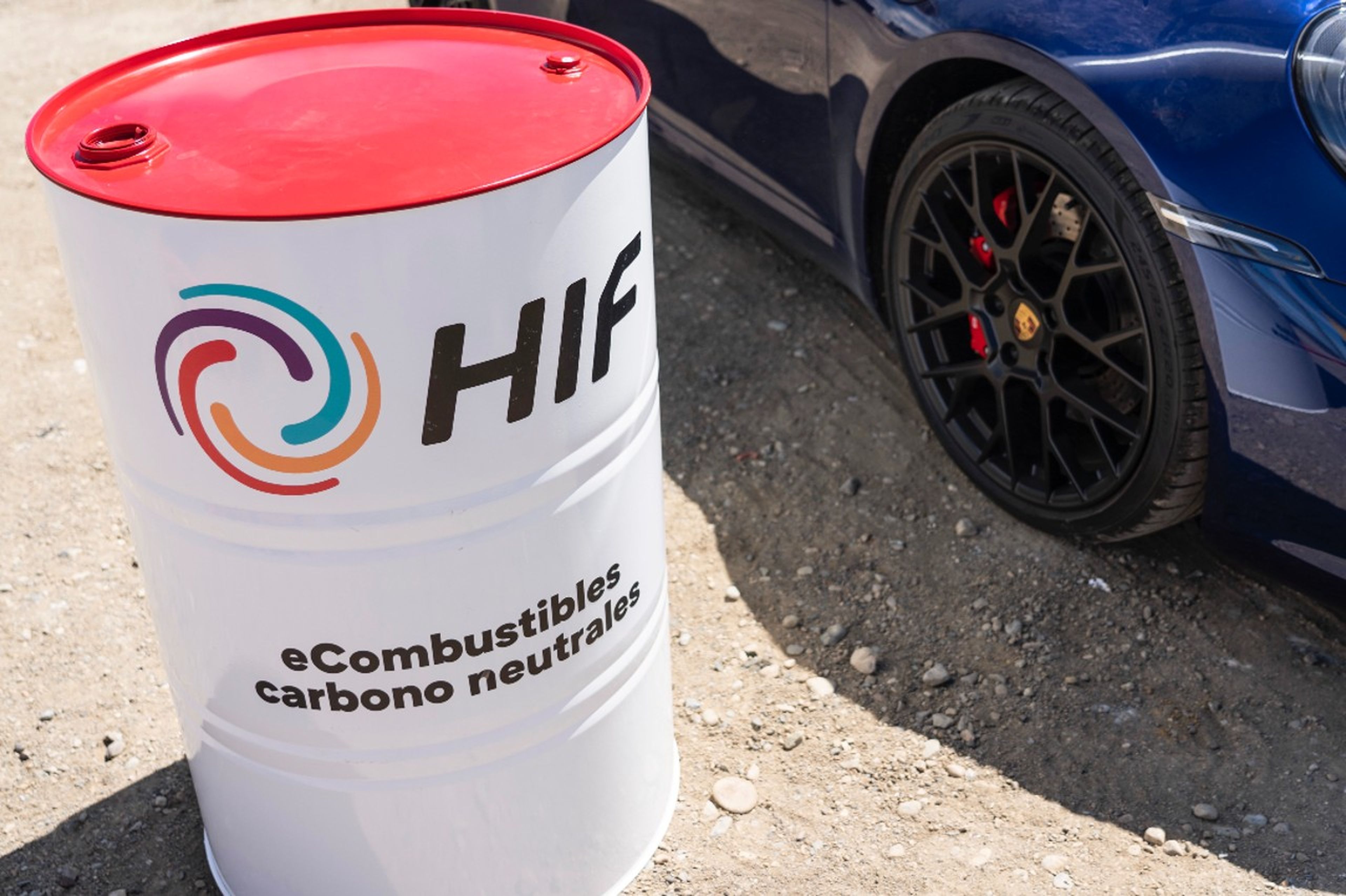
Can synthetic fuel for high-performance cars. Autobild.es
Production and Manufacturing of Synthetic Fuels
Synthetic fuels are produced through ingenious processes that involve the transformation of non-fossil raw materials into fuels suitable for use in engines and energy applications. One of the most common methods is the process Fischer-Tropsch, which converts hydrogen and CO2 into synthetic hydrocarbons. The necessary hydrogen can be produced through water electrolysis using renewable energy, and CO2 can be captured from industrial sources or even directly from the atmosphere. Another approach is to use biotechnology, where genetically modified microorganisms convert biomass into synthetic biofuels. These methods enable the production of synthetic fuels with a significantly lower carbon footprint compared to conventional fossil fuels.
The versatility in the selection of raw materials and the ability to adapt to various sources of renewable energy make the manufacture of synthetic fuels is a fairly viable alternative in the short term. Therefore, as we move forward with the implementation of clean technologies, the production of synthetic fuels is emerging as a promising solution for reducing dependence on fossil fuels and mitigating the environmental impact of our energy activities. In this context, synthetic fuels stand out as a an innovative response to the urgent need to reduce carbon emissions and preserve our planet.
Benefits of Synthetic Fuels
Synthetic fuels appear to be a revolutionary alternative to conventional fossil fuels, offering a number of unmatched environmental and energy benefits. Their ability to be produced from renewable sources and recycle CO2, their flexibility in the choice of raw materials and their compatibility with existing infrastructure make them an invaluable asset in the fight against climate change. Synthetic fuels hold the promise of drastically reducing carbon emissions, decreasing our dependence on non-renewable resources, and ultimately accelerating our transition toward a more sustainable society and environmentally friendly.
In a world that longs for sustainable solutions, the synthetic fuels emerge as a a beacon of hope at the crossroads of energy and the environment. These innovative fuels hold the promise of a transition toward a cleaner future, where carbon emissions are decreasing, and dependence on fossil fuels is being significantly reduced. If you’re curious and passionate about contributing to this transformation, we encourage you to explore beyond these lines. Take advantage of the opportunity to expand your knowledge and become an agent of change by consulting leading institutions in specialized education, such as Structuralia, which offers Courses and Master's Programs in Energy, the Environment, and Sustainability. Investing in your education is the first step toward a brighter future for our planet, and the transition to a more eco-friendly society begins with each and every one of us.