Come see how the robotics in industry and understand the growing demand for professionals in the sector.
How is robotics used in industry today?
Due to the technological advances of recent decades, Robotics has established itself as a driving force behind the radical transformation of the industry. In a world where speed is essential and efficiency is the norm, the automation Robotics has revolutionized the way we think about production and industrial processes. The fundamental question we ask ourselves is: How does robotics work? As this issue takes center stage in the technology sector, it is vital to explore how the integration of robotics has completely reshaped the landscape of manufacturing and industrial operations.
The evolution of robotics over the years has been a fascinating journey, from being mere assistants in industrial settings to becoming true pillars of modern production. In this age of digitization and connectivity, engineers eager to explore the world of robotics find a highly fertile ground for their creativity and skills. The constant evolution of robotics technology has given rise to a symphony of interconnected systems that work together in harmony, improving efficiency, reducing costs, and enhancing quality at every stage of the industrial process. As we continue to delve into this intriguing blend of engineering, programming, and mechatronics, we explore it in depth How Robotics Works and how it has created a new need for professionals in the industry.
How does industrial robotics work?
Types of Robots Used in Industry have unique characteristics that set them apart from their counterparts used in other fields. Industrial robots—highly specialized and designed for specific tasks—are the fundamental cogs that drive efficiency and precision in manufacturing. These industrial robots range from the articulated robotic arms, capable of maneuvering in tight spaces with millimeter-level precision, up to the SCARA robots (Selective Compliance Assembly Robot Arm) that excel in high-speed assembly and operations.
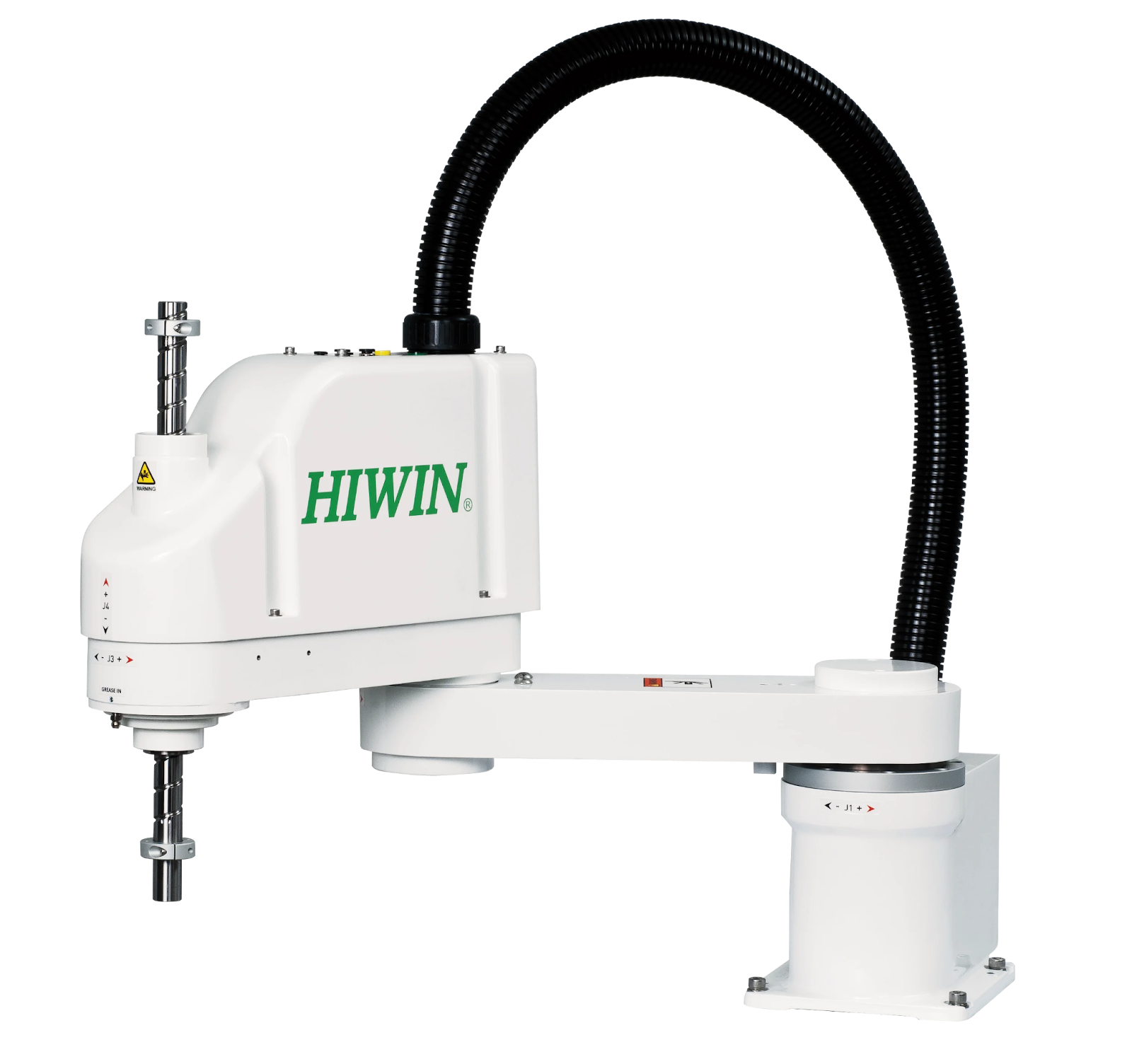
Photo of a SCARA robot and how robotics works in industry.Generaldrivermotor.com
In contrast to the robots used in the space exploration or at the medical care, where versatility and adaptability are paramount, Industrial robots are used for specific, repetitive tasks. Meticulous programming and precise control enable these robots perform calculated and synchronized movements in a highly controlled environment. While in industry the focus is on optimized production, in other fields, such as service robotics, the focus is on interaction with humans and adaptability in changing environments. Thus, the intriguing world of industrial robots It is distinguished by its ability to carry out highly specific operations, catalyzing the industry's transformation in the modern era.
Professionals Who Will Be Indispensable to the Functioning of the Robotics Industry
The robotic revolution in industry has not only reshaped manufacturing processes, but has also has led to a growing demand for highly trained and specialized professionals who have a thorough understanding of how robotics works in the industry. In this exciting landscape, various roles come together to bring the industrial robotics, creating the following roles, which are becoming indispensable in the industry.
1. Automation Programming Engineers
They play a crucial role in translating automation goals into code and algorithms. Their programming skills in PLCs (Programmable Logic Controllers) and control system configurations enable industrial robots to perform tasks with precision and fluidity.
2. Industrial Robotics Engineers
They are the architects of automation. Their in-depth understanding of robotics—including mechanics, electronics, and software—enables them to design efficient and safe robotic systems that are carefully tailored to the needs of the industry.
3. SCADA Engineers (Supervisory Control and Data Acquisition)
They are the guardians of real-time monitoring and control. By implementing SCADA systems, these professionals oversee the operation of the robots, monitor critical variables, and ensure that everything runs smoothly.
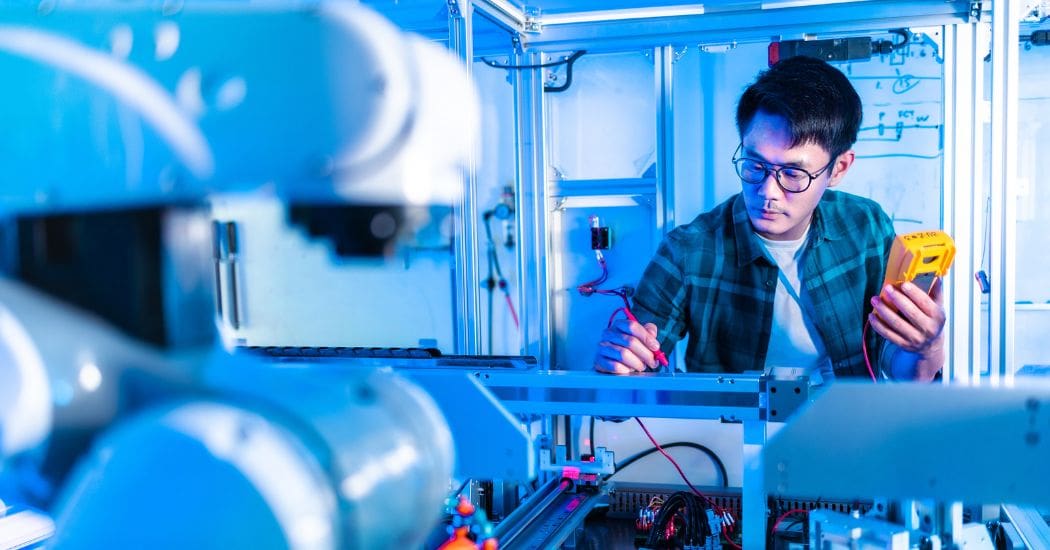
Special mention should be made of the Industrial Robotics Maintenance Technicians, whose work is essential to ensuring continuous operation. These experts perform accurate diagnostics, timely repairs, and meticulous adjustments, thereby safeguarding the service life and efficiency of robotic systems.
Beyond the artificial and technological aspects, Human professionals remain essential in the How Robotics Works these days, which means that the better trained and more specialized professionals are in new technologies, the We will be able to get the most out of robotics. As a starting point, Structuralia offers a wide range of specialized training courses, which focuses heavily on the new digital revolution and Industry 4.0, and which you can find here.