If you're familiar with the world of urban planning and urban layout, you'll know that it's difficult to define exactly what a Smart City, since it is a broad and complex concept. We can say that a smart city encompasses an entire philosophy of efficiency and ease of use which covers topics such as urban distribution to others such as the use of various public services or means of communication that make up a city.
In this post, we outline all the key aspects of this concept of a new resurgence, which seems to have taken root permanently in cities across the globe:
Technology as the Foundation for Improvements
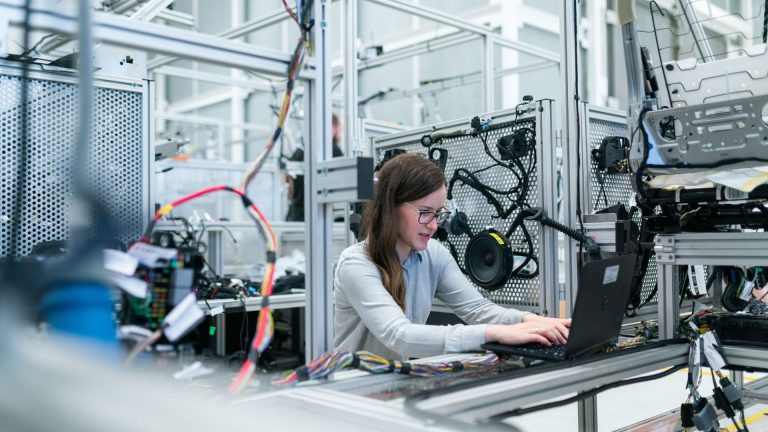
One of the aspects we could highlight as key to the definition of a Smart City is the integration of solutions based on information and communication technologies to the various types of infrastructure, buildings, and services that make it up. This is where the term “intelligent” or “Smart” comes from. Various types of technologies are already being used in cities around the world, such as the Big Data, sensors, or the Internet of Things. Throughout this post, we'll share some examples that illustrate how it's used.
Energy efficiency as the main focus of action
When discussing a Smart City, we must emphasize the importance of energy efficiency in a city of this kind. One of the main objectives The goal of incorporating technology into infrastructure is to improvements in eco-efficiency, sustainability, and long-term viability of cities.
Let's keep in mind that, currently, even though cities occupy only 2% of the world's total land area, these cThey account for 75% of global resources. This, combined with the fact that current migration trends indicate that the 70% of the world's population will live in cities by the year 2050, make efficient management of urban resources in these population centers a urgent need in our current development as a society.
Optimizing Mobility and Transportation
Specifically, when it comes to mechanisms and processes for improving efficiency, any Smart City worthy of the name must integrate a public transportation system that is governed by the principle of maximum efficiency. A smart city must also incorporate measures that encourage the use of alternatives such as biking or walking for citizens' daily mobility and, ultimately, to also provide the necessary measures to ensure that travel in private vehicle trips are made as efficiently as possible and that no environmental, economic, energy, or time resources be wasted on them.
As an example, we can highlight the case of Brussels. In this city, the metro lines have energy converters that harness braking energy from trains to generate electricity, thereby creating a self-sustaining cycle within this public system. This model is currently being expanded to other European cities. Other examples of strategies to improve mobility efficiency that are likely closer to home can be found in real-time information systems for buses or subways, as well as the Management of traffic control centers and parking lots using sensors that send information to our smartphones. All of these solutions share a common goal: to improve travel efficiency.
Optimization of Urban Services
Urban services are another major area of focus for improving overall efficiency in a city. In this regard, there are many types of improvements that can be made in various areas: general systems, street lighting, waste collection, security, telecommunications and so on and so forth.
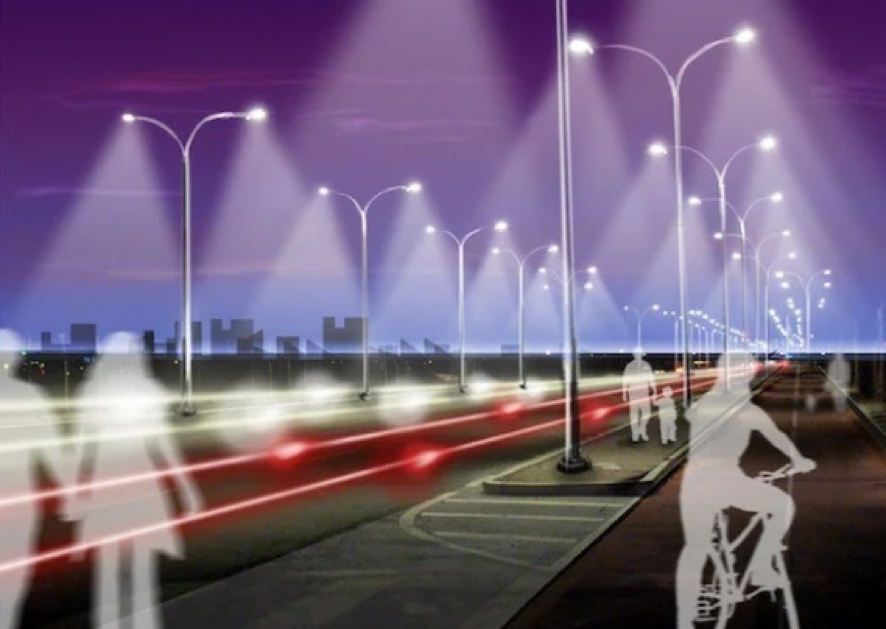
An example of how technology has been implemented to improve these conditions can be found in the city of Barcelona, where the Urban trash containers are equipped with sensors wireless devices that measure the fill level and connect to an overall data processing system that plans and recalculates the garbage truck route based on actual need. Another example—perhaps one that is more familiar to everyone—can be found in regulating the intensity of streetlights using sensors that detect whether or not there are people and vehicles passing by.
Other areas of focus: citizen comfort and infrastructure maintenance
Limiting smart city solutions to improving the city’s overall energy efficiency, urban services, and mobility would be to scratch only the surface. There are many other areas of focus for the development of applied technology as a solution for cities. Among them, the following stand out: citizen comfort -whether in their daily commutes or in all their activities that involve some degree of interaction with the city and its ecosystem- or the optimization of maintenance activities for all infrastructure networks that make up the city, which can be controlled using sensors and data processing.