There is no shortage of reasons for the Environmental awareness and its presentation, here are a few of them.
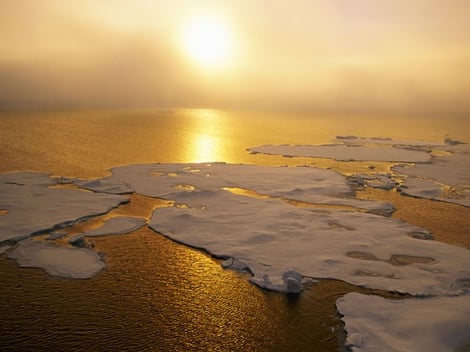
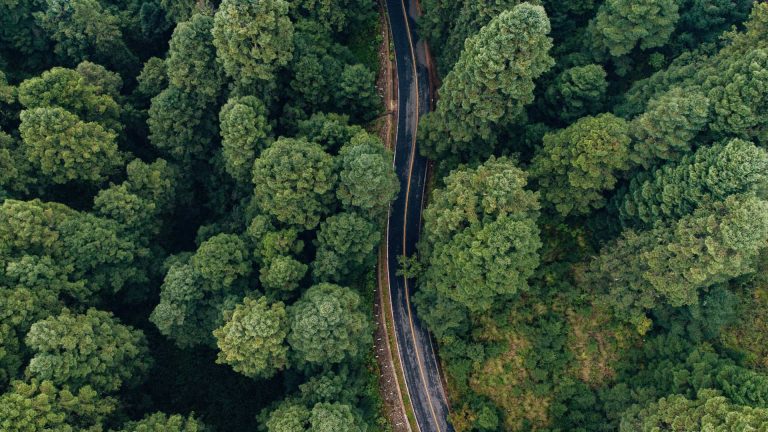
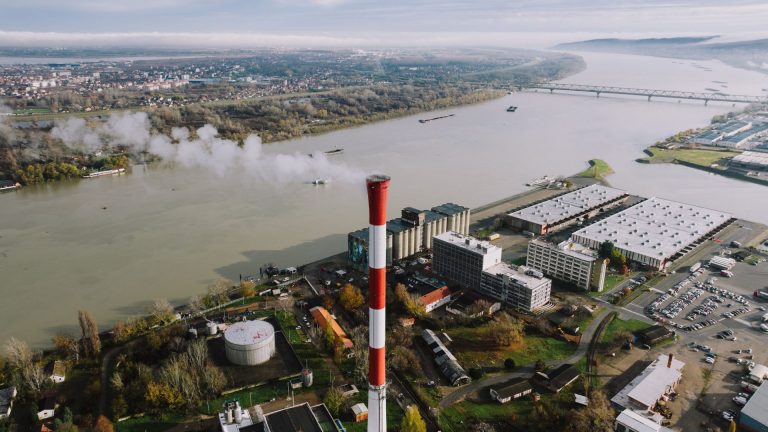
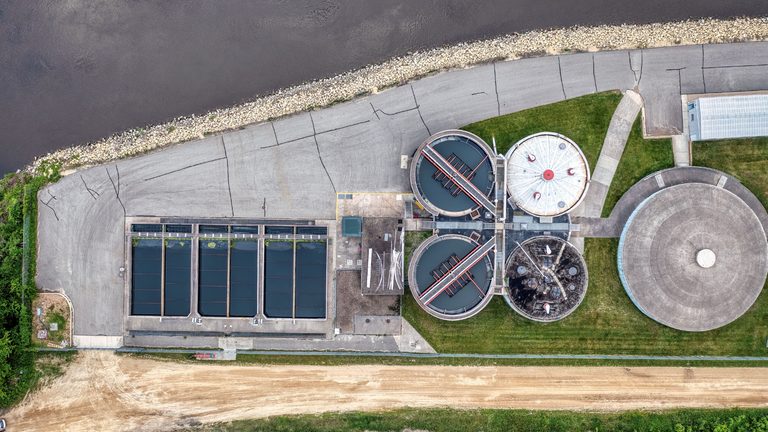
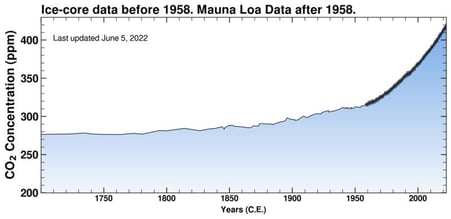
We've long been aware of the damage we cause to the planet every day, simply by the lifestyle we have established in large cities, and the culture of consumption. Even so, it's still very difficult to create a environmental awareness and the need to reverse, as soon as possible, the unchecked development we have been pursuing over the last couple of decades. We're talking about a concept that is becoming more and more prevalent in the public conversation about the future. Awareness of an issue reflects the level of knowledge we have as individuals about that issue, and environmental awareness, refers to knowledge about the current state of the environment and the consequences of the increase in its deterioration, the possible solutions, and the conversation about our future unless we, as a society, reverse the damage done to the planet. At the institutional level, each country has its own organizations within the political and administrative system that are responsible for ensuring the environmental protection . And at the international level, the United Nations, has been the leading organization in bringing attention to the issue and encouraging countries to join forces in reverse the damage caused to the environment, and thus reduce the alarming levels of pollution we are currently facing; by carrying out annually climate summits to agree on a course of action. According to the latest reports released by IPCC (Intergovernmental Panel on Climate Change), greenhouse gases (the main cause of global warming) have been rising steadily since 1959, when levels were around 315 ppm (parts per million), and reached a peak of 411 ppm in 2019. Starting in 2020. For the first time, we have begun to flatten the growth curve, dropping to 409 ppm; even so, we have not been able to prevent global temperatures in 2021 from being 0.81 °C above pre-industrial average levels. Atmospheric CO2 concentrations since 1700, with data from Mauna Loa since 1958. Source: NOAA. elsaltodiario Image of the polar ice caps melting. National Geographic Because of this—and a very long list of other consequences for the planet, for us, and for future generations—it is so important to take a environmental awareness at the collective level as soon as possible. Above all, cAs professionals, we have a responsibility to apply and educate ourselves on environmental conservation standards and the reduction of pollutant emissions. That is why Structuralia offers a wide range of master's programs in the field of sustainability and environmental awareness.What is environmental awareness all about?
Major climate summits:
How is the planet doing?
Consequences of Global Warming