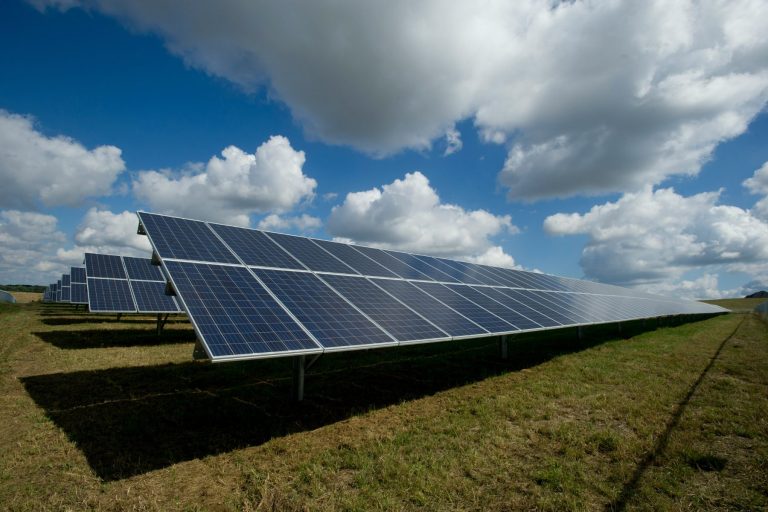
The the environmental impact of technology They're not just negative—they go much further than that. Do you think we've made progress?
The Environmental Impact of Technology: Have We Made Progress?
At the intersection of unbridled innovation and a concern for sustainability, an issue emerges that cannot be overlooked: the environmental impact of technology. What used to be a promising advance in comfort and efficiency now calls for reflection on how our insatiable pursuit of technological progress may be affecting the fragile balance of our planet.
As processors become more powerful, data more ubiquitous, and networks more interconnected, a crucial question arises: To what extent are we willing to let the environmental consequences of technology determine the course of our future? In this article, we will explore how this symbiotic relationship between technological advancement and environmental impact It has become one of the most pressing debates of our time.
What kind of impact does technology have on the environment?
The technological maelstrom is not only redefining the way we live and work, but it also poses unavoidable challenges to the health of our planet. The growing demand for electronic devices, from smartphones from ultra-modern appliances to smart home appliances, It fuels a global production chain that consumes vast amounts of natural resources and energy. The extraction of rare minerals and intensive manufacturing create a significant ecological footprint, often exacerbated by the short lifespan of many technological products. Furthermore, planned obsolescence and the rapid succession of innovations encourage the accumulation of waste electronic, posing an urgent environmental challenge in terms of management and recycling.
This increase in the production and consumption of technology also leads to a increase in energy consumption, which can lead to a significant reliance on non-renewable energy sources and the emission of greenhouse gases. Massive data centers and internet infrastructure—the cornerstones of our digital connectivity—require enormous amounts of energy for their continuous operation and cooling. As data flows ceaselessly through cables and satellites, the echo of our online search for information resonates in the form of higher energy consumption and an ever-expanding carbon footprint. It is clear, therefore, that the environmental impact of technology extends beyond the mere manufacture of devices and lead to a series of branches that cover both energy production and consumption.
Negative Environmental Impacts of Technology
1. Generation of Electronic Waste
The rapid obsolescence of electronic devices and the lack of an adequate recycling infrastructure lead to the accumulation of electronic waste, which releases toxic substances into the soil and water, threatening human health and the ecological balance.
2. Exploitation of Natural Resources
Large-scale production of technology requires rare metals and plastics, which can drive deforestation, soil degradation, and biodiversity loss, causing irreparable damage to ecosystems and local communities.
3. Depletion of Water Resources
The production and operation of this technology require large amounts of water, which can exacerbate water shortages in regions already affected, as well as contaminate water sources with toxic chemicals, contributing to soil desertification.
4. Impact on Air Quality
Resource extraction and technology manufacturing can generate emissions of fine particulate matter and harmful chemicals, negatively affecting air quality and the respiratory health of local communities.
5. Inequality in the Distribution of Benefits
Despite technological advances, the digital divide persists, which can exacerbate inequality by limiting access to educational and economic opportunities for marginalized populations.
6. Decline in Wildlife Populations
Technological development can disrupt and degrade natural wildlife habitats, affecting species and contributing to biodiversity loss.
7. Changes in Behavior Patterns
Technology can encourage unsustainable consumption patterns and a lifestyle based on instant convenience, which can have a negative impact on personal health and the environment.
8. Environmental Cybersecurity Challenges
The growing interconnectedness and dependence on technology also opens the door to cyber threats that can affect critical infrastructure and cause direct environmental damage.
9. Air Pollution
Some facts about air pollution, according to the UN, include the fact that nearly the entire world population (99 %) breathes air that exceeds the limits recommended by the organization and contains high levels of pollutants.
Another fact is that some 2.6 billion people are exposed to dangerous levels of indoor air pollution as a result of using fuels for heating and cooking.

Measures to Regulate the Use of Technology in the Environment
The the environmental impact of technology have led to the establishment of certain standards to regulate companies« use of technology. For example, among the ten principles of the United Nations Global Compact is Principle 9, which states that »businesses should promote the development and diffusion of environmentally sound technologies.”.
In addition, the term technologies «environmentally sound«, which refers to those that protect the environment, pollute less, use resources sustainably, contribute to product recycling, and manage waste more responsibly than others.
It is worth noting that Structuralia It is a school that enables professionals to acquire the knowledge necessary to understand these concepts.
Positive Effects of Technology on the Environment
1. Advanced Environmental Monitoring
Technology enables the collection and analysis of data in real time, which facilitates accurate monitoring of air quality, water quality, and biodiversity, allowing for a faster response to environmental issues.
2. Energy Efficiency
Technology has driven advances in energy efficiency—from energy-efficient devices to smart energy management systems—reducing overall energy consumption and greenhouse gas emissions.
3. Sustainable Transportation
Technology is revolutionizing transportation through electric vehicles, car-sharing systems, and efficient route planning, helping to reduce pollution and traffic congestion.
4. Precision Agriculture
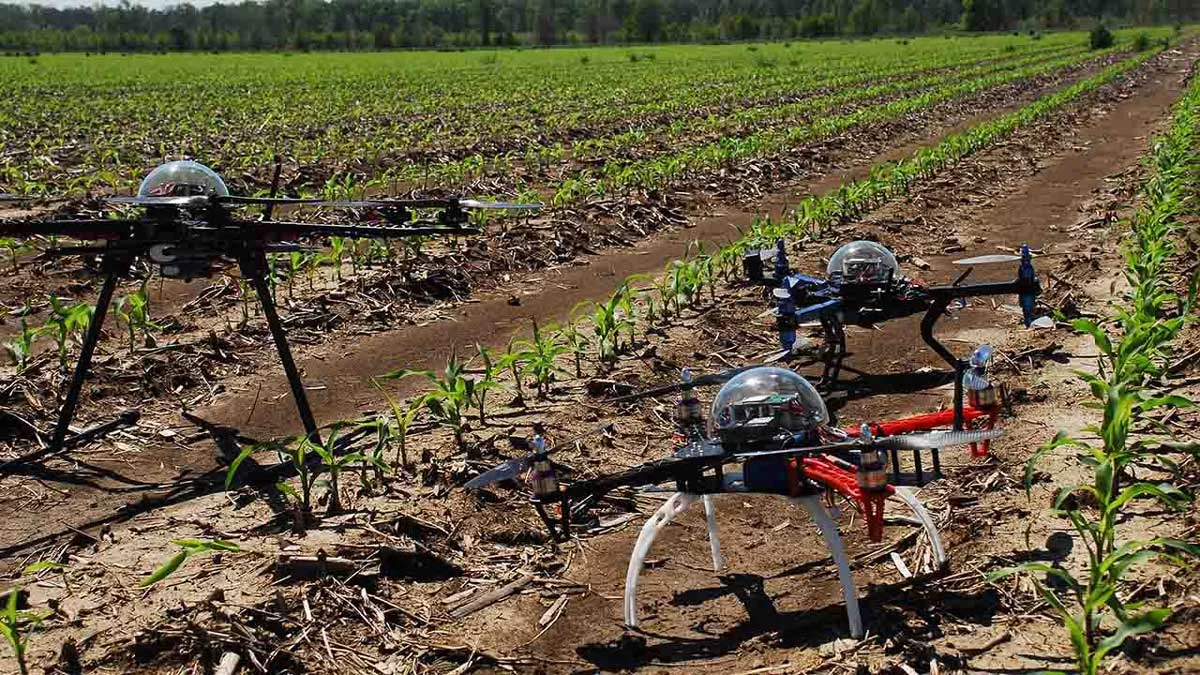
Technology enables a more efficient use of resources in agriculture through crop monitoring systems, smart irrigation, and pest management, thereby reducing waste and environmental impact.
5. Reducing Paper and Printing
Digitization has reduced the need for paper and excessive printing, which in turn reduces deforestation and the consumption of water resources in paper manufacturing.
6. Energy Decentralization
Solar energy and energy storage technologies enable the creation of microgrids and decentralized systems, providing power to remote areas and reducing dependence on centralized power grids.
7. Global Collaboration
Technology facilitates collaboration among scientists, experts, and activists around the world, enabling the exchange of knowledge and the implementation of joint solutions to global environmental challenges.
8. Smart Homes and Buildings
New devices such as smart thermostats and smart lights help minimize energy use in homes. They even work in commercial buildings.
9. Environmental Monitoring
With technology, we can monitor and ensure compliance with regulations. For example, there are drones that monitor areas with flora and fauna. There are even systems that analyze air pollution levels.
2030 Sustainable Development Goals
Technology contributes to achieving the 2030 Sustainable Development Goals, particularly Goal 9, because it helps promote a industrialization inclusive and sustainable, promoting innovation. If you want to understand the SDGs, you can review the curriculum for the Master's in Sustainable Development 2030, which could help you understand the current global framework and the most relevant aspects that could help many organizations achieve quick wins.
We can conclude by stating that technology has improved various aspects of human life, but, in terms of pollution, it has a significant impact on the environment. Furthermore, the demand for natural resources to produce technological goods and services contributes to increased pollution. For this reason, we believe it is necessary to develop technologies that are responsible and sustainable.
As professionals in the industry, we must lead by example, embracing ethics and responsibility as the cornerstones of our work. Through the promotion of energy efficiency, the adoption of clean technologies and the search for solutions that reduce our environmental footprint, we can help build a future in which technology is an ally of the environment, rather than its adversary.