Originally published on June 20, 2021, Updated on October 13, 2024.
Spaceports are essential pillars of current advances in the field of space exploration.
Spaceports: Pillars of Space Exploration
Space exploration is one of humanity's greatest achievements, allowing us to expand our knowledge beyond Earth. In this field, the cosmodromes play an essential role. These complexes are not only the gateway to space, but also hubs of technological and scientific innovation. The International Day of the Moon, which is celebrated on July 20, and today we’ll explore what spaceports are, their contributions to humanity, notable examples from around the world, and how they continue to drive our progress into the cosmos.
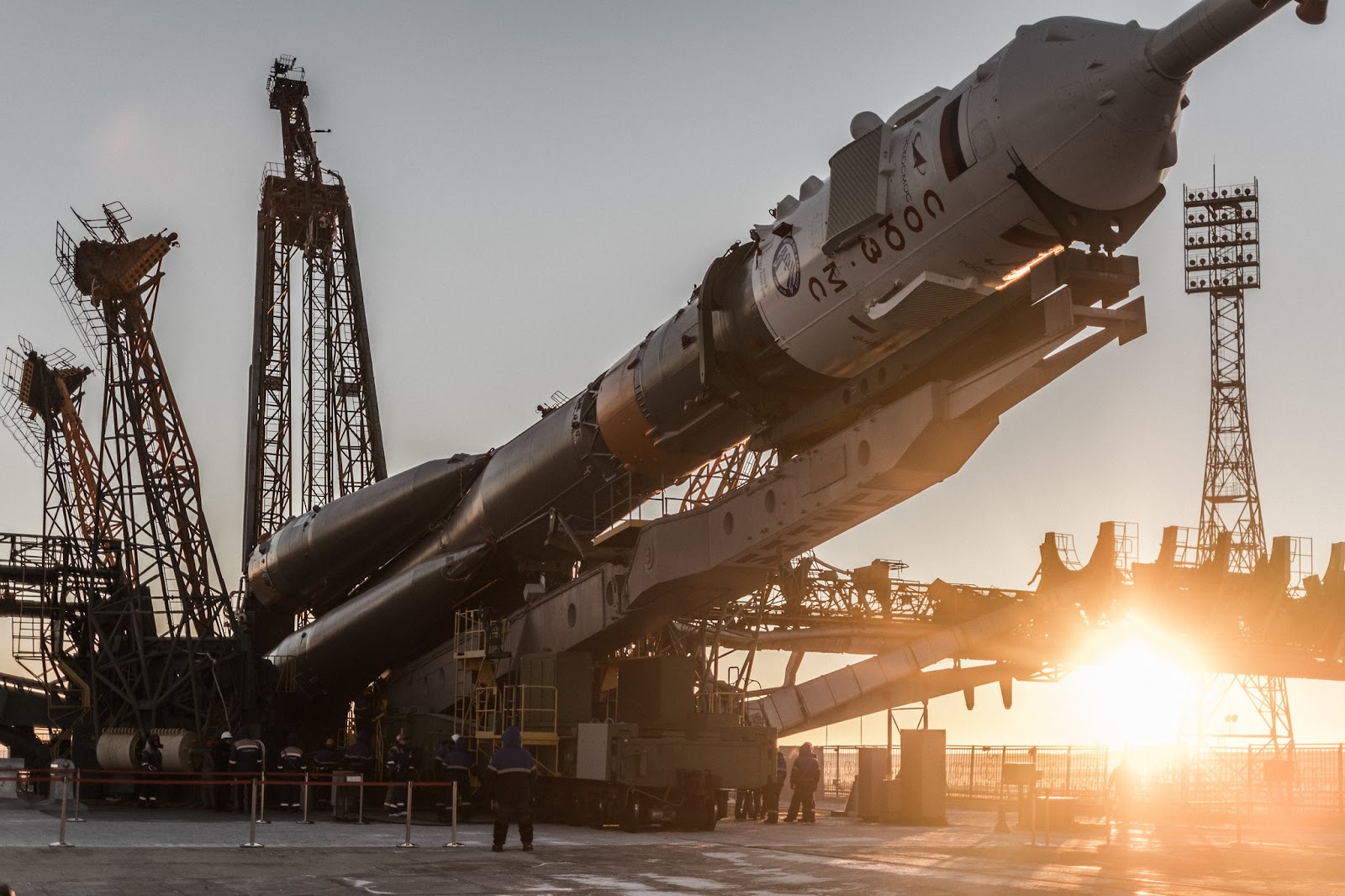
Baikonur Cosmodrome (Republic of Kazakhstan). TheNewYorkTimes
What are cosmodromes?
A cosmodrome is a facility designed for launch of vehicles space-related, both manned and unmanned. These facilities are crucial for the launch of rockets, satellites, and interplanetary missions. Cosmodromes include various facilities such as launch pads, mission control centers, assembly and maintenance workshops, and areas for astronaut training. Their strategic location, often near the equator or in areas with low population density, streamlines launch operations and reduces associated risks.
Achievements and Discoveries Thanks to the Cosmodromes
Since its inception, The spaceports have witnessed some of the most important moments in the history of space exploration. Thanks to these facilities, humanity has achieved significant milestones:
-
Launch of Sputnik 1: From the Baikonur Cosmodrome in 1957, marking the beginning of the space age.
- First Man in Space: Yuri Gagarin also launched from Baikonur in 1961, cementing the Soviet Union's dominance in space at that time.
- Apollo Missions: Launched from the John F. Kennedy Space Center, they made it possible for humans to reach the Moon in 1969.
- Deployment of GPS and telecommunications satellites: Essential for modern navigation and global communications.
-
Interplanetary Exploration: Missions such as those of the Voyager probes and the Mars rovers, which have greatly expanded our understanding of the solar system.
Notable Examples of Cosmodromes
Around the world, several spaceports stand out for their history, capacity, and contributions to space exploration:
1. Baikonur Cosmodrome (Republic of Kazakhstan):
Opened in 1955, it is the oldest and largest in the world. It was the launch site for the first artificial satellite, Sputnik 1, in 1957, and for the first manned spaceflight by Yuri Gagarin in 1961. Baikonur remains a vital hub for the Russian space program and hosts launches of both crewed and uncrewed missions to the International Space Station (ISS).
2. Vostochny Cosmodrome (Russia):
Located in the Russian Far East, it was inaugurated in 2016 with the goal of reducing Russia's dependence on the Baikonur Cosmodrome. Vostochny is set to become a key hub for Russian space launches, both civilian and commercial. This cosmodrome embodies Russia’s ambition to maintain its relevance in global space exploration.
3. Kapustin Yar Cosmodrome (Russia):
Founded in 1946, it is one of Russia's oldest cosmodromes, initially used for missile testing and military launches. Over the years, Kapustin Yar has also played a role in the development of Russian space technology, launching satellites and scientific research vehicles.
4. Jiuquan Satellite Launch Center (China):
In operation since 1958, this center is one of China’s four main spaceports and the oldest in the country. Jiuquan has served as the launch site for many important missions, including China’s first manned missions and the lunar exploration missions of the Chang’e program. This spaceport is notable for its role in the rapid development of China’s space program.
5. John F. Kennedy Space Center (United States):
Located in Florida, it is probably the most famous spaceport in the world. Opened in 1962, it served as the launch site for the Apollo missions that took humans to the Moon. Today, the Kennedy Space Center remains a mainstay for NASA, managing commercial and scientific rocket launches, as well as crewed and uncrewed missions to the ISS and beyond.
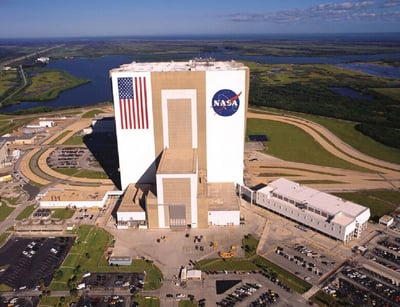
John F. Kennedy Space Center (United States). Seusingressos
Spaceports have been and will continue to be essential to space exploration and discovery, enabling humanity to dream and achieve goals beyond our planet. For those interested in deepening their knowledge in this fascinating field and others related to engineering and technology, Structuralia It offers a wide range of online courses and master's programs taught by the industry's top professionals.