The critical minerals are the blind spot of the energy transition. While public discourse focuses on solar panels, batteries, and wind turbines, The supply chain that makes these technologies possible depends on a handful of materials whose extraction and processing are concentrated in just a few countries. European companies that do not actively manage this risk will face bottlenecks that no energy policy can resolve in the short term.
What Are Critical Minerals, and Why Are They Essential for the Energy Transition?
The European Union defines it as critical raw materials minerals that are of significant economic importance and pose a high supply risk. The current list includes lithium, cobalt, nickel, manganese, graphite, rare earth elements, copper, and other materials essential for batteries, permanent magnets, photovoltaic panels, and wind turbines.
Without lithium, there are no batteries. Without rare earth elements, there are no electric motors or wind turbines. The energy transition that Europe has planned requires a volume of these materials that is several times greater than current global production, in a market where China controls 60–80% of the refining of most of them.
The Supply Chain for Critical Minerals: From Mine to Industry
Extraction and Mining
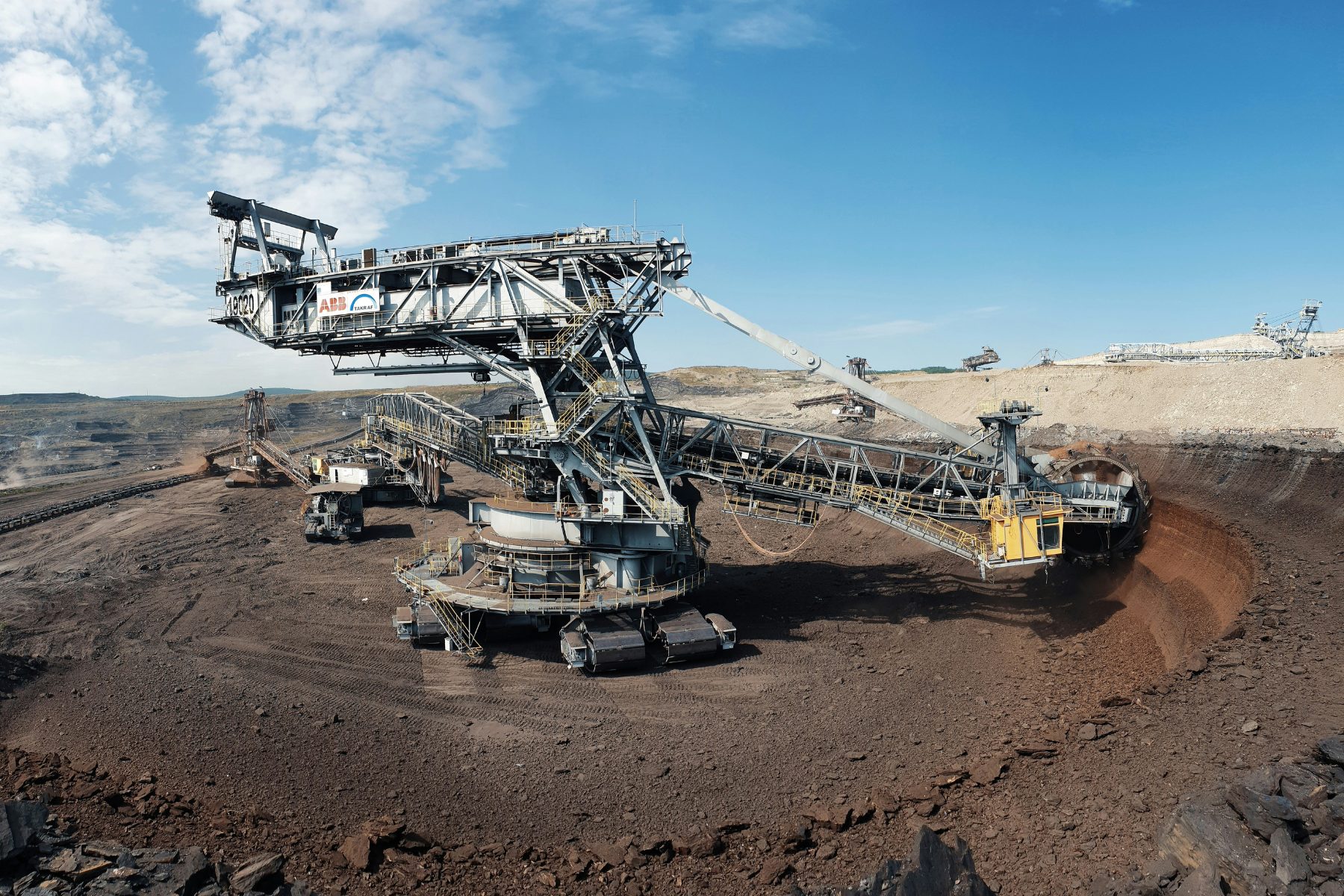
The mining of critical minerals It is the first link in the chain and the one with the greatest geographical concentration. Lithium is mined primarily in the South American triangle (Chile, Argentina, Bolivia) and Australia. Cobalt is mined in the Democratic Republic of the Congo. Rare earth elements are mined in China. Europe mines less than 3% of the critical minerals it consumes, which creates a structural dependency that the Critical Raw Materials Act seeks to reduce.
Refining and Processing
Refining is the area where China's dependence is most critical. Although Europe imports raw minerals from other countries, the processing that turns them into materials suitable for industrial use takes place mainly in China. Developing refining capacity in Europe is one of the CRMA's central objectives, but it requires years of investment and technical expertise that is in very short supply.
Manufacturing of components (batteries, turbines, panels)
The manufacture of battery cells, permanent magnets, and photovoltaic cells is the area where Europe has the strongest presence, but it still lags behind. The battery gigafactories under construction in Germany, France, Spain, and Poland are the industrial response, but Its implementation requires process engineers, electrochemistry specialists, and manufacturing technicians, whom the market does not have in sufficient numbers.
Recycling and the Circular Economy of Materials
The recycling of lithium batteries and the recovery of rare earth elements from end-of-life equipment is the fourth link in the chain and the one that will see the most growth in the coming years. Urban mining can meet a growing portion of the demand for critical materials if it develops the necessary infrastructure and talent, reducing dependence on primary extraction.
Key Supply Risks for European Companies
The Europe's dependence on critical minerals There are three dimensions of risk. Geographical concentration: a conflict, a political decision, or a natural disaster in producing countries can cut off supply overnight. Concentration in refining: even with diversified extraction, China remains the bottleneck in processing. And price volatility: markets for critical materials are small and highly volatile, making long-term planning difficult for industrial companies.
Regulatory Framework: The European Critical Raw Materials Act (CRMA)
The Critical Raw Materials Act sets binding targets for 2030: to recover at least 10% of the critical materials consumed in Europe, to process at least 40% domestically, and to recycle at least 15%. It is Europe's most ambitious regulatory response to its dependence on strategic materials and has direct implications for mining, processing, and industrial companies operating on the continent.
The European Critical Raw Materials Act It also streamlines the permitting process for strategic projects and establishes specific financing mechanisms, which opens up concrete opportunities for engineering and construction companies seeking to establish a foothold in this sector.
Technical Profiles in Demand in the Critical Minerals Supply Chain
Mining Engineers and Applied Geologists
The Professionals specializing in critical minerals are among the most in-demand profiles in Europe. The combination of applied geology, mining process engineering, and knowledge of strategic materials markets is rare and highly sought after by developers of new mining projects in Europe.
Specialists in metallurgy and processing
Specialists in hydrometallurgy and pyrometallurgy applied to the refining of critical minerals are the scarcest professionals in the entire supply chain. The processing of lithium, cobalt, or rare earth elements requires very specific skills which are produced in virtually no other part of Europe and are now concentrated in China and Australia.
Experts in the recycling of batteries and critical materials
The battery recycling and the recovery of critical materials is an emerging specialty with extremely high projected demand. Engineers capable of designing and operating lithium-ion battery recycling processes on an industrial scale are in high demand in the market, but there are not yet enough of them.
Supply Chain Risk Analysts
The management of the supply chain risk Working with critical materials requires professionals who combine engineering with geopolitical analysis, long-term contract management, and price scenario modeling. This hybrid skill set is rare and highly valued by major European industrial companies.
Business Strategies to Mitigate Supply Risk
The supplier diversification is the first line of defense: not relying on a single country or supplier for any critical materials. The urban mining and recycling reduce dependence on primary extraction. Long-term supply contracts with producers in allied countries provide predictability. And the substitution of critical materials with alternatives that are less geographically concentrated is an active area of R&D in batteries and magnets.
How to Prepare Technical Teams for a Shortage of Critical Minerals
The Circular Economy Training for Businesses applied to critical materials and the mining training program Two priority areas of action are specific to technical professionals who will be working in this sector. Technical teams need to understand not only process engineering but also the geopolitics of materials and the regulatory frameworks that govern access to resources.
Structuralia has incorporated strategic materials management and the circular economy into its industrial engineering and energy programs, with faculty members drawn from companies currently active in the materials supply chain for the energy transition.
Trends: Battery Recycling, Urban Mining, and Alternative Materials
The Trends in Critical Minerals, 2026–2030 are moving in three directions simultaneously. First-generation battery recycling will reach commercial scale before 2030, reducing the pressure on primary mining. Urban mining of rare earths from electronic devices and electric motors will gain momentum. And the development of sodium, iron-air, and other alternative-chemistry batteries will gradually reduce dependence on lithium and cobalt.
Companies that position their technical teams within this value chain now will gain access to one of the most strategic markets of the coming decade. The energy transition cannot happen without critical minerals, and critical minerals cannot be managed without the right talent. Has your company identified its point of exposure in this chain?