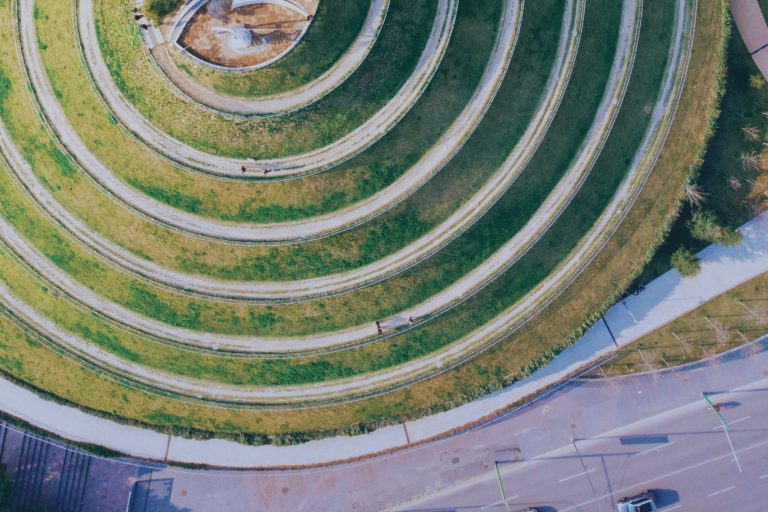
The urban heat island effect is becoming a problem in our cities, and the green roofs may be the solution.
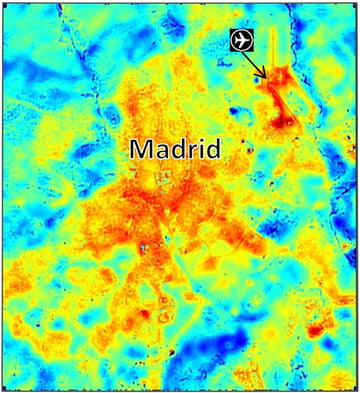
heat islands in urban areas. Heat islands are a common phenomenon in cities, where urban surfaces, such as asphalt and concrete, absorb and retain heat, as local temperatures rise. This localized rise in temperature not only makes cities less livable, but also contributes to the increase in energy consumption for air conditioning, which in turn exacerbates climate change and leads to the proliferation of soil desertification.
What are green roofs?
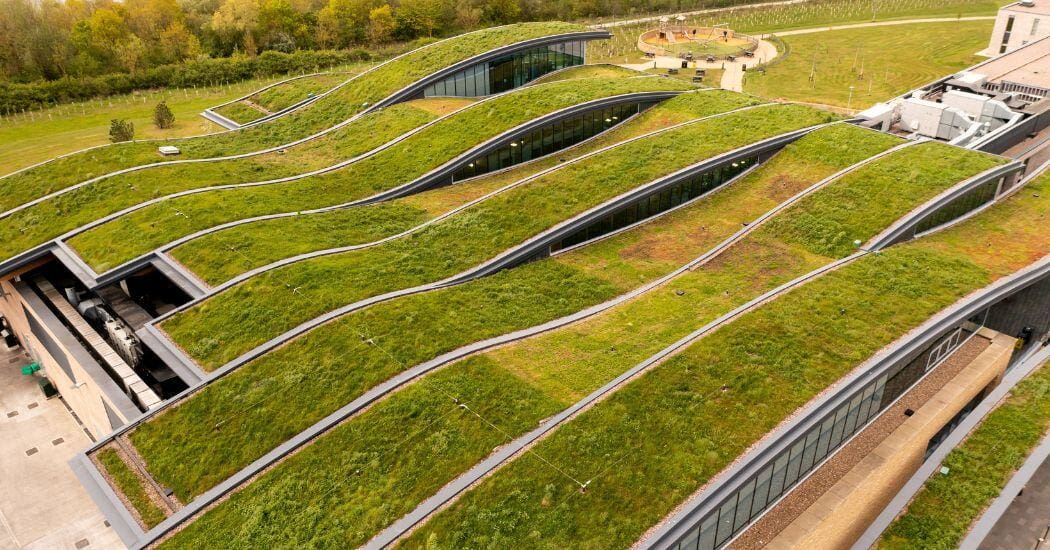
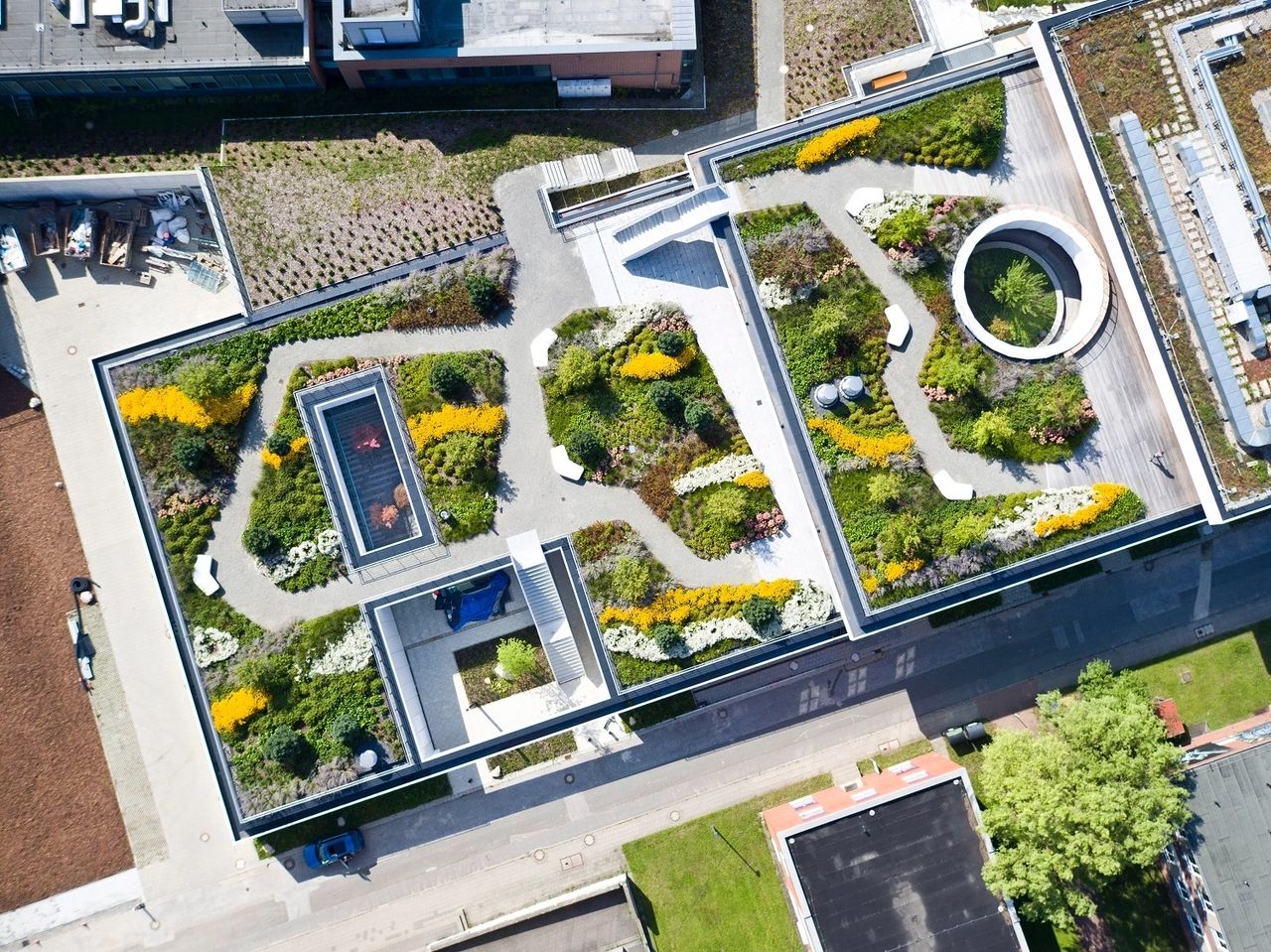
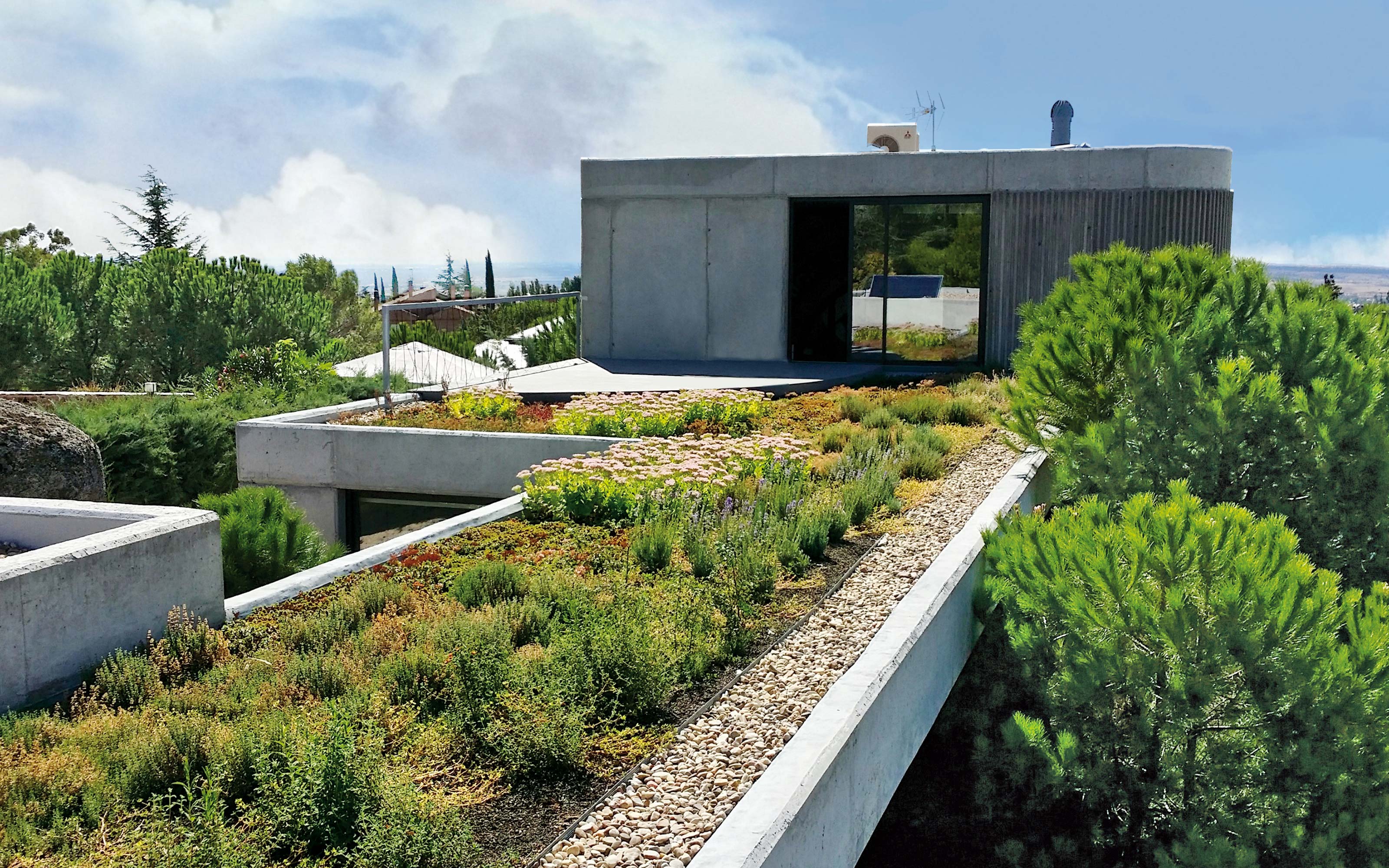
Green roofs, also known as rooftop gardens, are construction systems that involve installing a layer of vegetation on a building's roof. These can range from From simple patches of grass to more elaborate gardens with various types of plants, shrubs, and even trees. In its simplest form, a green roof consists of several layers: one waterproofing membrane that protects the structure from moisture, a drainage system to control excess water, a growing medium for plants, and finally, the vegetation itself. This green system not only enhances the building's appearance by transforming an empty space into a green area, but also provides numerous environmental and functional benefits for the building and its surroundings.
How to Design a Green Roof
To effectively design a green roof for a building, it is necessary to consider several key aspects from the very beginning of the design process. First, one must conduct a detailed technical analysis of the site to assess factors such as structural load, exposure to sunlight and wind, and access to water. This assessment will help determine whether installing a green roof is appropriate and design a system that is tailored to the specific conditions of the roof. Next, one must Select vegetation and soil that are suitable for the local climate and the conditions of the deck. Not to mention integrating drainage systems effective ways to manage excess water and prevent leaks. In addition, maintenance considerations must be taken into account, such as access for upkeep and the installation of automatic irrigation systems if necessary. In summary, the design of a green roof requires a comprehensive approach that combines technical, environmental, and aesthetic considerations to ensure its functionality and long-term durability.
Benefits of Green Roofs
1. Reducing the urban heat island effect in our cities
Green roofs play a key role in the reduction of the urban heat island effect by providing a natural solution for lowering the temperature of the built environment. By covering impervious surfaces, such as roofs and pavements, with vegetation, It drastically reduces heat absorption and promotes water evaporation through plant transpiration. This process, known as evapotranspiration, helps cool the surrounding air and lower local temperatures. On the other hand, green roofs act as thermal insulation, reducing heat transfer into buildings and decreasing the need for air conditioning systems. Taken together, these effects help reduce the urban heat island effect and improve air quality in our cities, creating healthier and more natural environments for their residents.
2. Improving comfort conditions inside the building
In addition to what we've told you earlier, green roofs offer significant advantages in terms of indoor comfort and well-being for building occupants. By reducing heat transfer through the roof, vegetation helps maintain a more stable temperature inside living spaces, creating a cooler interior in the summer and a warmer one in the winter. This improvement in thermal control not only increases the comfort of residents and workers, but it can also lower the use of heating and cooling systems, which in turn translates into greater energy savings and lower operating costs for building owners and managers.
On the other hand, green roofs help reduce outside noise, can remove toxins from the air and provide a greener, more pleasant environment for those who live and work inside the building. In short, the integration of green roofs into architectural projects Not only is it more sustainable and environmentally friendly, but it also improves people's quality of life, and promotes a healthier and more livable built environment.
Ultimately, as professionals in the construction and architecture sectors, we have the responsibility and the privilege to lead the way toward a more sustainable and resilient future. The role of architects and engineers goes beyond simply creating physical structures; we are stewards of the environment and agents of change in the fight against climate change. It is essential that we take this responsibility seriously and with commitment, by adopting construction and architectural practices that minimize our environmental impact and promote the regeneration of our urban ecosystems.
Continuing education is key to staying up to date on the latest trends, technologies, and best practices in our field. In this regard, Structuralia offers a wide range of courses and master's programs designed specifically for architects and engineers who wish to deepen their knowledge of sustainability and energy efficiency. In particular, the Master's Degree in Energy Efficiency and Sustainability in Building Construction It provides an invaluable opportunity to acquire the skills and tools needed to design and construct more efficient and environmentally friendly buildings.