What's going on with the soil desertification What's happening on the planet, and what can we do about it?
Soil Desertification: How Serious Is the Problem?
Soil desertification is one of the environmental problems most important challenges we face today. In recent years, we have witnessed a increase in the frequency and intensity of droughts in various parts of the world, which has led to soil degradation and the desertification of vast areas of land; therefore, it is worth raising this issue, which is so important to our community of engineers and architects.
Desertification It not only has a negative impact on the environment, but also on the economy and the quality of life of the people who depend on the land for their livelihood. The loss of the soil's ability to support plant and animal life can lead to the crop losses and a decline in food production, which can have serious consequences for local communities and the world at large.
Soil Desertification and the Root of the Problem
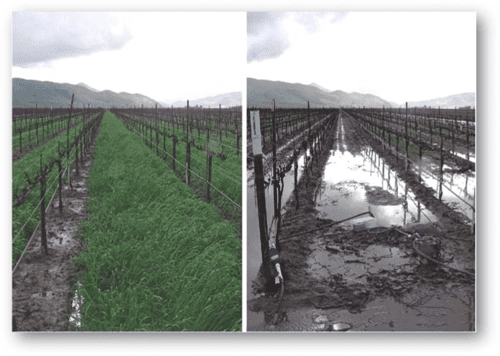
Desertification is the process by which fertile soil becomes a arid and barren desert, due to soil degradation and declining water quality. This process is caused primarily by the overexploitation of natural resources, such as deforestation, overgrazing, intensive agriculture, and unsustainable water use. In addition, the effects of the climate change, such as rising temperatures and declining precipitation, can also exacerbate desertification and accelerate soil degradation. The combination of these factors can have devastating consequences for the environment and the economies of the affected regions. Therefore, Urgent action is needed to combat desertification and preserve the health of our soils.
Impact of Soil Desertification
Land desertification has a significant impact on society and the economy. According to the Food and Agriculture Organization of the United Nations (FAO), desertification affects more than 2 billion people worldwide, and 1.5 billion people depend directly on degraded land for their livelihoods. Furthermore, desertification and soil degradation have an estimated annual economic cost of 42 billion dollars, according to the United Nations Environment Programme (UNEP).
The Loss of Agricultural Productivity It is one of the most serious consequences of desertification. According to the FAO, The productivity of degraded land is 40% lower than that of healthy land, which reduces food production and increases the risk of famines and food crises. In addition, desertification can lead to the biodiversity loss and species extinction animals and plants.
It is important to note that the regions most affected by desertification are those with the highest levels of poverty and social vulnerability. According to the United Nations Convention to Combat Desertification (UNCCD), 86% of the rural population in developing countries lives in areas where desertification is a serious or very serious problem. This highlights the urgent need to take action to combat soil desertification and protect the health of our ecosystems.
The Future of the Planet
Despite the seriousness of the situation, there are reasons to be optimistic in the fight against soil desertification. Advances in research and technology are enabling the development of new sustainable farming techniques, the rehabilitation of degraded land, and water management more efficiently.
According to the United Nations Convention to Combat Desertification (UNCCD), it is expected that A total of 50 million hectares of degraded land will be rehabilitated by 2030, through the implementation of sustainable soil and water management practices. In addition, the adoption of sustainable agricultural and forestry practices and the use of technologies such as precision agriculture and smart irrigation can increase agricultural productivity and improve soil quality.
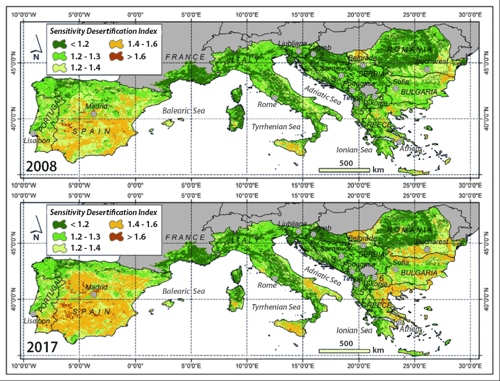
In conclusion, we must emphasize that the fight against soil desertification requires the cooperation of governments, businesses, and society at large. The United Nations Convention to Combat Desertification (UNCCD) urges countries to take measures to protect and restore degraded land, and to promote the participation of local communities in the sustainable management of soil and water. Only through collective commitment and decisive action We will be able to preserve the health of our soils and ensure a sustainable future for everyone.