We explore the 7 Disadvantages of the Industry, ranging from environmental pollution to technological obsolescence.
Disadvantages of Industry: What Risks Are Associated with Industrial Development?
Industrial development is the process of transforming an economy based on agriculture and trade into one based on the production of goods and services through the use of machinery, energy, and technology. It has also given rise to a number of problems and challenges that affect the environment, society, and politics. In this article, we will explain the seven disadvantages of the industry, shedding light on some of the obstacles to industrial development.
1. Environmental pollution, one of the main drawbacks of the industry
Industry consumes large amounts of natural resources, such as water, minerals, fossil fuels, and raw materials, and generates waste and emissions that pollute the air, water, and soil.
An example of environmental pollution is the smog. It is a form of air pollution caused by a combination of particles, gases, and organic compounds, exacerbated by sunlight, heat, humidity, and a lack of wind. Addressing this problem is essential, and Structuralia offers a Master's Degree in Environmental Engineering and air pollution prevention, which allows you to gain the necessary knowledge.
2. Depletion of natural resources
The industry consumes large amounts of natural resources, such as minerals, fossil fuels, and water, which are essential for the production of goods and services. This excessive consumption can lead to the depletion of these valuable resources, which are limited, nonrenewable, and difficult to replace.
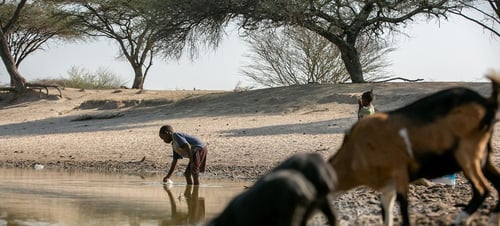 Source global.unitednations.entermediadb
3. Social Inequality
Another one of the disadvantages of the industry is social inequality. It creates a divide between developed and developing countries, between industrialized and rural regions, between social classes, between genders, and between ethnic groups.
Industry promotes the concentration of wealth, power, and technology in the hands of a few, while excluding and exploiting the majority.
4. Technological obsolescence: another drawback of the industry
This rapid pace of change means that products, processes, equipment, and systems become obsolete in relatively short periods of time. Technological obsolescence poses challenges that affect both the competitiveness of companies and the environment. Structuralia offers a Master's degrees in training programs in Industry, Energy, and the Environment that can help address this challenge.
5. Complex and more expensive staff
You need hire workers with a high level of specialization, who are not always easy to find and who also demand higher pay. This makes labor costs higher than in other sectors. Structuralia offers educational opportunities to address this challenge, helping organizations develop and retain internal talent.
6. Occupational Hazards
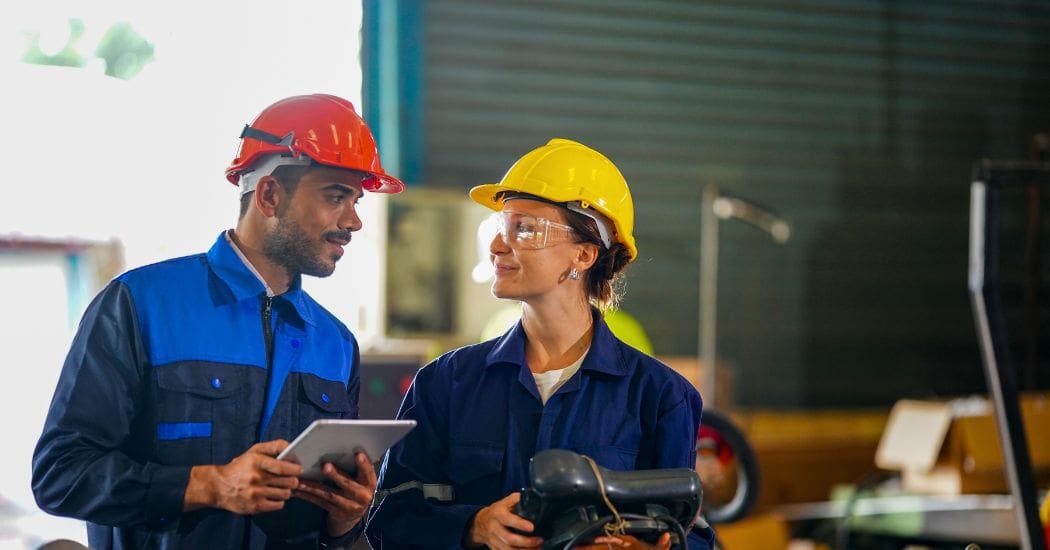
The occupational hazards These risks are a constant concern in the business world. Not only can they seriously affect workers’ health and safety, but they can also have a significant impact on a company’s productivity and reputation. Effective management of these risks is essential to creating a safe work environment and complying with applicable legal regulations.
7. Energy Dependence
Modern industry is a driving force behind the economic growth and technological progress. However, this development often results in high energy demand, which raises significant concerns regarding energy dependence.
Industrial production and the operation of machinery require a large amount of energy to function efficiently. Historically, this energy has been supplied primarily by non-renewable sources, such as oil, coal, and natural gas. Although these energy sources have been essential to driving industrialization, they also present a number of significant challenges.
We have explored seven of the disadvantages of the industry modern society, ranging from environmental pollution to energy dependence. These challenges are key to understanding the current industrial landscape and taking steps to mitigate their negative impact. Through training and education programs such as those offered by Structuralia, professionals can acquire the skills and knowledge needed to address these issues and contribute to the industry's sustainable development.