When we talk about land-use planning or buying land, the terms urban y developable appear all the time. However, many people confuse the two concepts, which can lead to poor decisions in construction, investment, or development projects.
In this article, you'll learn in a clear way What is the difference between "urban" and "developable"?, how they are classified under the regulations, what implications they have for building construction, and what advantages or limitations each one offers.
But first, let's take an in-depth look at these two concepts:
What does “urban land” mean?
The urban land, also known as a salary buildable, is one that already has basic services and is urbanized. According to the Royal Decree 7/2015, land is considered urban land if it:
- They are included in the municipality's urban planning schemes.
- They have basic urban infrastructure services: road access, water supply, sewer service, and electricity.
- Urban land may also include land located in areas where at least half of the land area has been developed.
In other words, these are plots of land within the city or urban center that are already zoned for construction without the need for new essential infrastructure.
These, in turn, can be divided into:
- Developed urban land: These lots are ready for immediate development, without the need for major infrastructure projects.
- Unconsolidated urban soil: Although it is classified as urban, it does not yet have a complete infrastructure. Significant development work must be carried out before construction can begin, which entails higher costs and a longer process.
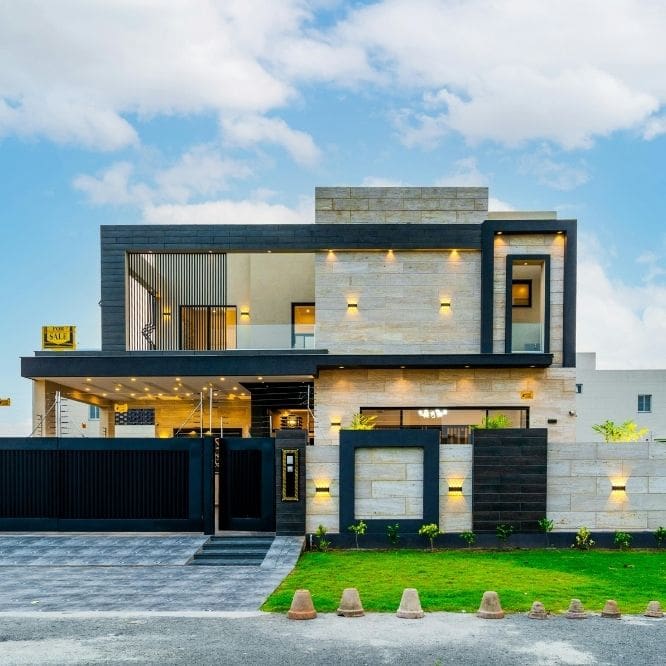
Examples of urban land
- Lots in established neighborhoods within a city.
- Plots available in developed industrial parks.
- Lots located within a town center with all utilities connected.
What does “developable land” mean?
The land zoned for development is land that, although not yet developed, is classified as suitable for future development according to the municipal urban plan. In other words, these are plots of land that may currently lack utilities but are designated to become areas of urban expansion.
This type of approach is directly related to how cities manage their growth and ensure mobility and services. If you’d like to learn more about this topic, we recommend reading our article on urban resources and mobility in smart cities.
Characteristics of Land Suitable for Development
- It lacks a comprehensive urban infrastructure.
- It requires a land development process prior to construction.
- Its development is contingent upon the approval of zoning plans or special plans.
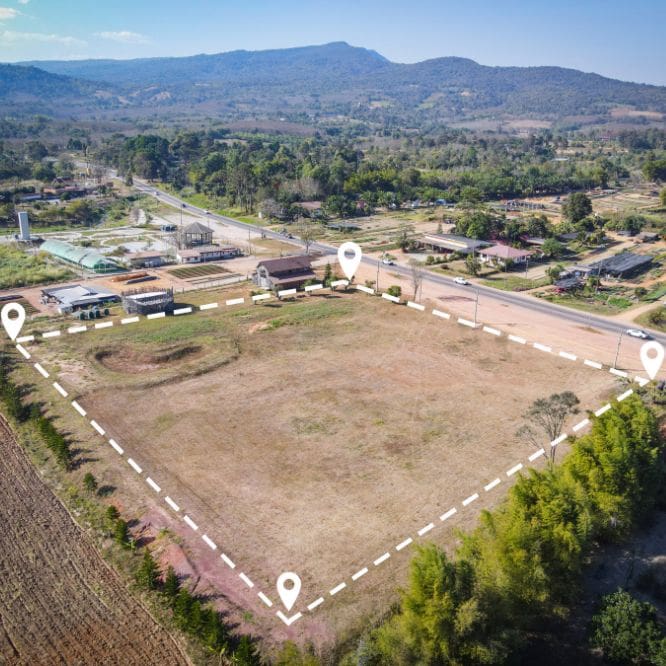
Examples of land zoned for development
- Areas on the outskirts of a city included in the expansion plan.
- Agricultural land rezoned as sectorized developable land.
- Lots in areas designated for future residential or industrial developments.
Difference between "urban" and "developable"
Now that we're familiar with both concepts, it's time to examine the main differences between these two types of soil. The main difference between them lies in their eCurrent status and in the opportunities for immediate construction.
| Feature | Urban Land | Land Zoned for Development |
|---|---|---|
| Basic Infrastructure | Yes (water, electricity, sanitation, access) | No, they must be built |
| Possibility of building | Immediate | Requires prior development |
| Location | Established Urban Centers | Planned Areas of Expansion |
| Preliminary Steps | Minors: It depends on the license | Elderly: Requires Planning and Urban Development |
However, to fully understand the difference between these two areas, it is important to mention a third category: the land not zoned for development. This land is protected for its scenic, agricultural, or ecological value, and construction on it is prohibited or strictly restricted.
Legal Implications
The legal and investment implications of these two types of land are radically different, and they define the investor profile. A piece of land urban offers security and speed, while a land zoned for development It involves high risk in exchange for high returns.
When it comes to legal implications, the urban land, are ready for the immediate construction and they have access to basic infrastructure (streets, sidewalks, utilities, etc.). The lot must have the status of solar, which requires that minimum services be available and that the alignments and grades established by the General Urban Development Plan (PGOU) in each municipality in Spain. For unconsolidated urban land, there are significant obligations, such as the transfer of part of the land to the government at no cost (for public facilities, roads, etc.) and the payment of development costs.
In the case of the land suitable for development, are subject to an administrative and legal process for their redevelopment, which includes the approval of urban planning drawings, obtaining licenses, processing permits, and developing basic infrastructure. They may also require the transfer of land for public facilities and the assumption of urban planning obligations, in addition to the payment of fees and taxes. This entire process must comply with the local urban planning and zoning framework.
In both cases, planning must take into account essential services such as drainage, water, and energy. To understand current solutions to these challenges, you may be interested in learning more about sustainable urban drainage systems (SUDS).
Advantages and Disadvantages of Each Type of Flooring
Urban land
✅ Advantages:
- Ready to build.
- Guaranteed services.
- Lower legal and administrative risk.
❌ Disadvantages:
- Higher cost per square meter.
- Limited availability in central areas.
Land Zoned for Development
✅ Advantages:
- Lowest price.
- Long-term appreciation potential.
❌ Disadvantages:
- Increased risk (changes in planning).
- The need for investment in infrastructure.
- Delays in the project's implementation.
Conclusion: How to Choose the Right Plot of Land
The difference between urban and developable land It's not just a matter of terminology: it implies different timeframes, costs, and risks. A thorough understanding of both concepts is essential for making informed decisions in construction, urban planning, and real estate investment.
If you want to take it a step further and learn how BIM methodology transforms the planning and execution of urban planning and building projects, we at STRUCTURALIA recommend the Advanced BIM Master's Degree in the Design and Construction of Linear Projects. Specialized training that bridges the gap between theory and real-world practice.