We are living in a time of major technological advancements that are impacting every sector of the economy. Unsurprisingly, digitization has also reached transportation infrastructure, including roads. Let’s take a look at the most notable aspects below.
From the initial design phase through to the operation and maintenance phase, software and cutting-edge construction methodologies (BIM) that help reduce costs, lead times, and risks, thereby improving the quality of the project. However, despite all this technological advancement, human involvement remains essential throughout a road’s entire life cycle—from design to rehabilitation or dismantling—in order to monitor and ensure the proper execution of all phases. The role of the engineer is (and will continue to be) key in this regard.
Author: Pashminu (Pixabay)
It is clear that the major technological advances in the road sector are taking place in the area of electric and environmentally friendly vehicles. However, There are also some developments taking place in road infrastructure interesting developments that will shape the future of roads. Thus, the first electric highway It has been in operation in Sweden for some time now, with trucks receiving electrical power via a pantograph, just as they would on a railroad. It has been so successful that the German company Siemens has announced the construction of 10 kilometers of this type of road in Germany
Another major innovation relates to safety in urban areas. We have recently received news about the implementation of Smart systems for pedestrian crossings in London, based on the installation of LED lights on the road surface.
We also saw how, last year in France, they opened a section of highway with a special pavement made from small photovoltaic panels, or how some tech companies intend to use the Big Data and Artificial Intelligence for managing incidents, redirecting traffic, or personalizing ads of the commercial billboards near the tracks—quite a challenge.
Without a doubt, the roads of the future will be equipped with a certain degree of intelligence, but we should view this as a means to an end rather than an intrinsic characteristic of the infrastructure—a trait that is, in fact, unique to humans. Thus, when we talk about Smart Road We'll do this using a set of systems that use their “intelligence” to improve road safety and help protect the environment through more efficient fuel consumption.
This last aspect is what electric cars are currently working on, with the ultimate goal of achieving the independence from fossil fuels. The roads of the future, therefore, will be responsible for improving safety conditions for all road users.
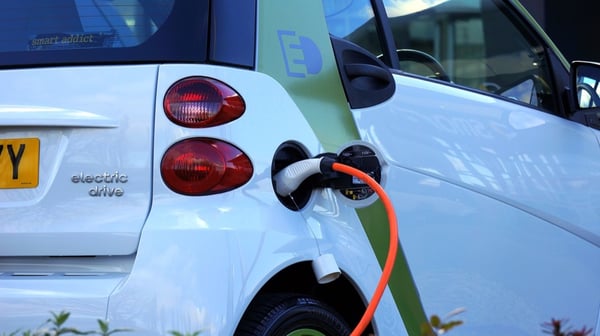
Author: MikesPhotos (Pixabay)
With regard to the connection between vehicles and the roads of the future, it is worth noting that there are already some examples of cars with internet connectivity, which generate a massive amount of data that must be processed and handled with care. Data analysis will yield statistics on how drivers use the road network, which will be useful for further improving road safety in the area. This, in turn, benefits check real-time traffic conditions, report issues immediately or for prevent traffic accidents through automatic vehicle braking.
Filling our streets with sensors, cameras, and other technological devices will only serve to justify this digital transformation which will undoubtedly create a favorable environment for the Commercial Success of Autonomous Vehicles. The latter have already been thoroughly tested and won't be long before they start appearing on the streets of our cities.
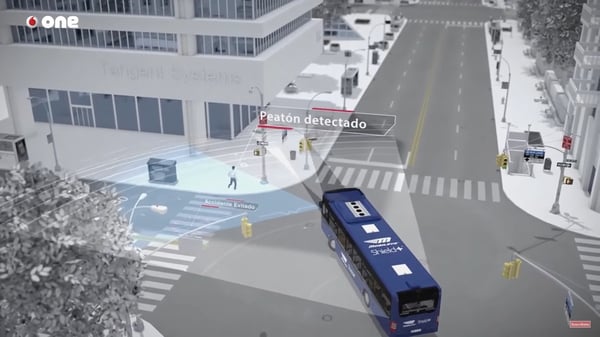
Screenshot from the video «A date has been set for the fully autonomous car: 2020«, from TheFutureIsOne.
There are studies that claim that The human factor is a factor in 90% of traffic accidents. Autonomous vehicles promise to significantly reduce this figure, since the driver is barely involved in driving—a fact that generates some mistrust among users: 51,85% of Spaniards would not get into a self-driving car.
Despite this, autonomous cars will mark a turning point in the development of Smart Roads, given their high level of interaction with road infrastructure. Some manufacturers, such as Toyota and Nissan, have been working in this field for years, and their results are already inspiring a certain degree of confidence among the public: Among users who support autonomous vehicles, 95% says they are willing to use one right away.
We will therefore have to wait for these technologies to fully develop and see what they can offer in terms of road development. For now, the prospects are exciting.