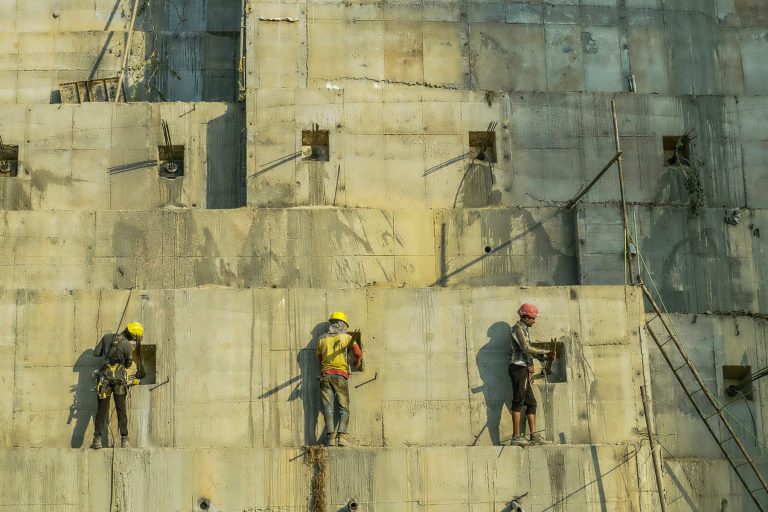
It is located in the Yellow Sea, South Korea. Thanks to its length of 33.9 kilometers, it has become the longest of its kind on the planet.
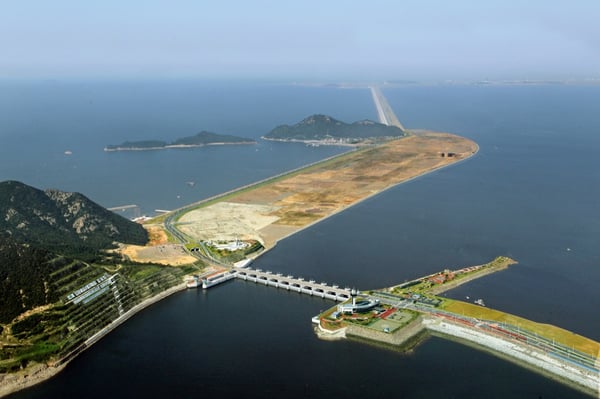
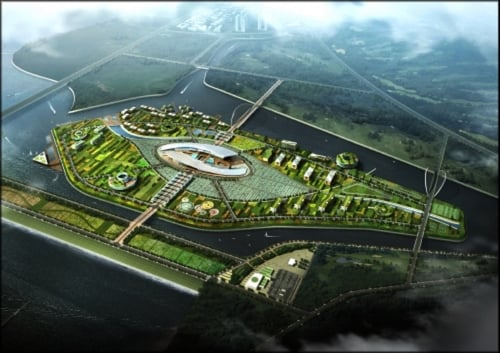
The main reason for its construction was to add another 400 square kilometers to the Korean Peninsula, allowing this space to be used as a multipurpose city: for agriculture, tourism, industry, residential use, etc.
The project involves enclosing the estuary where the Dongjin and Mangyeong Rivers flow into the sea, using the existing islands to create a series of dams. It has demonstrated South Korea’s high level of engineering expertise, as it is built in deep water with strong currents, with work at some points taking place at depths of 54 meters below sea level.
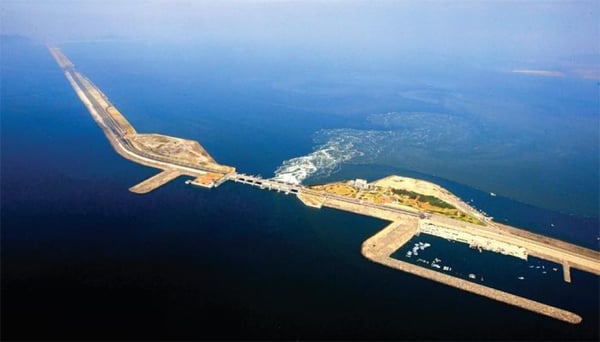
In the 1970s, the idea was first proposed to ensure rice production, which was at risk due to droughts. However, it wasn’t until 1991 that construction began. It took nearly two decades to complete this megaproject, with construction wrapping up in 2010. The dam was not included in the Guinness Book of World Records until the following year, 2011.
The following people worked on the construction project: 2.3 million workers each year, the following were used 123 million cubic meters of earth, and approximately 20,000 million dollars. Earthworks were carried out on embankments 36 meters high and with an average width of about 300 meters, reaching 535 meters in some cases.
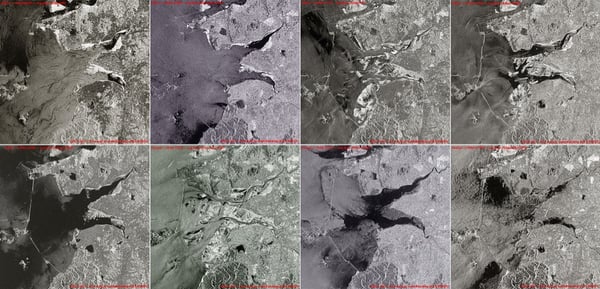
Throughout the construction process, methods with low environmental impact were used. In addition, the dam does not completely isolate the estuary from the sea; it features a system of gates 30 meters wide and 15 meters high that allow a flow rate of up to 16,000 m³/s.