The Bucaramanga Reservoir is located on the Tona River, near the city of Bucaramanga—as its name suggests—in Santander, Colombia. It covers a total of 54 hectares, and approximately 460 million dollars have been invested in this project.
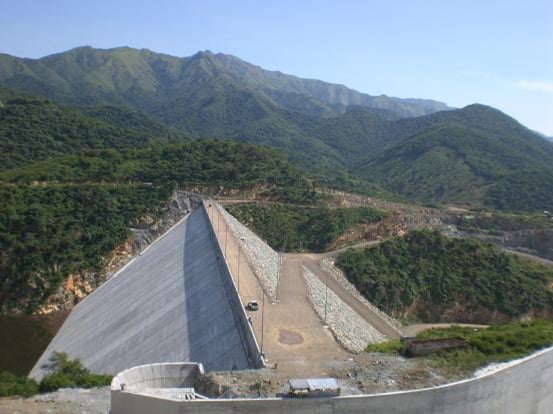
It is a rock-fill gravity dam with a concrete face that began construction in 2010 and has now been completed. It is 103 meters high and has a capacity of 17.3 million cubic meters. The flow rate will be approximately 1,000 liters per second.
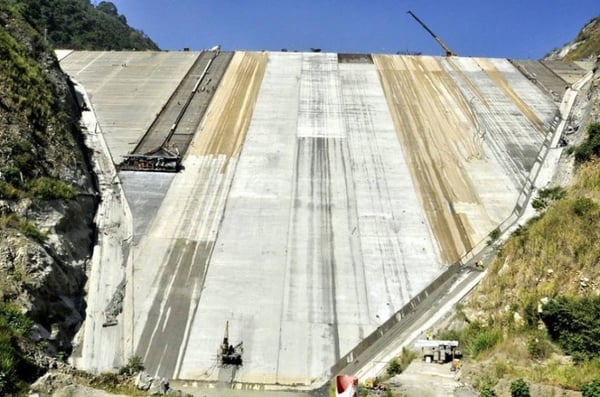
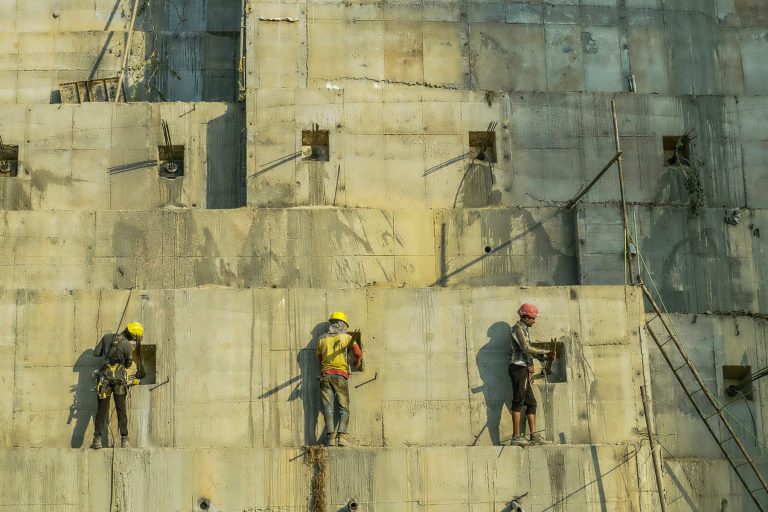
During its construction, some 1,200 Colombians worked on the dam, and it took 260,000 dump truck trips to transport the sand that came from the necessary cutting of a mountain.
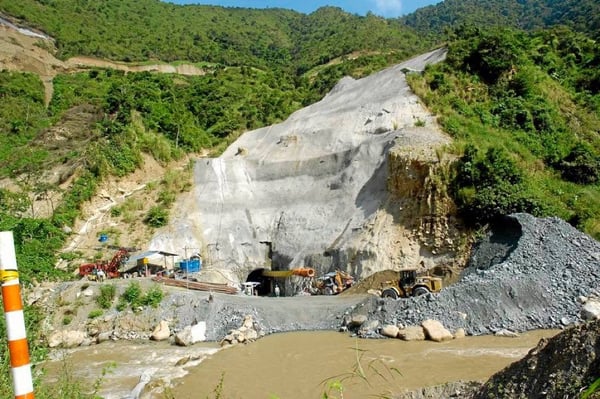
The purpose of the Bucaramanga Reservoir is to store excess water during the winter to supply drinking water to Santander, Floridablanca, and Girón during the summer. Once it becomes operational, the reservoir will be able to supply these towns throughout the three summer months without relying on any other water sources.
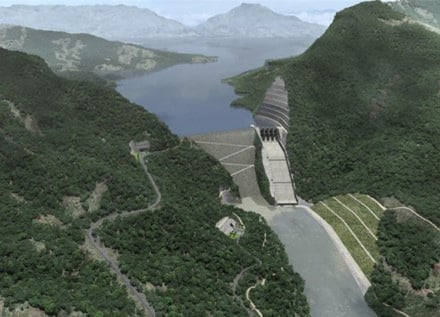
The water will be conveyed to a drinking water treatment plant located on Cerro de Los Angelinos via a 4-kilometer pipeline, with a flow rate of 1,200 liters per second.
The funds needed to carry out this major project were provided by Acueducto Metropolitano de Bucaramanga, the Colombian national government, and the Santander provincial government.