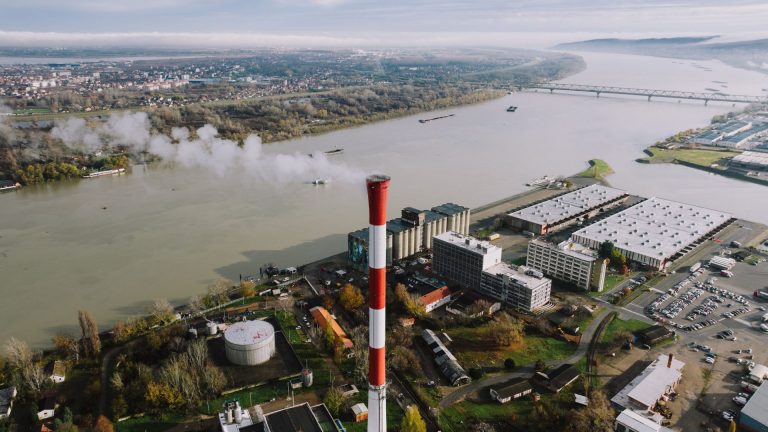
The Wikinger offshore wind farm has been developed in the Baltic Sea off the coast of Germany and will be able to generate enough energy to meet the energy needs of some 350,000 households, significantly reducing harmful gas emissions into the atmosphere.
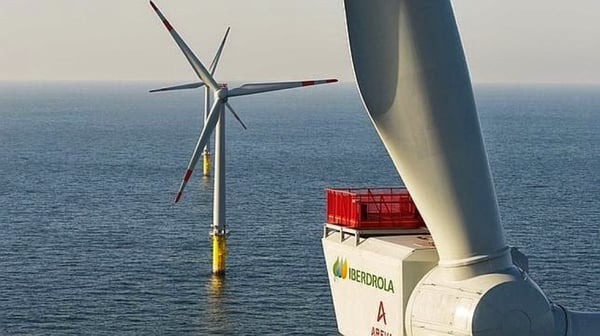
This park has a capacity of 350 MW and occupies a an area of about 34 square kilometers, where a total of 70 wind turbines with rotor diameters of 135 meters (with a 5 MW per unit), installed at depths ranging from 37 to 43 meters.
The the park's substation, weighing about 8,500 metric tons, It has already been installed and will be responsible for collecting the energy produced by the wind turbines and transmitting it to shore. It is designed and built to withstand extreme weather conditions. The cost of the substation was approximately 70 million euros.
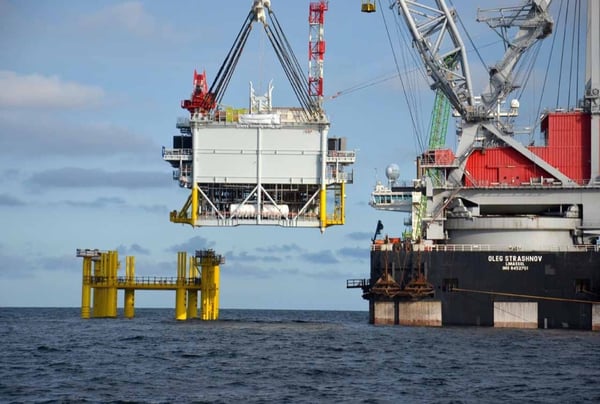
The The wind turbines will be supported by jackets, which are four-legged structures featuring four piles anchored to the seabed and, at the top, a component that connects to the wind turbine tower. Each jacket is about 60 meters tall.
{youtube}v=UQ8ZFt_zm0I{/youtube}
This park will be able to meet the energy needs of about 350,000 households. Construction of the wind farm has already begun with the installation of the first wind turbine, and it is expected to be completed this year. In addition, the construction of this offshore wind farm will prevent the emission of up to 600,000 metric tons of carbon dioxide per year.
The investment made to carry out this The offshore wind energy project has cost about 1.4 billion euros and about 1,500 workers from different parts of the world.
{youtube}v=gJK0PSRxahs{/youtube}