The sea is a renewable energy source. The ocean energy It can be generated in various ways, and a classification system has been established that varies depending on the different uses.
Renewable energy sources are being used more and more, becoming the world’s largest source of energy and already surpassing coal. Among renewable energy sources, we find those derived from the ocean, which can be classified as follows:
Ocean Energy: Tidal Energy
It harnesses the kinetic energy contained in ocean currents to generate power. These effects can be intensified when the current flows through limited narrow areas by earthen masses, thereby increasing the speed.
This type of ocean energy has great potential and also provides a constant and predictable energy flow. The locations with the greatest potential are usually found at one kilometer from the coast, where the The depth ranges from 20 to 30 meters.
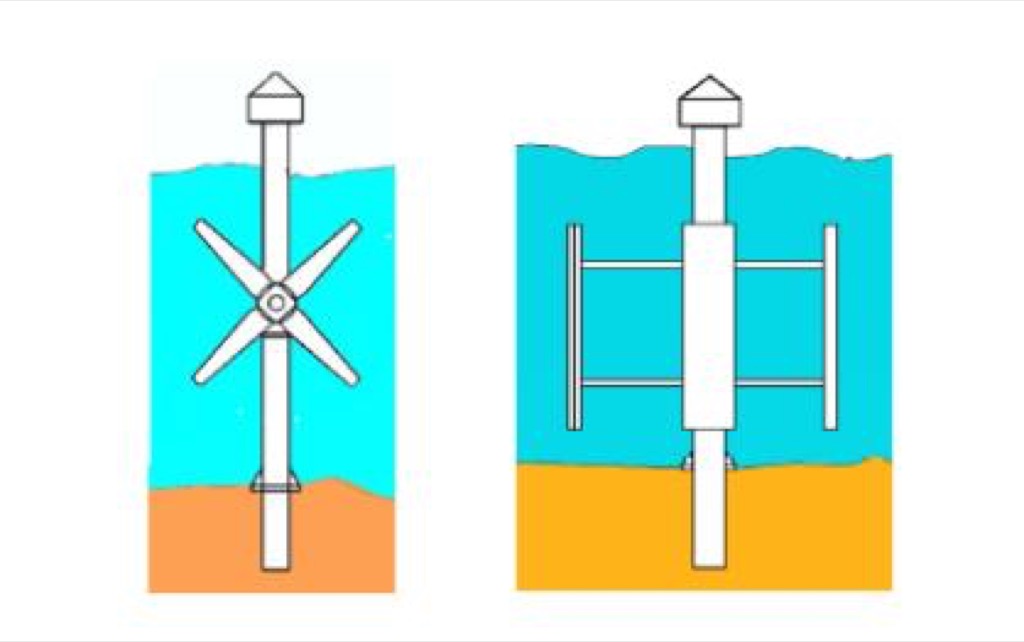
To generate this energy, the following can be used: axial rotors (horizontal shaft) or cross-flow rotors (vertical shaft), and can be placed on top of the seabed, if the water is shallow, or on a floating system with moorings, which can be applied with greater independence from depth.
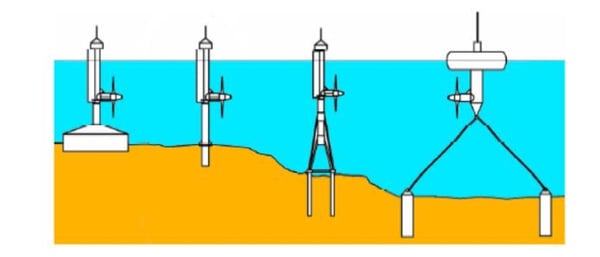
One of the main drawbacks of these energy-generation systems is the potential impact on navigation.
Salinity Gradient Energy or Osmotic Power
This type of energy is also known as blue energy, and take advantage of the difference in salt concentration between seawater and river water. The energy is obtained through a osmosis process.
Freshwater and saltwater are separated in the osmosis plant into two chambers separated by a semipermeable membrane, which results in a natural flow of freshwater toward the side containing seawater in an attempt to reduce its concentration and equalize the levels between the two, leading to an increase in the volume of saltwater and a pressure difference on either side of the membrane.
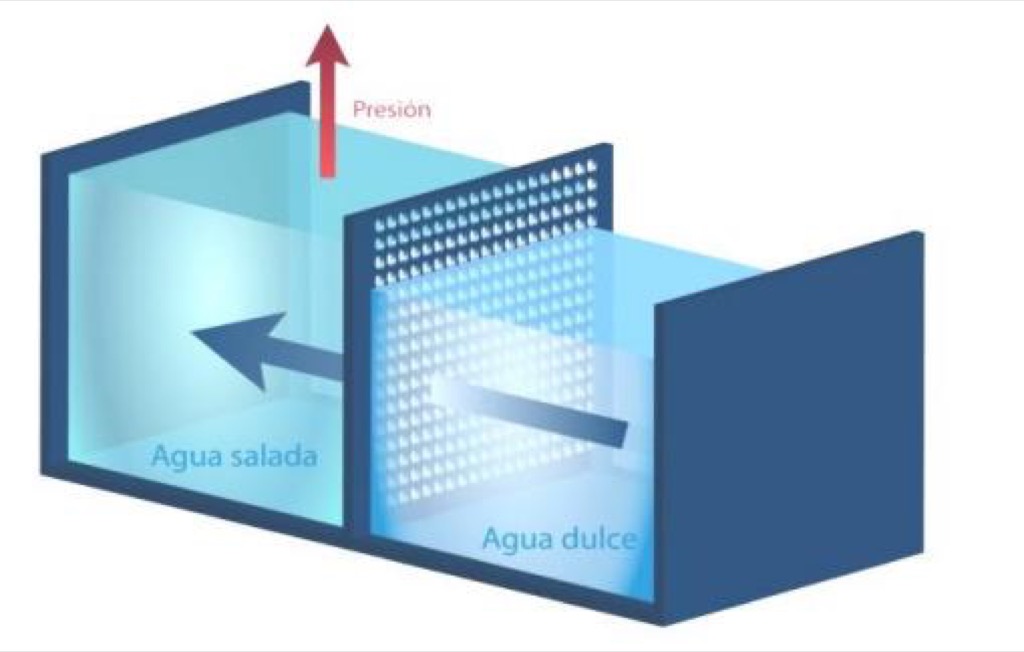
The difference in elevation (potential energy) allows seawater to be discharged, which can be used in a hydraulic turbine and generate electricity.
Tidal or ocean thermal energy
Tidal energy is energy from the ocean that harnesses the temperature differences between the sea surface and deep waters. The oceans are the largest reservoirs of solar energy, since their vast thermal inertia It helps keep temperatures more stable inside them.
The temperature difference that exists between water the surface and the depths The temperature of the sea is a result of the degree to which solar heat penetrates it; this is known as temperature gradient (As depth increases, radiation decreases; that is, temperatures drop.).
In order to generate tidal energy, the temperature difference must be at least 20 degrees.
There are tidal energy research and development facilities around the world, and it will soon be possible to improve the efficiency of these power plants as a result of high prices and the scarcity of fossil fuels.
Tidal Energy
This takes advantage of the tidal energy. Tides—that is, the rise and fall of sea levels—are caused by the the gravitational effects of the sun and the moon.
In a tidal power plant, there is a reservoir and a dam with gates. When the tide rises, the gates open and water begins to flow in, filling the reservoir. When the tide recedes, the gates close until a sufficient difference in water level has been reached between the reservoir and the sea; then the water flows through some turbines that generate electricity.
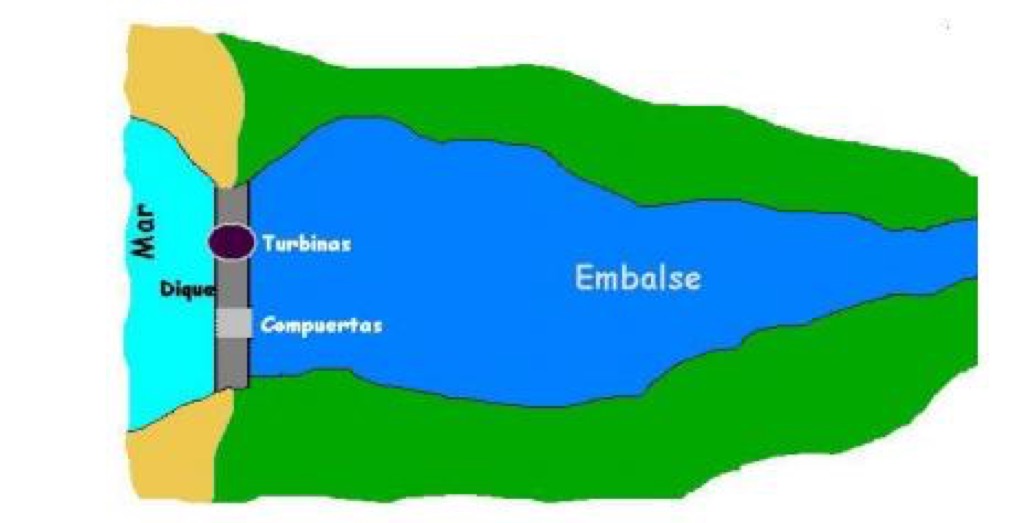
There are several operating cycles for these power plants:
- Simple cycle, a single reservoir, generating only low water levels.
- Dual-effect cycle, generates power during both high and low tides because it has reversible turbines.
- Pump-Storage Cycle, pumped storage.
- Multiple cycles, use several reservoirs, which allows for more continuous power generation.
Wave Energy from Undimotriz
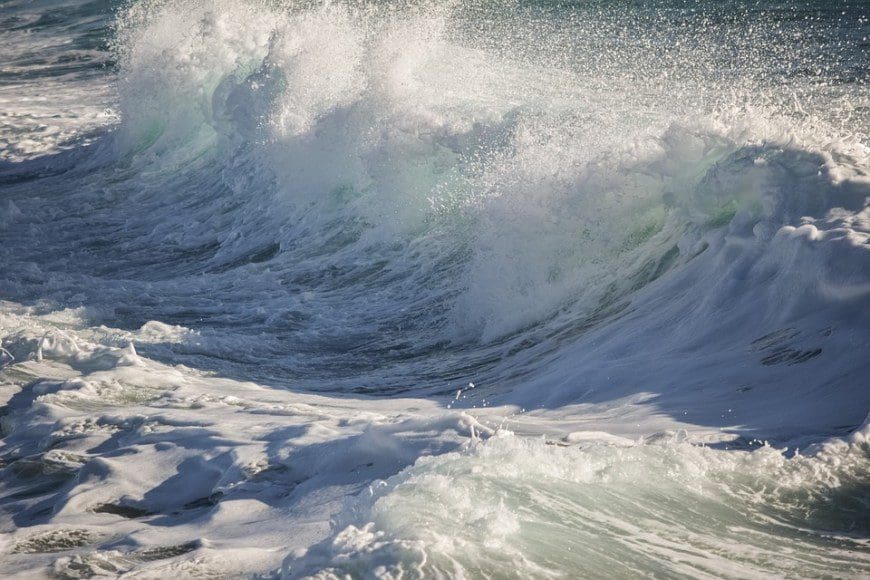
Wave energy, also known as wave power, As its name suggests, it harnesses the energy of ocean waves.
The waves are very irregular, which is a result of the wind friction against the sea surface. The potential of wave energy is directly proportional the square of the significant mean wave height and the mean period.
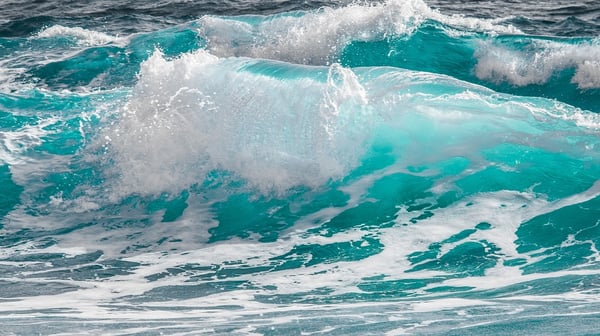
Image: dimitrisvetsikas1969 (Pixabay)
The technology for harnessing this type of energy is constantly evolving. The generation methods Existing ones can be classified as follows:
- Based on their location: devices located onshore, near the coast, or far from the coast.
- According to the principle of collection: pressure differences in a fluid, wave-driven floating bodies, or overflow and/or impact systems.
- Based on its dynamic behavior: assets and liabilities.
- Depending on their size and orientation: point absorbers, summing devices or terminators, attenuators
In Structuralia We offer a range of highly specialized master's programs in every area of engineering and renewable energy, including the ocean energy, for anyone interested in expanding their knowledge and advancing their professional future, including, in particular, the Master's Degree in Electric Power Generation: Development, Technology, and Operations and the Master's Degree in Operation and Maintenance of Power Plants.