We'll tell you everything you need to know about tidal energy and its advantages such as renewable energy.
Tidal Energy: A Renewable Energy Option
Tidal energy is a sustainable alternative to traditional energy sources because it produces no greenhouse gas emissions and is a constant and predictable source of energy. In this article, we explore the different types of technologies used to generate tidal energy, the challenges, the opportunities, and how it is being implemented around the world.
What is tidal energy?
Tidal energy is a form of renewable energy derived from ocean waves; as the waves move toward the shore, they can be used to generate electricity through special devices called tidal generators. There are several types of tidal generators, including flotation devices, suction devices, and impact devices. Each type works differently, but they all use wave energy to power an electric generator.
One of the main characteristics of tidal energy is that it is a constant and predictable source of energy, since we know that tides are caused by the gravitational pull of the moon and the sun. In addition, does not produce greenhouse gas emissions y does not require the burning of fossil fuels.
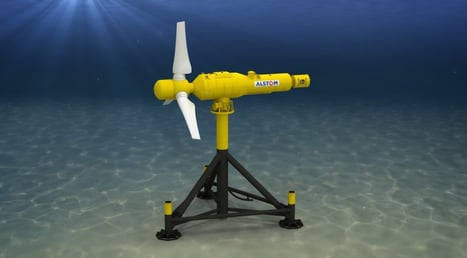 Example of a tidal power turbine. elperiodicodelaenergia.com
How is tidal energy generated?
As we have already mentioned, the process of generating tidal energy involves harnessing the energy of ocean waves to produce electricity. There are several types of tidal generators, each with its own process, but in general, the process is divided into three stages: capture, conversion, and electricity generation.
-
Recruitment: The first stage involves capturing wave energy using special devices. These devices can be floats, suction devices, or impact devices.
-
Conversion: Once the energy from the waves has been captured, the next step is to convert it into a form of energy that can be put to better use (electricity). This is achieved by mechanically converting the kinetic energy into electrical energy using an electric generator similar to those used in wind power.
-
Electricity generation: Finally, the electricity generated is stored in a battery or fed into the power grid for use.
Some tidal power generators also can use hydraulic systems to increase the efficiency of the process. In addition, some tidal power generators can be combined with a solar power system to maximize efficiency in power generation.
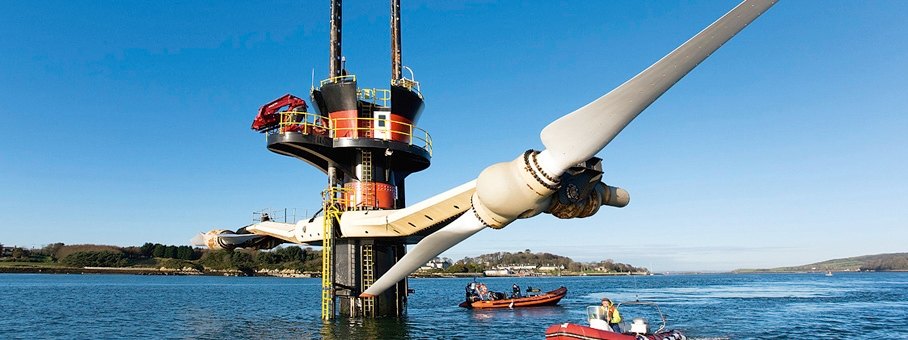
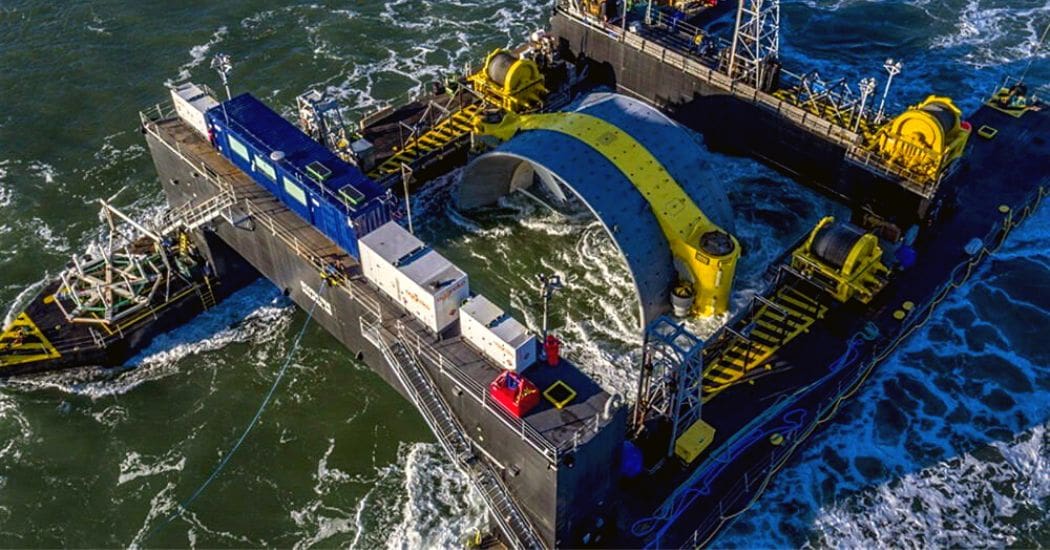
Tidal power plant in Strangford Lough, in northern Ireland. Renews
Advantages and Disadvantages of Tidal Energy
1. Benefits of tidal energy:
-
-
Tidal energy is a form of renewable energy because it is derived from ocean waves, which means it does not rely on fossil fuels and minimizes environmental damage.
-
Waves are caused by the gravitational pull of the moon and the sun, making them a constant and predictable source of energy.
-
Tidal energy is particularly well-suited for use in coastal areas with large, consistent waves, making it possible to harness energy from these types of locations, which are not typically safe for civilian use.
-
2. Disadvantages of tidal energy:
-
-
Building a tidal power plant requires a large initial investment, which can be a challenge given the long payback period.
-
Tidal energy can only be generated in coastal areas with large, consistent waves, which limits its use to certain areas.
-
Tidal power generators are quite intrusive machines, and they can have a negative impact on marine wildlife, especially on marine animals that move through coastal areas.
-
Tidal power plants can have a negative visual impact on the coastal landscape.
-
Investing in tidal power generation can be an excellent option for those interested in renewable energy, as it is a constant and predictable source of energy. However, as with any investment, It is important to consider the risks and limitations associated with the technology, since the initial investment can be significant and may pose a challenge for some investors; therefore, it is always best to conduct a preliminary study with the help of specially trained professionals.
It is important for professionals in the sector to learn about tidal energy, as it is an emerging technology with a great potential for the future, particularly with a focus on reducing greenhouse gas emissions and the transition to clean energy sources. In response, Structuralia offers specialized training programs, such as the Master's Degree in Sustainable Development. The 2030 Agenda, for professionals looking to make their mark in this sector.