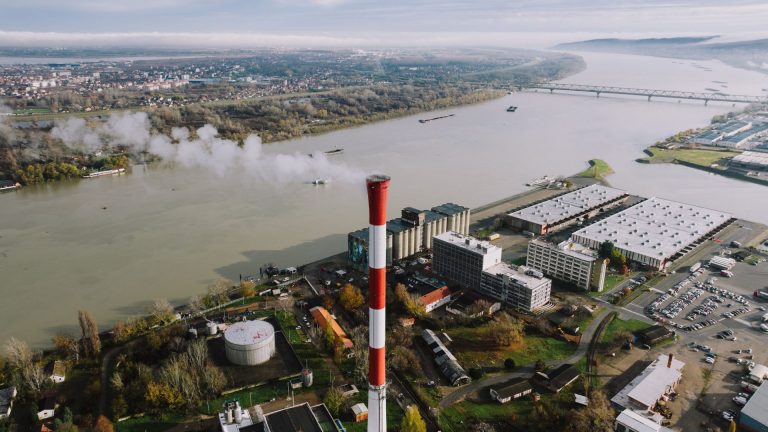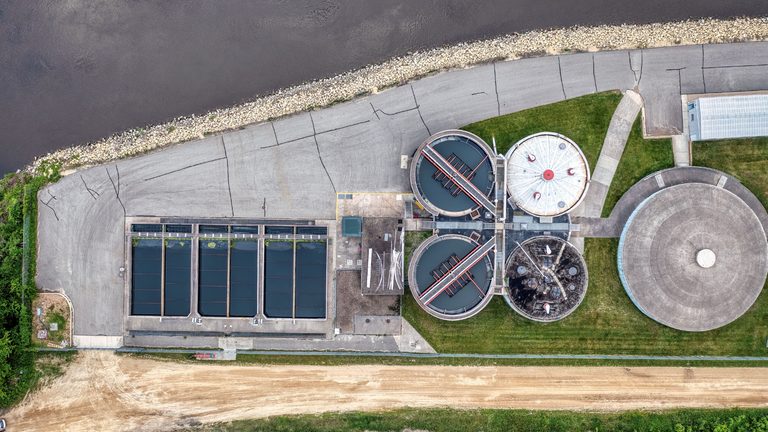
It is important to know the types of energy, especially non-renewable primary energy, because of its impact on the environment.
Learn about non-renewable primary energy and its environmental impact
In a world facing a growing climate crisis, energy production has become a critical issue that we cannot ignore. Our planet is suffering the devastating effects of its dependence on non-renewable primary energy sources—a term that will be used throughout this article. These energy sources not only deplete natural resources but also release greenhouse gas emissions that contribute to global warming and its harmful consequences. It is essential that, as engineers and global citizens, we understand the importance of renewable energy and its fundamental role in combating this environmental crisis.
Classification of Energy Sources
Before delving into the main topic of non-renewable primary energy sources, it is essential to understand how energy sources are classified based on their use. This classification system distinguishes between primary and secondary energy sources:
1. Primary Energy Sources
Primary energy sources are those that are obtained directly from natural sources, such as the sun, wind, water, fossil fuels, and minerals. These energy sources are essential for electricity generation and heat production in its most basic form. Primary energy sources not only determine the availability and cost of energy, but also have a direct impact on the environment, especially when it comes to non-renewable primary energy sources.
2. Secondary Energy Sources
On the other hand, secondary energy sources are those obtained by converting primary energy sources into more useful and transportable forms. Examples of secondary energy sources include electricity and hydrogen produced from primary sources such as the sun or wind. These secondary energy sources are essential to the functioning of our modern society, as they are more versatile and easily transportable than primary sources.
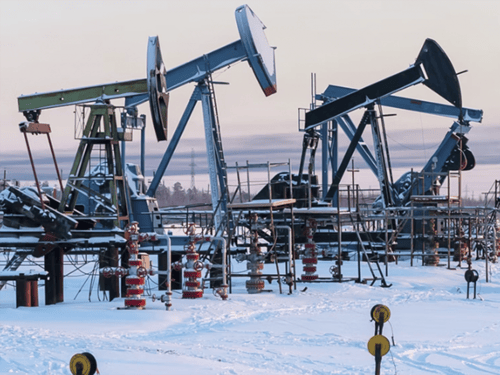 Image of oil extraction, a non-renewable primary energy source. Elperiodicodelaenergia.com
With this clear distinction between primary and secondary energy sources, we are ready to analyze the implications of the non-renewable primary energy sources on the climate crisis and the sustainability of our planet.
Non-renewable primary energy: What do we mean by that?
Non-renewable primary energy sources are those energy sources that come from natural resources that they run out over time and cannot be regenerated on a scale meaningful to humans. These energy sources, often also referred to as «fossil fuels»Because they originate from prehistoric organic remains, they played a crucial role in humanity's industrial and technological development. However, their overuse and their harmful effects on the environment have led us to rethink their use today.".
Major Sources of Non-Renewable Primary Energy:
-
-
Oil: Crude oil is one of the world's main sources of non-renewable primary energy. It is used primarily in the production of fuels for cars, airplanes, and heating, as well as in the manufacture of chemicals and plastics.
- Natural Gas: Natural gas is another important source of nonrenewable energy. It is used to generate electricity, for heating, and as fuel in vehicles and industrial applications.
- Coal: Coal has historically been an essential source of energy for electricity generation and industry. However, burning it releases large amounts of carbon dioxide, contributing significantly to climate change.
-
Uranium: Uranium is the raw material used in nuclear power plants to produce nuclear energy. Although it is highly efficient in terms of electricity generation, it presents challenges related to the safe management of nuclear waste and associated safety risks.
-
Common Uses of Non-Renewable Primary Energy Sources:
These non-renewable energy sources have become cornerstones of modern industry, with applications that include:
-
- Electricity generation.
- Mobility powered by fuels for cars, airplanes, and boats.
- Heat and steam generation for industrial and residential applications.
- Manufacturing of chemicals and plastics.
- Process Feeding in Industry petrochemical and steel industry.
Despite their usefulness in many areas of daily life, the continuous and indiscriminate use of these non-renewable primary energy sources has contributed significantly to climate change and the environmental crisis we are currently facing. It is essential explore sustainable and renewable alternatives to reduce our dependence on these sources and protect our planet.
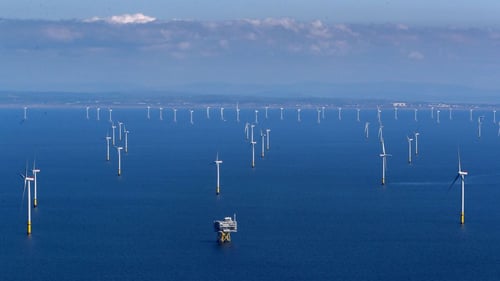 Walney Extension: Offshore Wind Farm in the United Kingdom . Elperiodicodelaenergia.com
It is the responsibility of future professionals to acquire a high level of training in these areas, since the consumption of non-renewable primary energy is having an impact on the planet that could prove irreversible. That is why specialists in high-level vocational training, such as Structuralia They focus all their Courses and Master's Programs for engineers and architects in sustainability and renewable energy.