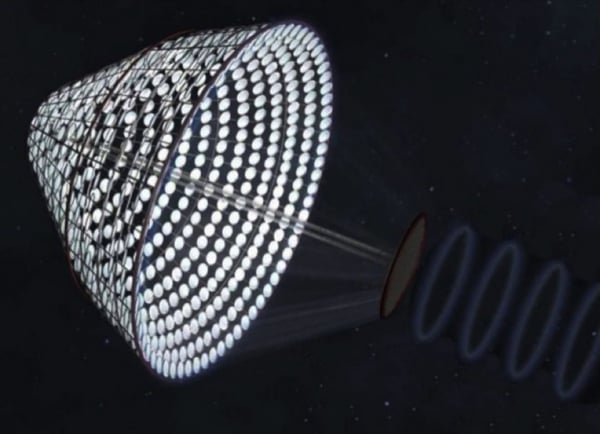
The Japan Aerospace Exploration Agency (JAXA), in collaboration with Mitsubishi, has demonstrated the possibility of wirelessly transmitting solar energy from space. This new technology will reduce our reliance on fossil fuels.
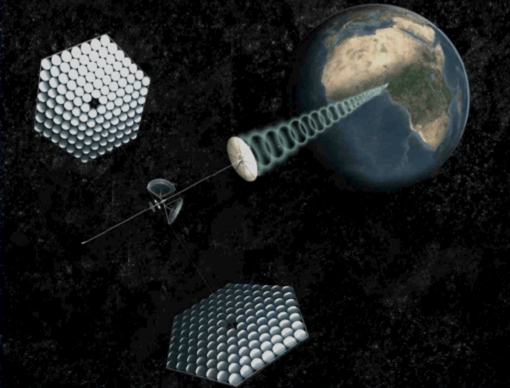
Solar energy offers great potential as a renewable energy source, and new studies and projects continue to emerge aimed at maximizing its use. In this case, the Japan Aerospace Exploration Agency has been working on a Solar Power Satellite project through which it has already announced that it will be able to wirelessly transmit 1 gigawatt of energy from space to Earth in the year 2030.
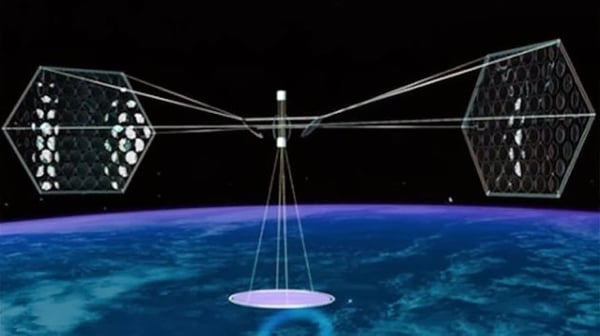
This technique is based on the fact that solar energy in space is much more intense, and there is no difference between day and night, so energy collection would not be intermittent. Furthermore, it would avoid the adverse weather conditions that prevent the collection of solar energy on Earth at certain times, allowing for a consistent supply of energy 24 hours a day. All of this would mean that the energy captured by a photovoltaic module in space would be 6 to 8 times greater than that captured on Earth's surface.
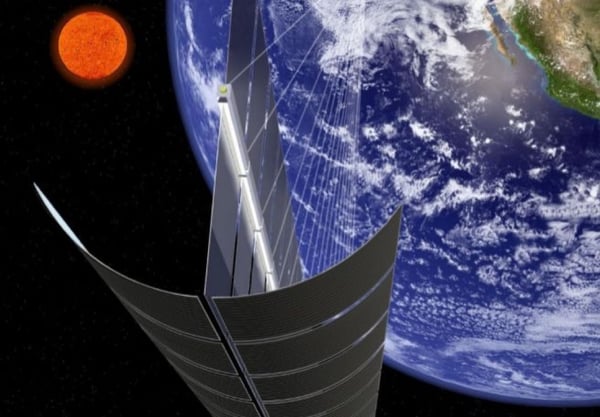
To transmit the energy captured by the satellites, the researchers ultimately decided to use microwaves. They claim that this technology would have no impact on plants, animals, or humans, and would ensure a continuous transmission of energy, unlike lasers.
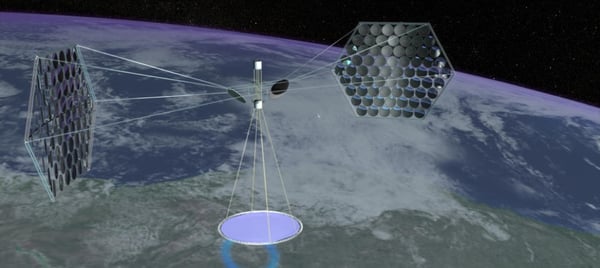
JAXA's project calls for the construction of a massive solar power plant with a capacity of more than 10,000 metric tons and several thousand meters long, which would orbit our planet. This possibility of obtaining energy from space is also being investigated by other space agencies, such as those in the United States, China, and Europe.