This article analyzes the main conventional or non-renewable energy sources. Its use, evolution, and impact in Spain and Latin America.
Let's take a look at the conventional or non-renewable energy sources. Specifically, their use throughout history. The implications and impact they have on both society and the environment. An article that transcends the boundaries between Spain and Latin America.
Trends in the Energy Sector in Spain and Latin America
Before going into detail, currently the energy model is shifting toward a more sustainable system. The goal is for the methods of extracting non-renewable energy that are more environmentally friendly. We verified this in Structuralia, a graduate school specializing in engineering, infrastructure, energy, and construction.
In terms of energy, the planet has suffered greatly over the past century. Humanity’s constant and ever-increasing demand for energy has meant that its natural energy sources have an expiration date. They are limited resources which, once fully consumed, cannot be replaced. Above all, the energy obtained from fossil fuels.
In both Spain and Latin America, the most common sources of conventional energy have been coal, the oil and natural gas. Their origin from biomass millions of years ago led them to become substances with energy properties.
- Advantages? Ease of extraction, temporary availability, and—as was initially believed—a vast chronological continuity.
- Disadvantages? The depletion of reserves (in the short and medium term), the rapid decline in the availability of raw materials, and, especially, the realization that the emission of polluting gases into the atmosphere is toxic to life on the planet.
Nuclear Fuels
Aside from fossil fuels, nuclear fuels generate conventional energy through the nuclear fission of materials. Uranium, plutonium, and all chemical elements suitable for use in reactors generate electricity. Strictly speaking, we cannot call them “fuels,” but rather “energy sources.” For specialized training in the operation and maintenance of power plants, it is always advisable to stay up to date on the latest developments.
In the Comparative Energy Trends Between Spain and Latin America, it is interesting to note how, for several decades, our country attempted to emulate France’s rapid expansion of nuclear activity, while in Latin America only Argentina, Brazil, and Mexico have developed this technology.
Extraction plants
- Spain It has 5 nuclear power plants. Two of them have 2 reactors each (Almaraz and Ascó). Installed electrical capacity: 7,398.77 MW.
- Argentina It has three nuclear power plants (Atucha I, Atucha II, and El Embalse). It uses high-pressure heavy water as a neutron moderator. They generate approximately 6.2 % of the country's total energy.
- In the case of Brazil Its two operational nuclear power plants, Angra I and Angra II, have a total generating capacity of 1,990 megawatts. A third reactor is under construction and will provide an additional 1,405 megawatts.
- Mexico, a nuclear power plant in Laguna Verde. Two generators produce about 5 % of the country's total energy.
Kyoto, Paris, Madrid
Everyone is now aware of the «greenhouse effect» caused primarily by the massive consumption of coal and oil. In 1994, the United Nations Framework Convention on Climate Change was ratified by 197 countries. In the Japanese city of Kyoto A protocol against air pollution was signed, but it did not take effect until February 16, 2005.
The Paris Agreement, signed in December 2015, sought to limit the temperature to pre-industrial levels. Everyone was aware that The world is inexorably moving toward a low-carbon economy. However, COP25, held in Madrid shortly before the start of the pandemic, was, in the words of the United Nations Secretary-General, «disappointing» due to the challenges facing multilateralism in the current international context.
A controversial and fascinating topic, which is covered in part in a master’s program on energy efficiency. Renewable technologies offer tremendous opportunities for economic and social growth. Their constant evolution enhances professionals’ efficiency and requires them to continually update their knowledge.
Initiatives and Challenges Facing Conventional Energy Sources Currently in Use
Spain and Latin America, and much of the Western world, agree that there is a discrepancy between actual costs and the inaccurate LCOE touted by traditional energy companies. Analyses overestimate the cost per kilowatt-hour of coal, natural gas, and hydropower. A major challenge is to permanently eliminate the carbon dioxide produced by coal combustion—the primary greenhouse gas.
Unlike other Spanish-speaking countries, Spain has energy and environmental goals set by Brussels, and it is no longer sustainable to maintain a system based on «polluting energy sources». Since it cannot internalize all costs, the government would inevitably have to impose significant price increases on the electricity it generates.
The projections from a recent study conducted by the prestigious consulting firm Lazard They indicate that by 2050, the lowest-cost sources of energy will be those derived from renewable energy. The Boom in Solar and Wind Power in Recent Years and the support provided by engineering are bringing these energy sources ever closer to achieving industrial maturity.
Is it realistic to envision a future where 100 % is renewable?
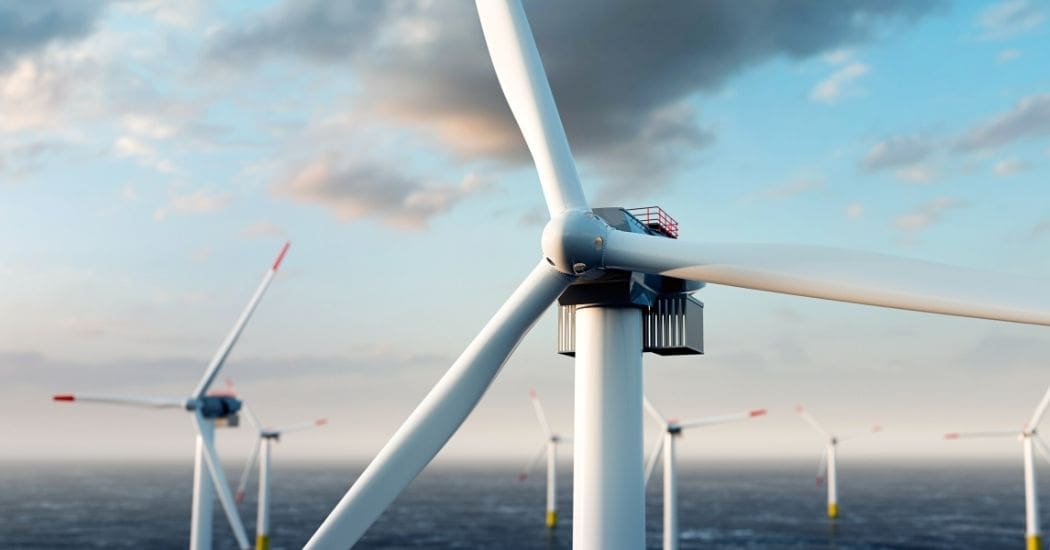
A simple question, the answer to which involves technological, technical, and, obviously, economic aspects. With one additional factor: each country’s ability to adapt the necessary technology. The latest analysis by the IEA (International Energy Agency) also highlights the unstoppable rise of renewables, led by the
wind power. The improvements it offers in terms of energy efficiency are key factors in keeping emissions stable—and even reducing them.
Have a thorough understanding of the evolution of the conventional energy sources It is essential for creating value in future projects that require up-to-date comparisons. The support and participation of Spanish and Latin American society in the energy transition are essential for success in combating climate change. It is also essential for legitimizing government initiatives that promote the use of renewable energy. In Structuralia We are convinced of the importance of high-quality continuing education for the professional development of engineers and architects.