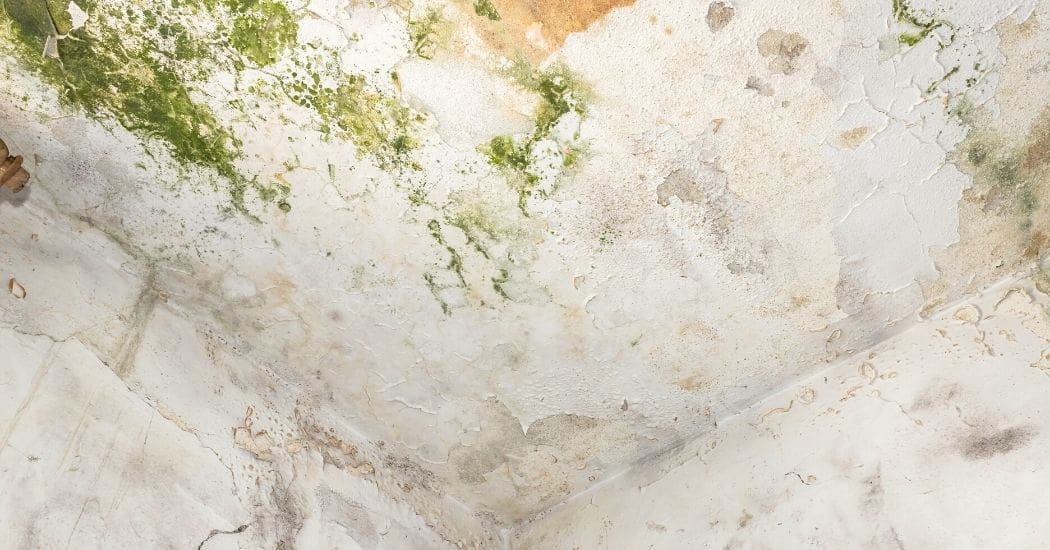
Aluminosis It is a concrete disease that affects structures made with aluminous cement. What are the causes of this condition, and how is it diagnosed?
It is possible to counteract the effects of concrete deterioration, but only if we understand how it develops. The stability of a building can be compromised due to the aluminosis o concrete deterioration. What is this injury? What causes it? How can we detect it? We'll explain below.
What is aluminosis, or concrete disease?
The term "aluminosis" refers to damage in concrete, which is primarily evident in the beams in building slabs. When this happens, the concrete’s strength gradually decreases, and the porosities in this material are increasing.
Concrete deterioration can occur only in structures where it has been used aluminous cement. This material was used primarily for the manufacture of joists because of its ability to set more quickly than other types of cement. However, its use has gradually declined in recent years, precisely because of the risks it poses. When we study a degree in engineering and construction project management, or another field related to the construction industry, we can gain a deeper understanding of this subject.
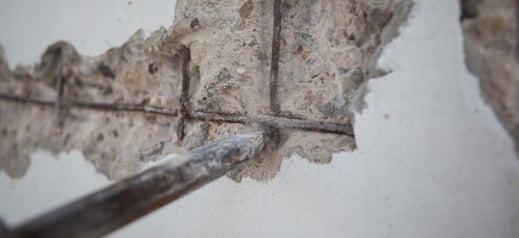 Aluminosis in concrete. Source: consulting engineers
Causes of aluminosis
Aluminosis occurs due to a decomposition process that occurs in aluminous cement, which happens at an accelerated rate. The high concentration of alumina The substance present in this material causes certain chemical changes to occur, specifically when it comes into contact with certain agents. As a result, the cement's initial properties are altered.
These are the processes that are triggered:
- Conversion: Concrete loses volume and it is done more porous. This increases their susceptibility to moisture and leaves the interior of the beams exposed.
- Carbonation: During this process, a reaction occurs between CO2 and aluminum silicates, causing a decrease in resistance of concrete. Also, the corrosion It is beginning to make rapid progress.
Another change that occurs during aluminosis is the loss of traction with steel, where the paste and reinforcement lose their bond due to physicochemical changes.
Both the temperature such as the presence of humidity in a building are key factors in the development of concrete deterioration. The effects of aluminosis on the structural materials to a building can be extremely devastating. It might even be necessary to assess the structural integrity of the building.
The areas most prone to this type of damage to concrete are those located in saline environments, or where pollutants are present. Also those with humid or hot weather conditions, which speed up the process.
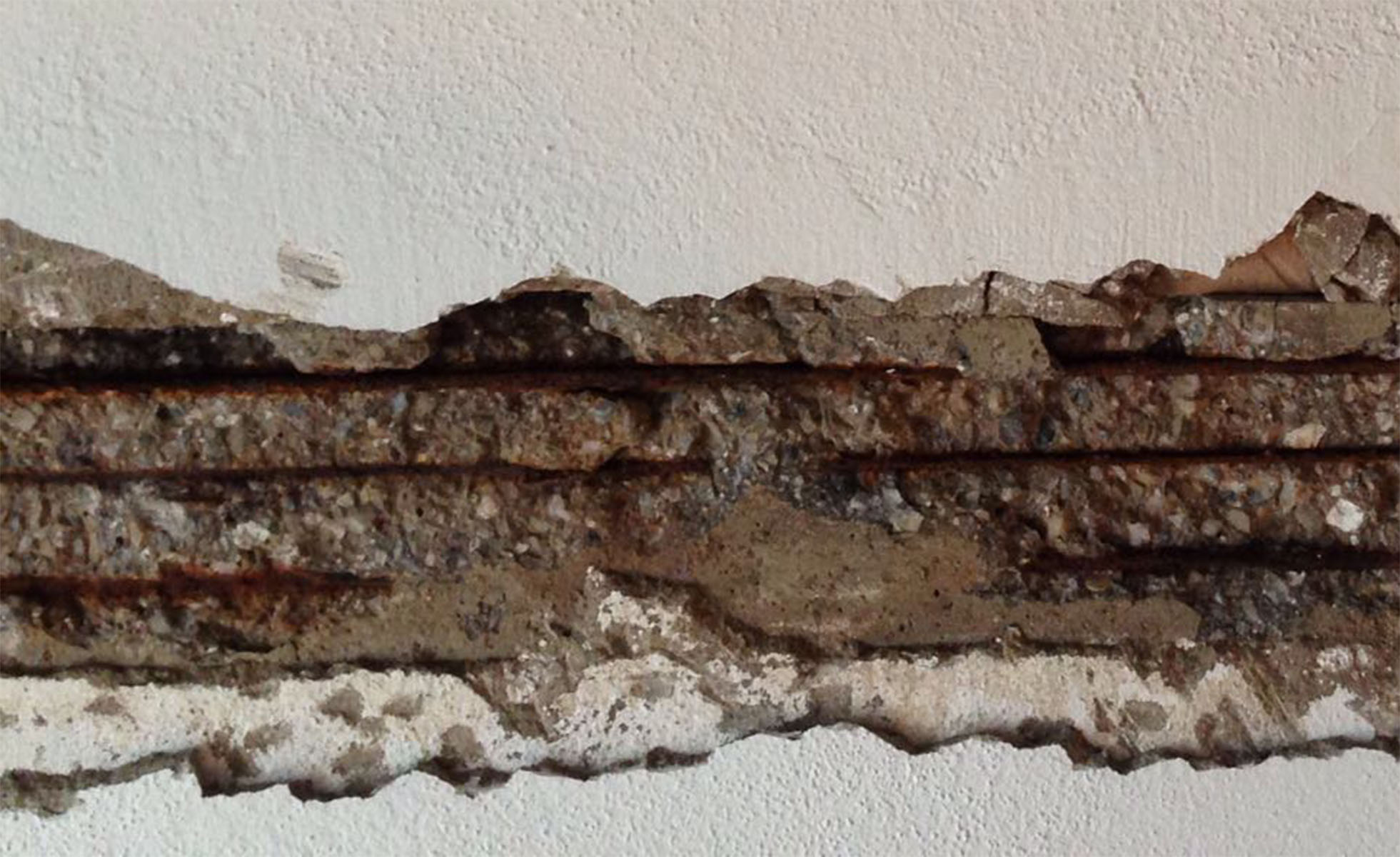 Source: struxicam
How We Detect Aluminosis
The first thing you should do is plan a technical inspection. In this study, an assessment will be conducted that begins by considering the building’s year of construction to establish its temporal context. Next, the building’s potential to exhibit the concrete deterioration; if it was built with aluminous cement.
During a physical inspection, look for the presence of cracks, ochre-colored stains, and brown cement. You can contact a laboratory to have some tests performed to determine whether aluminosis is present in the building.
Currently, various structures have had to deal with concrete deterioration. If we detect this problem, we will need to take swift action in order to extend the building's lifespan. This includes repairing damage, reinforcing structures, and addressing cracks and fissures.
Structuralia It is a graduate-level training school where professionals can gain a deeper understanding of this particular subject. The high-quality continuing education which it offers to engineers and architects, allows them to advance their professional development. The future is in our hands.