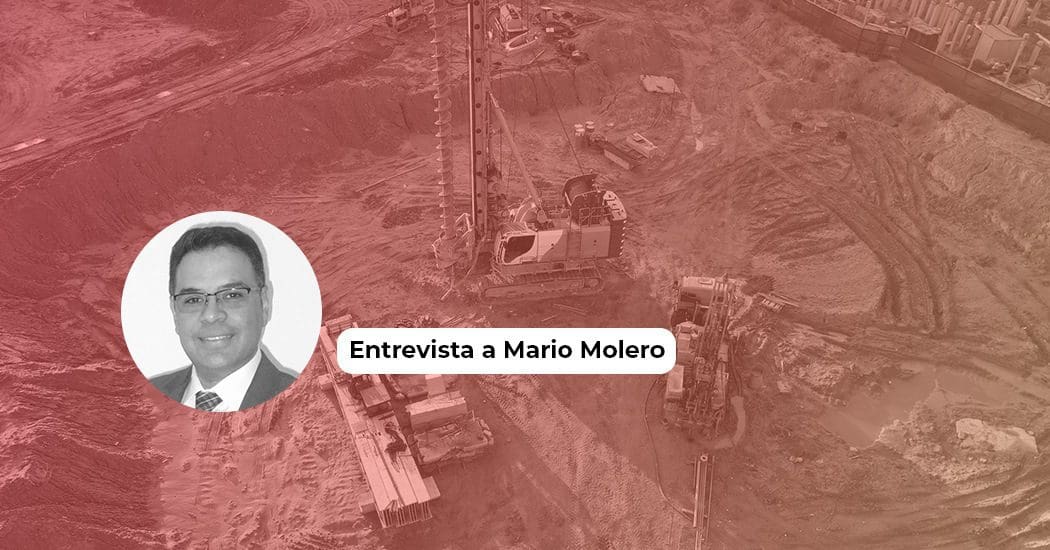
We note that you have worked in the supply chain of an open-pit coal mine on the border between Colombia and Venezuela. Could you tell us more about this work and the impact it has had on the industry?
«Working in the supply chain of an open-pit coal mine in that region was an interesting and challenging experience that allowed me to see firsthand how mining operates in a complex geopolitical environment.".
The Political and economic problems are clearly affecting the supply of raw materials and inputs, as well as transportation. We're talking about transporting enormous quantities of coal from a mine in a remote location to ports for export.
The Infrastructure in the area may be limited, and the distances are great, which makes planning and coordination vital. Managing all of this in an environment where the borders are close by and there are different, conflicting regulations and policies between the two countries added another layer of complexity.
There is also an important social aspect, since It is essential to work in collaboration with local Indigenous communities to promote the fair sharing of the economic benefits of mining and respect for workers' rights.
Another key aspect is safety. The border region can be volatile, and ensuring the safety of both operations and personnel is an ongoing priority. This involves not only physical security measures but also strategic planning to ensure that the supply chain is not disrupted by external factors.
Experience has shown that, with the right planning, it is possible to operate efficiently and responsibly even under the most challenging conditions. Working in the supply chain in that region taught me about resilience, strategic planning, and the value of sustainability in mining.«
In your experience. What are the most promising technological trends that are currently revolutionizing the mining industry? What role do you think artificial intelligence and big data will play in the future of mining?
«The mining industry is undergoing an incredible transformation thanks to technology. There are several trends that are revolutionizing the way we operate and that, quite frankly, They're changing the rules of the game.
These days, we can already see autonomous trucks and excavators operating in mines. These vehicles can operate continuously, without stopping, in difficult and hazardous conditions, which not only improves efficiency but also reduces the risk to workers. In addition, Robots are beginning to perform high-risk tasks, such as drilling in unstable areas, which significantly reduces the risk of accidents.
The drones They are being used by some companies for geological exploration, topographic mapping, and real-time environmental monitoring, which improves accuracy and reduces costs.
On the other hand, sensors connected via the IoT They are being used to monitor equipment, soil conditions, and air quality in real time, enabling more agile and precise management.
The Artificial Intelligence It is beginning to be used to analyze large sets of geological data, helping to identify new mineral deposits with greater accuracy and speed.
All of these technologies—to name just a few—are revolutionizing the way we operate mines, and furthermore, They are setting new standards for efficiency, safety, and sustainability in the industry.
Now, to elaborate a bit on your question about artificial intelligence (AI) and big data, these will play a vital role in mining—not in the future, but right now.
For example, instead of waiting for an excavator to break down, we can predict when it might fail based on the data we collect in real time. This means less downtime, lower repair costs, and smoother operations.
AI is being used to analyze large sets of geological data, helping to identify new mineral deposits with greater accuracy and speed.
With AI, we can analyze enormous amounts of data in real time, This allows us to optimize every aspect of the mining operation, from extraction to processing. For example, we can automatically adjust the machines so they operate at peak efficiency, which saves energy and reduces wear and tear.
AI streamlines supply chain logistics, For example, by improving planning and efficiency through demand forecasting and transportation optimization.
The combination of AI and big data is transforming decision-making. With access to so much information, We can make more precise plans and take more strategic decisions that take into account all possible risks and opportunities.«
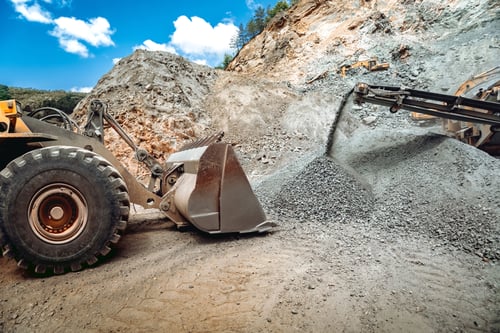
The issue of sustainability is becoming increasingly critical. What is your view on the integration of sustainable practices in the mining industry, and what measures do you consider most effective for reducing environmental impact?
«For a long time, mining has had a reputation for having a severe environmental impact, and although that challenge remains, the good news is that More and more companies are taking concrete steps to operate more responsibly. The industry is evolving, and there is a growing effort to mitigate these impacts and operate in a more environmentally responsible manner.
The integration of sustainable practices into the mining industry is gaining significant momentum, And clearly, this is the path we must follow if we want mining to remain viable in the long term.
First of all, I think it's important to understand that Sustainability in mining refers not only to reducing environmental damage but also to social responsibility. This includes ensuring that local communities benefit from mining activities, minimizing negative impacts on the environment, and ensuring that resources are managed efficiently.
Today, many mining companies are adopting technologies and practices that allow them to operate more sustainably. One example is the use of renewable energy. More and more mines are incorporating solar or wind power to reduce their reliance on fossil fuels, which not only lowers greenhouse gas emissions but also reduces long-term operating costs.
Another crucial aspect is water management. The minTextile manufacturing can be a water-intensive activity, especially in areas where water is scarce. Companies are implementing technologies to recycle and reuse water within their processes, which minimizes the withdrawal of freshwater and reduces the impact on local water sources.
In summary, Sustainable mining is a complex challenge, but it is possible, and as I usually point out… Sustainable mining is mining done right—a ‘gem’ for the global economy.«
Speaking of your career. What key lessons have you been able to apply in your current position in the mining industry?
«Well, the first thing that comes to mind has to do with Planning in the mining industry. ABefore beginning any operation, it is vital to conduct thorough studies that include environmental, social, and economic assessments. This not only helps identify potential risks and mitigate their impact but also ensures that the project is viable in the long term. I have learned that good planning can save a great deal of time and resources in the development of mining projects.
Another key point I've learned is the importance of working closely with local communities. It is essential to involve communities from the outset, listen to their concerns, and work together to ensure that mining brings long-term benefits. This approach not only creates a more harmonious work environment, but also secures the environmental permit to operate, which is just as crucial as any legal permit. Mismanagement can bring an operation to a standstill for a long time, making the business unviable.
Finally, I've learned that Innovation is key to maintaining competitiveness in the mining industry. This means always staying up to date on the latest technologies, such as artificial intelligence, automation, and big data analytics, and be willing to implement them to improve operations. At first, it may seem like a complicated process, but there are increasingly more trained professionals and accessible, secure tools available
Recently, researchers from the University of Chile and Atanor, a Chilean company, developed AI-powered software that facilitates the monitoring of roads in open-pit mining. We have taken this as an example and are already working on our own AI-based technology to drive data-driven decision-making.«
As Director of the Master's Program in Management and Systems in the Mining Industry. What do you consider to be the biggest challenge currently facing the management of large-scale mining projects, and how can it be overcome?
«I could mention several things, but first, when we talk about mining, We are dealing with projects that can last for decades, involve investments worth billions, and have a significant impact on both the environment and local communities. All of this takes place in an environment where conditions can change rapidly, ranging from fluctuations in mineral prices to changes in environmental regulations.
We're talking about coordinating hundreds, if not thousands, of variables at the same time: from exploration and infrastructure development to the extraction, processing, and transportation of minerals. Each of these phases presents its own challenges and risks, and even a small mistake in any of them can have a huge impact on the entire project.
Thorough planning is essential, This includes conducting geological studies, assessing potential risks, and having robust contingency plans in place. It is essential to anticipate problems before they arise.
Now, one of the biggest challenges we face in managing large-scale mining projects is environmental sustainability. And there's nothing new about that—we've been doing this for years—but we now have better resources and technology to achieve better results in this endeavor.
For example, the use of new real-time monitoring systems and process automation can help reduce the environmental impact. It is also important to invest in renewable energy for mining operations, which not only reduces carbon emissions but can also be more cost-effective in the long run.«
Safety in mining operations is a crucial issue. Could you share some of the best practices or innovations you've observed or implemented to improve safety in this sector?
«That's very true, Safety in mining operations is extremely important. This is an industry with high risks, so ensuring that every worker returns home safe and sound is an absolute priority. Throughout my career, I have seen and implemented various practices and technologies that have made a significant difference in this regard.
First of all, improve Safety in mining operations requires a comprehensive approach that combines a strong safety culture, ongoing training, the use of advanced technology, appropriate personal protective equipment, clear protocols, and a focus on worker well-being. Together, these elements create an environment where safety is not just a priority, but a daily reality.
I could tell you that my area of expertise isn't in security, but we work closely with those in charge, and that makes us part of the same effort—and therefore jointly responsible for this issue.
I've learned that security starts with a strong security culture. This means that security cannot be the sole responsibility of the security team or managers; It must be part of the company's DNA. Every employee, regardless of their role, must be committed to safety and feel empowered to stop any activity if they believe there is a risk.
Working in a mine can be physically exhausting and mentally stressful for many workers. I have noticed that when the Companies invest in the overall well-being of their employees, including psychological support and health programs, », stress is reduced, concentration improves, and, as a result, accidents are reduced."
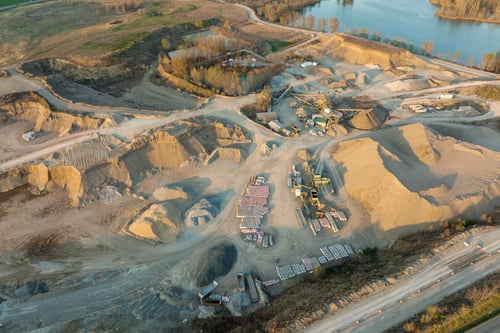
In closing… What advice would you give to young professionals who want to pursue a career in the mining industry? What skills and knowledge do you consider essential? And why would you recommend that they pursue the Master’s in Management and Systems in the Mining Industry?
«It's simple, This industry increasingly needs professionals trained in vision and cutting-edge technologies.
If you're considering a career in the mining industry, my advice would be: aLooking ahead, it is a fascinating field with many opportunities for professional growth.
Mining is an essential industry that drives many others—from technology to construction—and has a direct impact on the economic development of many countries. However, as in any sector, there are certain skills and knowledge that are key to success.
Mining is a highly technical industry, so a solid foundation in engineering, geology, or environmental science is essential. However, as in my case, there are many other areas of management that are crucial to the smooth operation of a mining operation. No matter how technical a roIn this role, the ability to communicate effectively, lead teams, and manage a strategy is essential.
Companies are increasingly looking for professionals who understand how to reduce their environmental impact, manage resources responsibly, and collaborate with local communities.
And finally, Technology is transforming the mining industry, which is why skills in digital technology and data analysis are becoming increasingly important. Becoming familiar with tools such as geological modeling software, automation systems, big data analysis, and Having knowledge in these areas can open many doors.
In short, if you’re passionate about challenges and technology and want to be part of an industry at the heart of global development, mining is the field for you—and if that’s your vision, the Master’s in Management and Systems in the Mining Industry is exactly what you need to prepare yourself and specialize in this field.«
We would like to thank Mario Molero, Director of the Master's Program in Management and Systems in the Mining Industry, for sharing their valuable experience and perspectives with us. Their insights are essential to better understanding the challenges and opportunities in today's mining industry.