Greenwashing It's the new buzzword that aims to bring about real change in society, toward a more sustainable planet.
Greenwashing: Striking Examples from Well-Known Brands
As professionals, we are called upon to lead the way toward a greener and more sustainable future; however, on this journey we encounter a subtle yet dangerous obstacle: the greenwashing. This deceptive phenomenon manifests itself through strategies that appear to be environmentally friendly, but which are actually just ploys to influence consumer behavior. In this article, we’ll explore examples of greenwashing and the urgent need to look beyond appearances, embracing a genuine commitment to preserving the planet.
Greenwashing: Just for Show
The greenwashing, or "greenwashing," is a tactic used by some companies to project an image of environmental commitment without backing it up with concrete actions. This phenomenon has a direct impact on society by creating a false perception of sustainability, leading consumers to make decisions based on misleading information. Examples of greenwashing They range from misleading eco-labels to advertising campaigns that exaggerate or distort a company's environmental achievements.
This practice not only undermines consumer confidence, but also hinders genuine efforts to address environmental challenges. As professionals in the industry, it is imperative that we remain vigilant against these strategies and foster a culture of transparency and environmental responsibility.
The Most Outrageous Examples of Greenwashing
Discover the most notable examples of greenwashing It plunges us into a world of cunning strategies that have confused consumers and eroded environmental authenticity. These few lines will explore Notable cases in which appearances were deceiving, emphasizing the importance of taking a critical look at promises of sustainability.
H&M
H&M, a powerhouse in the fashion industry, made a splash in the sustainability arena with its eco-friendly clothing line. However, behind the green facade of its environmental claims, it was revealed that of the 600 labeled garments listed on H&M’s U.K. website, 100 of them contained errors or misleading information. This example highlights the challenge of distinguishing between a genuine commitment and a strategy of greenwashing in an industry that, paradoxically, contributes significantly to negative environmental impacts. The lesson here is clear: Transparency is essential to build a genuine sustainability narrative.

Image from the controversial campaign by the clothing brand H&M. NextInBeautyMagazine
IKEA
Ikea, known for its image of environmental commitment, found itself embroiled in controversy when, in June 2020, it was linked to the illegal logging in Ukraine According to a report by the Earthsight NGO. Despite these accusations, there are signs that IKEA is seeking to redeem itself by exploring circular economy initiatives and working with experts to improve its environmental approach. This case highlights the importance of constant monitoring and companies' willingness to move toward more sustainable practices.
ExxonMobil
ExxonMobil, marked by the the infamous 1989 oil spill, one of the greatest environmental disasters, presents a paradox in its current actions. Although it suggests that its biofuels could reduce emissions from transportation; their reduction targets for 2025 They are unaware of the vast majority of products that generate massive emissions. This example highlights the importance of evaluating companies' specific actions, beyond his statements, and highlights the need for a genuine commitment to reducing global emissions.
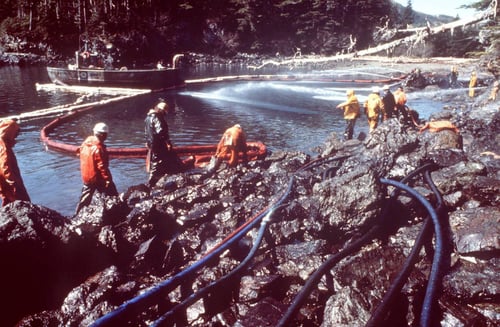 Consequences of the oil spill caused by Exxon in 1989. Agenciasinc
BP
BP, a fossil fuel giant, launched a public campaign to install solar panels at all of its gas stations. However, in an obvious paradox, 96 % of its annual spending was allocated to ongoing oil and gas development and refining projects. This example underscores the need to look beyond superficial marketing initiatives and focus on the actual actions companies are taking to address the urgency of the transition to more sustainable energy sources.
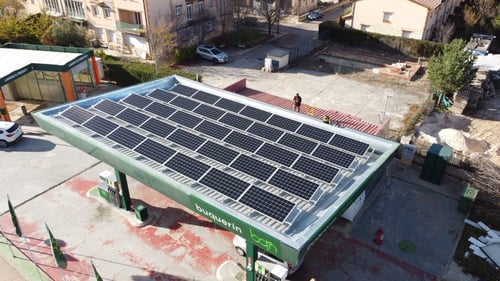 BP gas stations with solar panels on their roofs as part of the controversial campaign that ultimately came to be labeled as an example of greenwashing. Besunenergy
In the complex scenario of the greenwashing, the key to unraveling deceptive strategies lies in true knowledge. Continuing education and specialization are emerging as the main tools for engineers, such as Guardians of Sustainable Progress, so that they can distinguish between empty promises and genuine actions. It is our responsibility as professionals in the sector drive real change, and for those seeking to delve deeper into the true concept of sustainability, Structuralia offers a range of courses and master's programs designed to foster understanding and catalyze change toward truly responsible practices.