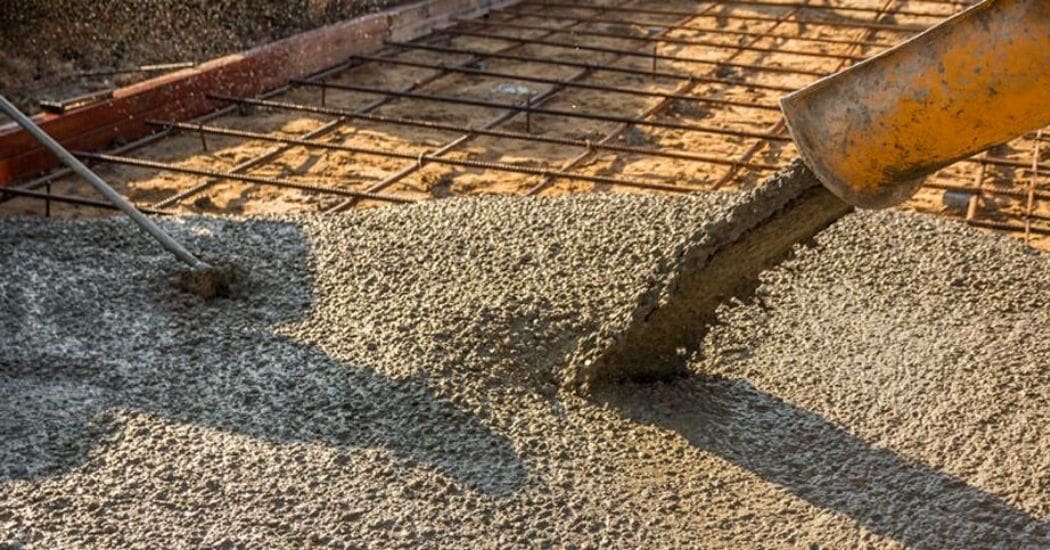
The layer of slurry concrete It has become indispensable in the foundation of structures, thanks to its dual function.
There is a common misconception that concrete is used in construction primarily for structural elements, or in some cases as finish or some type of furniture support. But this material is so versatile and affordable that we can use variations, such as the slurry concrete, for more temporary and support applications to other structural elements.
We can say that this type of concrete is used based on the experience or preferences of the construction supervisor; in fact, It was not regulated in Spain's technical building code until 2008 (EHE 08). Even so, it is increasingly used in construction as leveling and “sanitizing” layer” prior to the construction of the structural foundation of any building.
What is cleaning concrete?
Concrete is referred to as "cleaning concrete" when it concrete that serves no structural purpose whatsoever, and is applied as a fairly thin layer, between about 10 to 15 centimeters, which is done Before the footings and foundations. Typically, a low-cement concrete mix is used, with proportions close to those of 5 parts of aggregate for every part of cement, and aggregates made from crushed rock, rounded gravel, and sand are used.
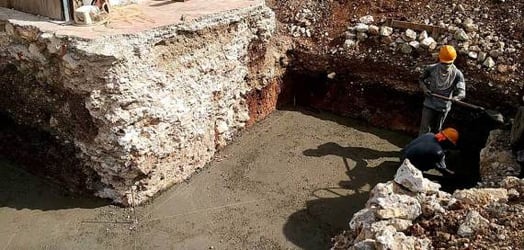
Leveling of foundations with a layer of concrete screed. paviconj-es.es
What is slurry concrete used for?
As we have already mentioned, the concrete screed is a structural element that supports other structural elements, specifically those that form the building's foundation. Their main purpose is prevent the reinforced concrete used in footings or foundations from coming into direct contact with the soil, during setting and in subsequent stages.
By keeping the concrete off the ground, This prevents the drying out and any possible perversion by pouring the concrete directly onto the ground, making sure that the rebar remains at a safe distance. On the other hand, the method also known as seat base, serves as a tool for level the work surface on which the structure will be built, perfectly fulfilling a dual function: protection and leveling.
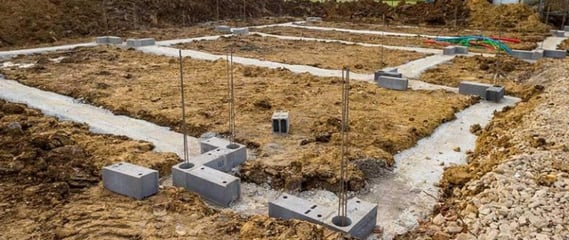
Installation of footings on subgrade concrete. pavex.es
Advantages of slurry concrete
Let's take a look at the advantages of using this type of concrete:
- Prevent pollution: It helps prevent structural concrete from coming into direct contact with the ground, which may contain impurities, excessive moisture, or organic matter that could compromise the quality and durability of the concrete.
- Protects the steel bars: By creating a clean, level surface, it prevents the steel bars from rusting before the structural concrete is poured. This ensures that the reinforcement retains its integrity and functionality.
- Prevents moisture: It acts as a barrier to prevent cracks and reduce their strength.
- Creates a level and even surface: It facilitates subsequent work involving layout, formwork, and wall construction.
- Lower cost:By protecting the reinforcement from corrosion and contact with the ground, it allows for the use of a thinner layer of steel in the slab, which results in material savings.
- Easy to applyn: Screed concrete is a low-strength mixture, which makes it easy to prepare and place on site.
How to Make Screed Concrete: Proportions and Mix Ratios
To achieve optimal results, a rigorous procedure must be followed:
- Site Preparation: Compact and clean the bottom of the excavation, ensuring that it is free of mud, debris, or moisture.
- Dosage:
- Minimum cement content: 150 kg/m³.
- Dry mix ratio: cement ≈ 5:1.
- Clean aggregates up to 30 mm.
- Enough water to achieve a plastic consistency.
- Water-reducing admixtures, if workability needs to be improved.
- Mix: Ideally at the plant for better control, or on-site using homogeneous mortar.
- Pouring and Leveling: by truck, pump, or cupola. It is laid to a uniform thickness (10–15 cm) using straightedges and levels. .
- Aged: Keep moist until the structural concrete sets.
- Installation of Reinforcement: Once the concrete has set, the footings, slabs, or foundations are constructed.
Technical Specifications (EHE 08 Specifications)
As we mentioned earlier, until 2008 the The Structural Concrete Code in Spain did not include any regulations regarding the preparation of screed concrete on construction sites. Until then, the preparation of the concrete, the pouring criteria, and the sizing were left to the foreman or even the mason. Currently, a concrete screed must comply with the following requirements, at a minimum:
- The size of the aggregates must be less than 30 millimeters, although the use of recycled aggregates, such as construction debris, is permitted.
- If additives are used in the concrete for the screed layer, They must be additives that act as water reducers, because the mixture usually contains very little cement.
- At a minimum, the amount of cement used in the mixture must be Do not go below 150 kg/m3.
- Since it is not a structural element, the compressive strength of this concrete may be about 15 N/mm2 .
When to Use Cleanout Concrete
As construction professionals, when we notice that the ground, after being compacted and prepared, It has visible irregularities and is difficult to level, we must immediately lay a layer of concrete at least 12 centimeters thick. The economy and convenience The concrete that can be used to prepare the screed layer will be more effective and cheaper than any other type of solution.
Regardless of the poor condition of the terrain, Many architects recommend always avoiding the application of a layer of concrete for cleaning purposes. The additional protective layer reduces the increase in porosity in structural concrete of the shoe plates, increasing their strength and durability; not to mention that it makes it considerably easier to lay out the rest of the components.
Price of slurry concrete
The price of concrete slurry is around 7 €/m² for a standard thickness of 10 to 12 cm. This value is approximate and may vary depending on several key factors, such as:
- Applied thickness: The thicker the material, the greater the volume and the higher the costs (each additional centimeter can add up to €1/m²).
- Terrain Conditions: Uneven ground or poor access increases the cost of the project.
- Geographic and Logistical Area: The price of concrete may vary depending on the region and distance from the plant.
- Preparation Method: It can be mixed on-site or ordered from a concrete plant, which affects both quality and cost.
To get an accurate price tailored to your needs, we recommend requesting detailed quotes from several local concrete companies and contractors. They will be able to take into account the exact volume you need, the accessibility of the job site, and any additional services (such as pumping) to provide you with a precise quote.