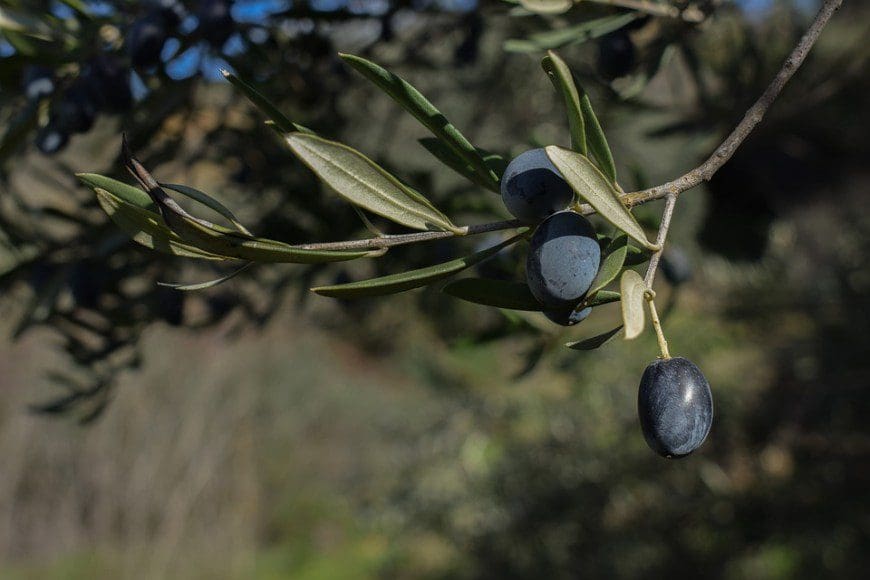
The production of olive oil, pitted olives, and stuffed olives generates large amounts of olive pits as waste, which are currently used as fuel for boilers. Recently, a group of researchers from the Polytechnic University of Valencia decided to explore other applications for this waste in the construction industry… with excellent results!
Specifically, the research group at the UPV’s Institute of Concrete Science and Technology (ICITECH), led by Jordi Payá, has developed a new type of cement made from carbonized olive pits combined with blast furnace slag.

Photo: ulleo (Pixabay)
This intriguing research has resulted in an alkaline-activated cement, which is more sustainable and cost-effective than that traditionally used in construction. In addition, it is a type of cement that outstanding mechanical performance, as Jordi Payá himself explains. So far, this cement has been used to produce high-performance mortars and concretes, which reach sufficiently high resistance levels so that it can be used in construction successfully, especially for materials prefabricated.
But how is this new type of cement manufactured?
For your manufacturing, first of all, it is Both the olive pits and the slag are incinerated from the blast furnace separately and are then they mix the ashesThe materials are mixed in specific proportions, and water is added. According to tests conducted by the UPV team, the optimal mixing ratios for manufacturing high-performance cement are around 80% of slag waste and 20% of bone ash.
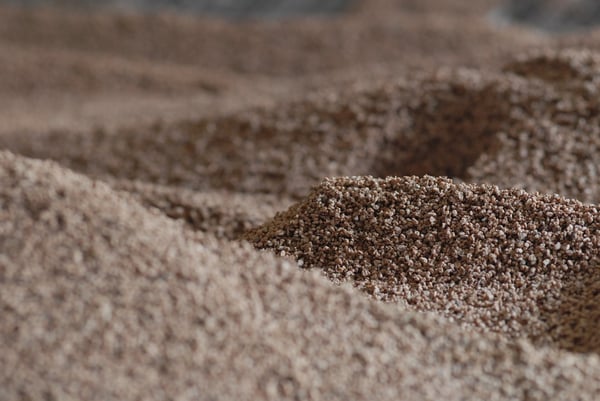
Photo: rizox (Pixabay)
In addition to leading to the creation of a cost-effective material with high mechanical performance, the reuse of agricultural waste for other industrial purposes is an important environmental benefit in terms of CO2 emissions, by reducing them by up to 20%.
As if all this weren't enough, a separate study conducted by the Higher Technical School of Engineering and Industrial Design at the Polytechnic University of Madrid has shown that charred olive pits reduce the density of cement mortars y improve thermal and acoustic properties, in addition to being a highly sustainable option for the production of lightweight mortars, as it has a lower energy requirements than ordinary mortars.
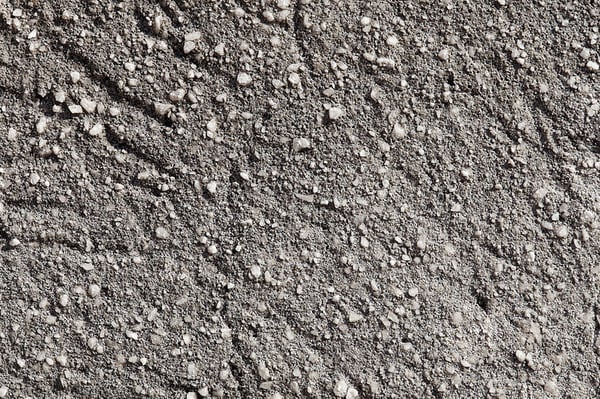
Photo: Luis Miguel Bugallo Sánchez (Lmbuga) (Wikipedia)
Without a doubt, this new use for olive pits is very interesting for Spain, which is located at the world leader in olive oil production, generating more than 30,000 metric tons of olive pits as waste per year.