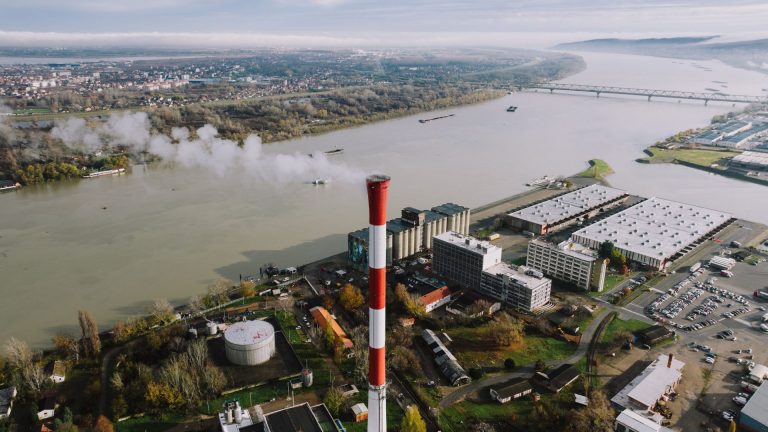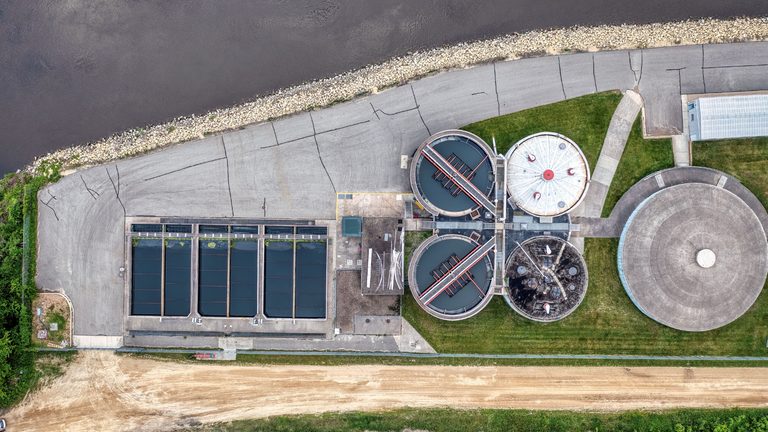
Find out how the Environmental Impact of Electricity: A comprehensive analysis of its environmental impacts.
Current Overview of Polluting Energy Sources
The production and consumption of electricity play a fundamental role in our daily lives, from lighting our homes to powering our industries. However, it is vital to understand and address the environmental impact associated with this form of energy. In this article, we will explore the various aspects of Environmental Impact of Electricity and how we can work toward a more sustainable future.
Environmental Impacts of the Electricity We Generate
Among the environmental impacts In terms of electricity generation, we highlight the following:
1. Greenhouse Gas Emissions and Climate Change
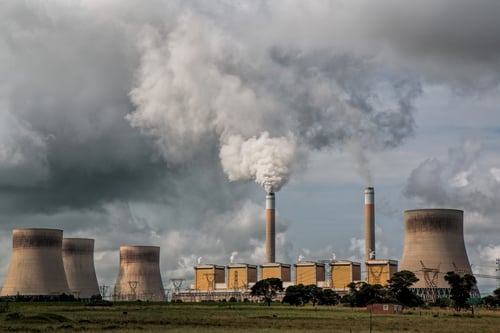
One of the main environmental impacts of electricity generation is the greenhouse gas (GHG) emissions, such as carbon dioxide (CO2), methane (CH4), and nitrous oxide (N2O). These emissions come mainly from the burning of fossil fuels in thermal power plants and play a significant role in climate change.
Rising concentrations of greenhouse gases (GHGs) in the atmosphere are causing global warming and its associated effects. Among these, we highlight rising temperatures, changes in weather patterns, and the melting of the polar ice caps.
 Source: Pixabay
2. Air Pollution and Health Problems
Electricity generation can also produce air pollutants that affect the quality of the air we breathe. Thermal power plants and other conventional generation systems release pollutants such as sulfur dioxide (SO2), nitrogen oxides (NOx), and fine particulate matter (PM). They contribute to respiratory problems, cardiovascular diseases and, in general, harm to human health. These pollutants can also have adverse effects on terrestrial and aquatic ecosystems.
3. Depletion of Natural Resources
Electricity generation from conventional sources, such as fossil fuels and nuclear power, requires the intensive use of natural resources. The extraction of coal, oil, and natural gas involves the ecosystem disruption, soil degradation, and water pollution. Furthermore, nuclear energy relies on radioactive materials. Their extraction and safe handling pose significant challenges in terms of environmental impact and health risks.
Opportunities in Renewable Energy
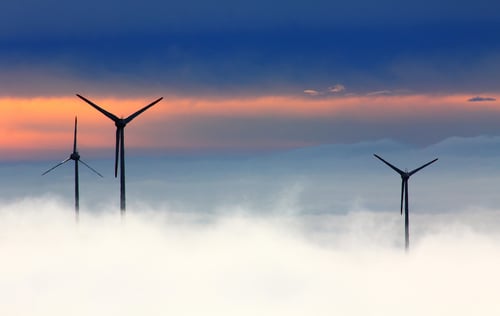
Fortunately, there are more sustainable solutions in the form of renewable energy. They offer an alternative with a lower environmental impact. Renewable energy sources, such as solar, wind, hydroelectric, and geothermal energy, are abundant and do not emit greenhouse gases or air pollutants during their operation. However, it is also important to assess the challenges associated with these sources. For example, the appropriate siting of projects and the optimal management of the waste generated.
 Source: Pixabay
Working Toward a Sustainable Future
To address the environmental impact of electricity, it is essential to take a holistic approach. This involves increase investment and research in renewable energy technologies, to promote energy efficiency in all areas of society and to foster education and awareness about the importance of energy sustainability.
In this context, Structuralia plays a key role by offering master's degrees and specialized training programs in Industry, Energy, and the Environment. These educational opportunities enable professionals to acquire the knowledge necessary to develop innovative and sustainable solutions in the field of electrical energy.
In conclusion, the environmental impact of electricity is a pressing concern. Greenhouse gas emissions, climate change, the depletion of natural resources, air pollution, and health problems are just some of these concerns. At the same time, we must take advantage of the opportunities offered by renewable energy. With a a combination of individual and collective efforts, together with specialized training, we can work toward a more sustainable and environmentally friendly energy future. The solution lies in our hands and in the vision we have for the future.