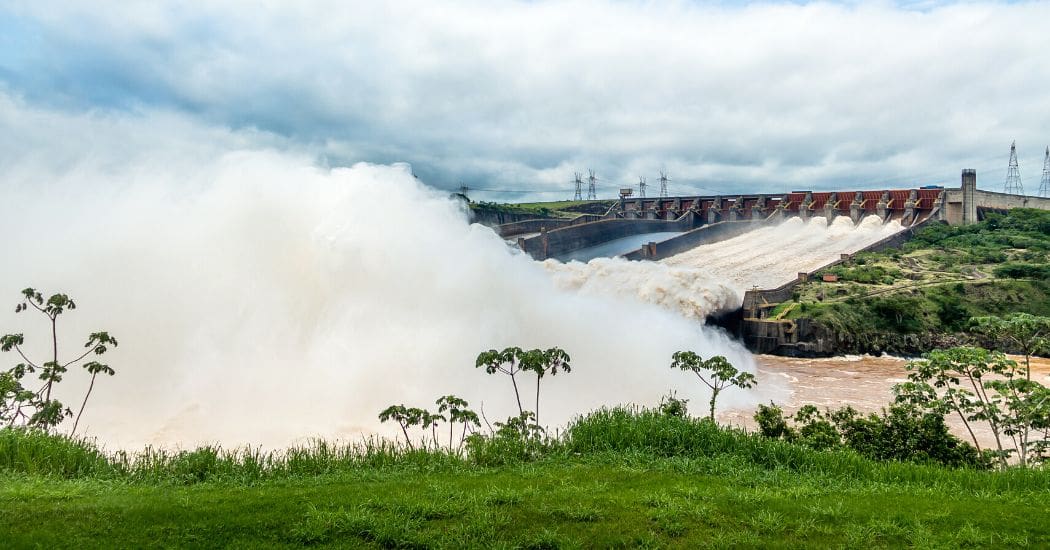
The hydropower reserves In addition to generating electricity, they supply the population with water for consumption and for irrigation systems
Types of Water Reserves
Water reserves are classified into two main groups:
1. Artificial Water Reservoirs
This refers to surface water bodies created by humans through the construction of artificial waterways which are filled with water and then refilled with the rainwater.
This group includes dams, lakes, marshes, and artificial reservoirs, as well as water reserves obtained through artificial processes such as the desalination of natural water.
Among the man-made reservoirs, the following stand out: the reservoirs, which are structures used to store water. They are usually built by blocking the mouth of a valley using concrete walls called dams, which are designed to hold back the flow of water from rain or a river. The purpose of these reservoirs is to supply the population with drinking water for consumption and irrigation, as well as to generate electricity.
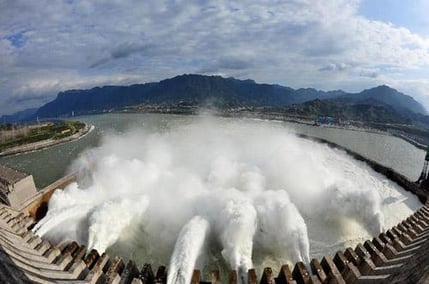
Among the hydroelectric dams Among the world's largest are the dams at the Three Gorges, located in China, with 22,500 megawatts (MW). The one located on the border between Brazil and Paraguay, called Itaipu, with 14,000 MW. The dam at the Guri with 10,234 MW located in Venezuela. The Grand Coulee with 6,809 MW in the United States and Sayano-Shushenskaya from Russia, with 6,400 MW.
2. Natural Water Reserves:
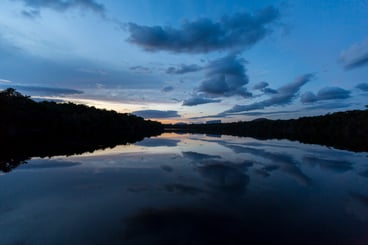
It refers to bodies of water formed by processes natural that form in the waterways. These include lakes, rivers, reservoirs formed by natural processes, and groundwater.
How do hydropower reserves affect the population?
As we have already explained, hydroelectric dams not only supply drinking water the public and the irrigation systems, are used to generate electricity. In the process of producing electricity, water consumption is not required, because this is reinstated back into the main channel so that it can be used again for other uses.
However, in order for the hydroelectric power plants In order for them to generate electricity using water from the reservoirs, they must comply with a minimum reserve.
In this regard, we see that the effects of the climate change are having a negative impact on the long periods of droughts that prevent reservoirs from reaching the appropriate levels to generate electricity.
Take Spain, for example, which, according to the State Meteorological Agency (AEMET), so far in 2022, it has been determined that this has been the third driest year of the 21st century. These low hydroelectric reserves have resulted in the high prices in the rate electric
On the other hand, we have the impact of the rise in the price of gas, which authorities have attempted to mitigate by increasing hydroelectric power generation, but this is limited by the water shortage. Hence the need for a good handling from hydropower reserves that will allow the population to have a greater access the services that electricity provides for daily life. To do this, reservoirs must store water during periods of low demand and use it to generate electricity during the hours of increased consumption.
In conclusion, it is necessary for countries to take action such as: the development of new projects hydroelectric plants to replace old plants that are inefficient or insufficient, control over the right to water use during periods of scarcity through legislative regulations, and the increase in the efficiency in the production of biofuels.
Here are some steps you can take to contribute the increase in the reserves of the hydropower, in order to adequately supply the population of drinking water y electricity at higher prices affordable.