Learn all about the electricity tax in Spain and other European Union countries, as well as the rate increase in 2024.
Electricity Taxes in Spain and Other European Union Countries
Electricity is essential to our daily lives and to the economic development in various countries. However, their production and distribution may prove to be costly both economically and environmentally. Among the factors that influence its cost, the following stands out: the electricity tax, a tax that directly affects consumers and varies significantly from country to country. In this article, we will explore The Impact and Characteristics of the Electricity Tax in different regions, with a special focus on Spain.
Studying the electricity tax not only helps us understand its economic and environmental impact, but it also provides us with an overview of the energy policies of various countries. By examining these differences, we can identify Effective practices and areas for improvement, which contributes to a more informed debate on the sustainable and equitable management of one of the most essential resources for our societies.
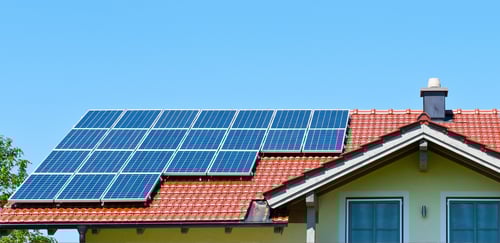 Solar panels for residential self-consumption that may be eligible for subsidies through the electricity tax. The Confidential
The Electricity Tax in Spain
The electricity tax in Spain is a specific tax levied on electricity consumption. It is determined by applying a percentage to the taxable base, which corresponds to the cost of the energy used. Currently, The general rate for this tax is 5.11269632%, although there are reductions and exemptions for certain users, such as those who use electricity in specific industrial processes.
The purpose of the electricity tax in Spain, as in many other countries, is to fundraising for the maintenance of electrical infrastructure and the promotion of renewable energy. In addition, this tax has an environmental component, as it aims to promote a more efficient and responsible use of electricity, thereby reducing the environmental impact rrelated to its production.
Progressive Tax Increase in 2024
Throughout 2024, the electricity tax will increase gradually. From January 1 through March 31, 2024, the Special Tax on Electricity will be applied at a rate of 2,5%. Then, from April 1 through June 30, 2024, the rate will increase to 3,8%. Finally, on July 1, the rate will return to its original value of 5,11269632%.
The impact of this tax, even at its highest rate, is quite low. Let's look at an example: on a bill showing electricity usage of 40 euros and a power charge of 6 euros, the calculation would be as follows:
IEE = (Billed energy + Billed power) × Electricity tax IEE = (Billed energy + Billed power) × Electricity tax
IEE = (40 + 6) × 0.06186 = 2.85 euros IEE = (40 + 6) × 0.06186 = 2.85 euros
Electricity Taxes in Other Countries
According to the report «National policies to protect consumers from rising energy prices»from the" think tank European Bruegel, published on July 6, Five European countries have already implemented a tax on the profits of electric utilities. These countries are the United Kingdom, Italy, Romania, Bulgaria, and Hungary. In addition, other countries such as Greece, Belgium, Ireland, Portugal, and the Czech Republic They are considering introducing this tax in the current context.
The Electricity Tax In these countries, it has been implemented as a measure to offset the high profits that electric utilities have generated during the energy crisis. In the United Kingdom, for example, the purpose of this tax is redistribute the extraordinary revenue earned by electric utilities during periods of high demand and high prices. Similarly, Italy has implemented an additional tax on the profits of energy companies, intended to support the most vulnerable consumers and to promote the transition to more sustainable energy sources.
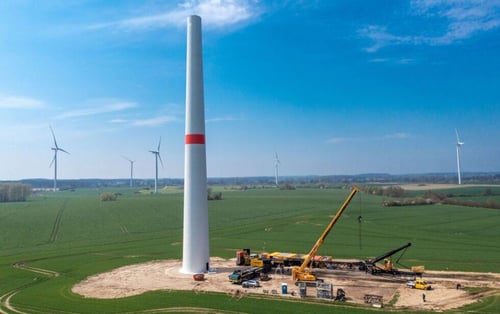 Possible subsidies for the development and construction of wind farms in the country, thanks to the electricity tax. European Newsroom
The Electricity Tax is a tax tool that, although may increase costs for consumers, it also contributes to sustainable development and the stability of the energy sector. For engineers and professionals in the sector, it is essential stay up to date and continue to learn about these topics in order to meet the challenges posed by the industry. Continuing Education and Specialization in areas such as the renewable energy production are key to advancing your career and contributing to sustainable development. We invite you to explore the catalog of online courses and master’s programs offered by Structuralia, an excellent option for continuing your education in these highly relevant fields.