Originally published on July 5, 2016; updated on November 21, 2024.
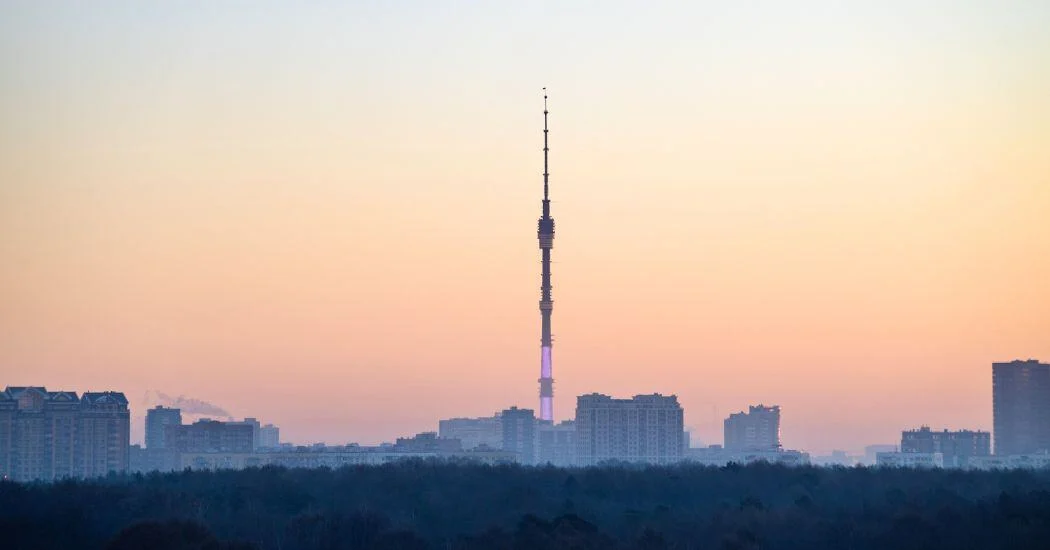
Learn about the Ostankino Tower, the tallest communications tower in Europe and one of the most interesting in terms of design.
On November 21, World Television Day, is a date that invites us to reflect on the impact of this medium on modern society. Since its invention, television has been a cornerstone of global communication and information dissemination. However, behind its success and reach lie key structures: telecommunications towers. These gigantic structures enable television and radio signals to reach millions of households, overcoming geographical obstacles and ensuring that content is available to everyone. Among these towers, the Ostankino Tower It stands out as one of the most iconic and vital platforms for media distribution worldwide.
A television and radio broadcast tower is a structure specifically designed to support and raise antennas that transmit television, radio, and other communication signals. These signals are transmitted across the electromagnetic spectrum, reaching great distances thanks to the tower's height and the power of the antennas. Height is a crucial factor, since it allows radio waves to travel farther and cover larger areas without interference. In addition, These towers are equipped with advanced technology which ensures signal stability and quality, even in adverse weather conditions.
Everything You Need to Know About the Ostankino Tower
The Tower Ostankino, located in Moscow, is a milestone in the history of telecommunications and a symbol of technological progress during the Soviet era. At 540 meters high, it is one of the telecommunications towers one of the tallest in the world, surpassed only by a few structures on other continents. Opened in 1967, the Ostankino Tower was designed by engineer Nikolai Nikitin, who drew inspiration from the shaped like an upside-down flower to create a structure that combines elegance and functionality. This tower has not only been used to transmit television and radio signals, but it is also a tourist attraction, with an observation deck offering panoramic views of Moscow.
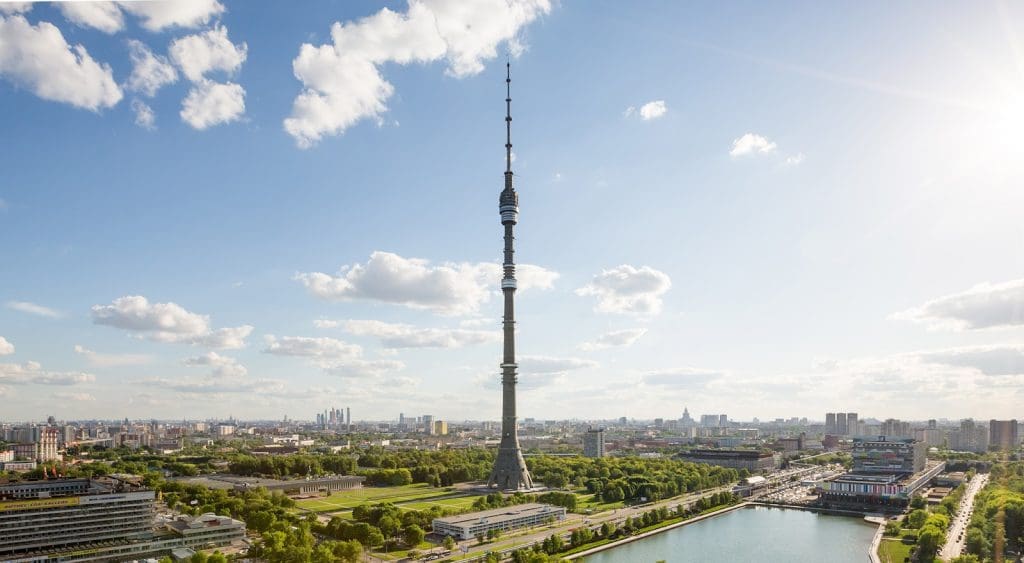
A view of the city with the Ostankino Tower in the center. Tvtower
The Architectural Design of the Ostankino Tower It's an engineering marvel. Its main structure consists of a reinforced concrete core, which provides it with the stability necessary to withstand strong winds and earthquakes that could affect the region. The base of the Ostankino Tower, which covers a considerable area, ensures its stability, while Its conical shape allows for even weight distribution, minimizing the risk of collapse. Throughout its history, the tower has witnessed several significant events, including a fire in 2000 that, although it damaged several sections, did not compromise its overall structure, thus demonstrating the strength and durability of its design.
The Challenges of Building Such Tall Towers
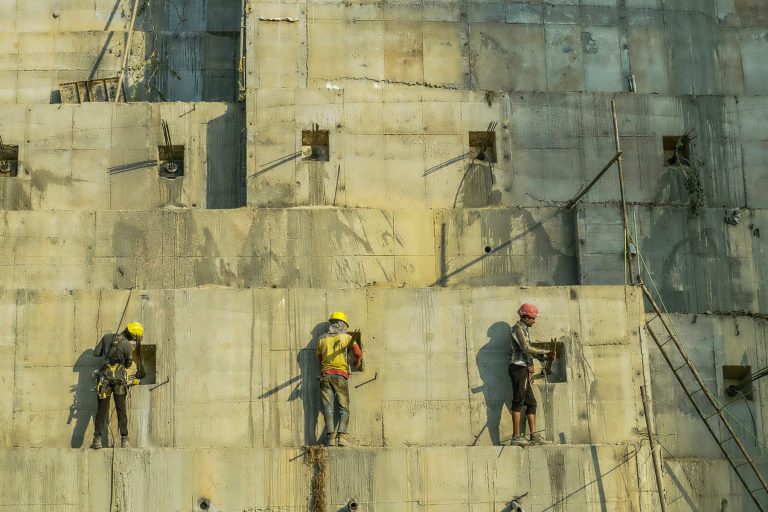
The construction of high-rise towers, such as the Ostankino Tower, presents a number of unique challenges. One of the main challenges is ensure the structural stability of the building under extreme weather conditions, such as strong winds, snow, and thunderstorms. This requires meticulous design and the use of high-quality materials that can withstand environmental wear and tear over time. In addition, the logistics of Construction at those heights requires extreme care to ensure worker safety, as well as in the planning and execution of each stage of the project to prevent accidents or costly mistakes. The Ostankino Tower is a prime example of how engineering and architecture can overcome these challenges and create structures that defy the laws of gravity and the test of time.
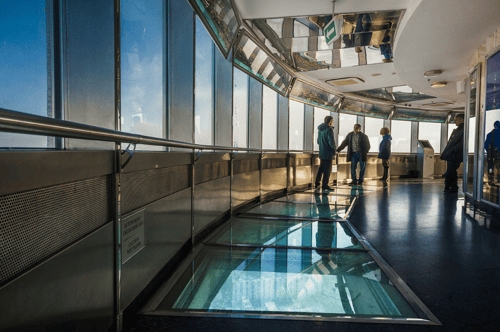
Inside the public area of the Tokyo Sky Tree. Russia Beyond ES
As part of the World Television Day, it is worth recalling the importance of telecommunications towers, such as the Ostankino Tower, which have been fundamental to the evolution of television and radio broadcasting. These structures not only represent technological advances, but also They are a testament to human ingenuity and creativity. For engineers and architects, it is vital to stay up to date and continue their education in areas that contribute to building the future, such as structural engineering and innovation in telecommunications. Structuralia offers an extensive catalog of online courses and master’s programs that can help professionals in the sector acquire the skills needed to tackle tomorrow’s challenges.