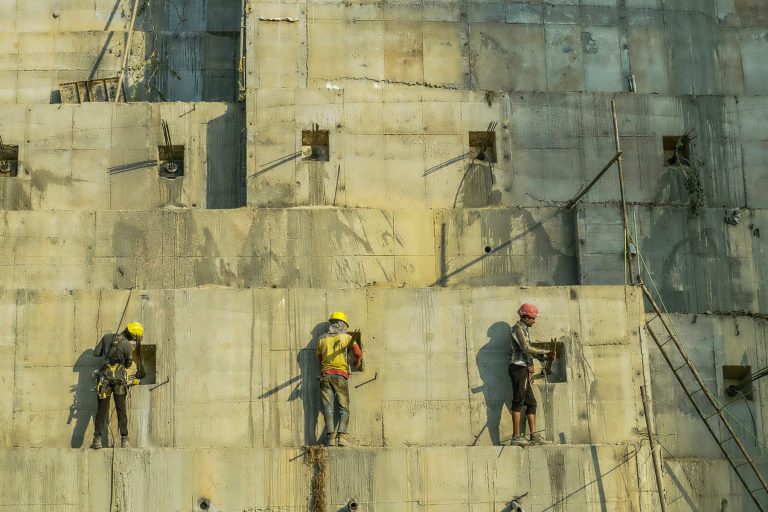
The Gulf Cooperation Council, comprising Saudi Arabia, the United Arab Emirates, Bahrain, Kuwait, Qatar, and Oman, is carrying out an ambitious project to connect its member states via a rail network more than 2,000 kilometers long that will link the region’s major industrial centers, cities, and ports.
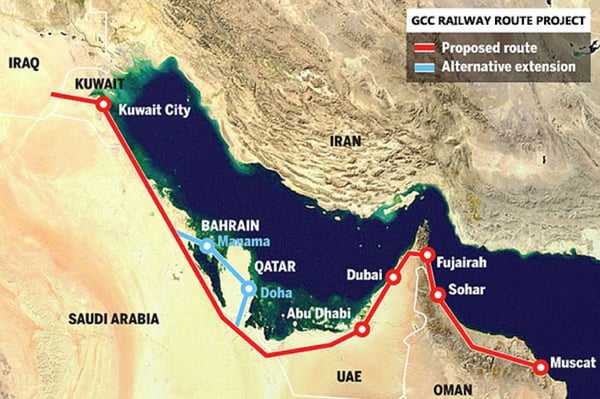
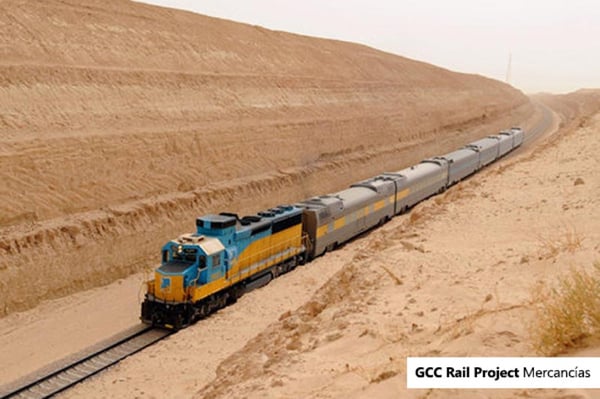
This extensive regional corridor, which will diversify transportation options, has multiple objectives: to improve connectivity, promote trade, drive growth, strengthen political and economic ties between countries, and reduce costs, fuel consumption, and carbon emissions associated with travel.
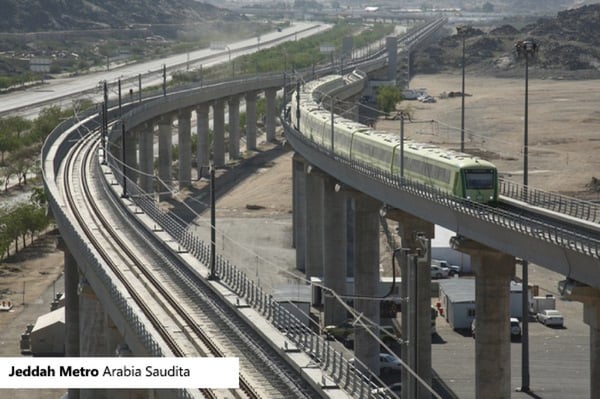
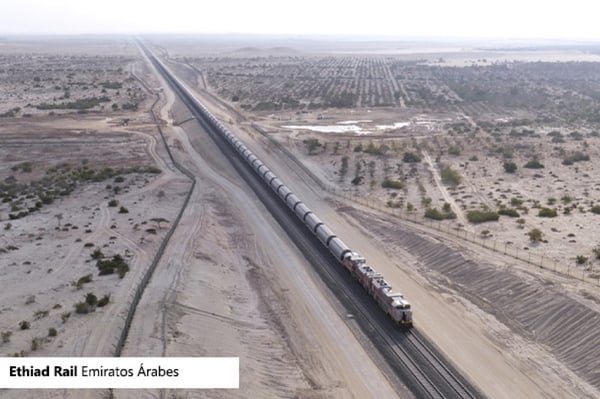
The project will include standard-gauge double tracks for passenger and freight service; 35 kilometers of tunnels, 45 kilometers of viaducts, and 39 kilometers of bridges. It will connect Kuwait with Muscat, passing through the cities of Doha, Abu Dhabi, and Dubai, among others. A total of 85 locomotives, 80 passenger cars, and more than 500 freight cars will need to be purchased. In addition to the overall network, each country is investing in improving local rail infrastructure, particularly Saudi Arabia, Oman, and the United Arab Emirates. The overall project, with an estimated cost of around 175 billion euros, will be operational in 2018. The initiative has also stimulated investment in the construction of stations, maintenance facilities, and control centers.

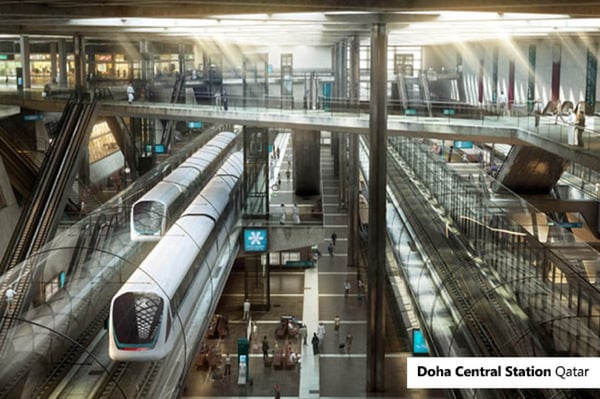
The greatest challenge facing this rail infrastructure project lies not only in the quality and efficiency of its technical execution, but also in maximizing its socioeconomic benefits and harnessing the enormous potential this project holds for the region’s comprehensive growth.