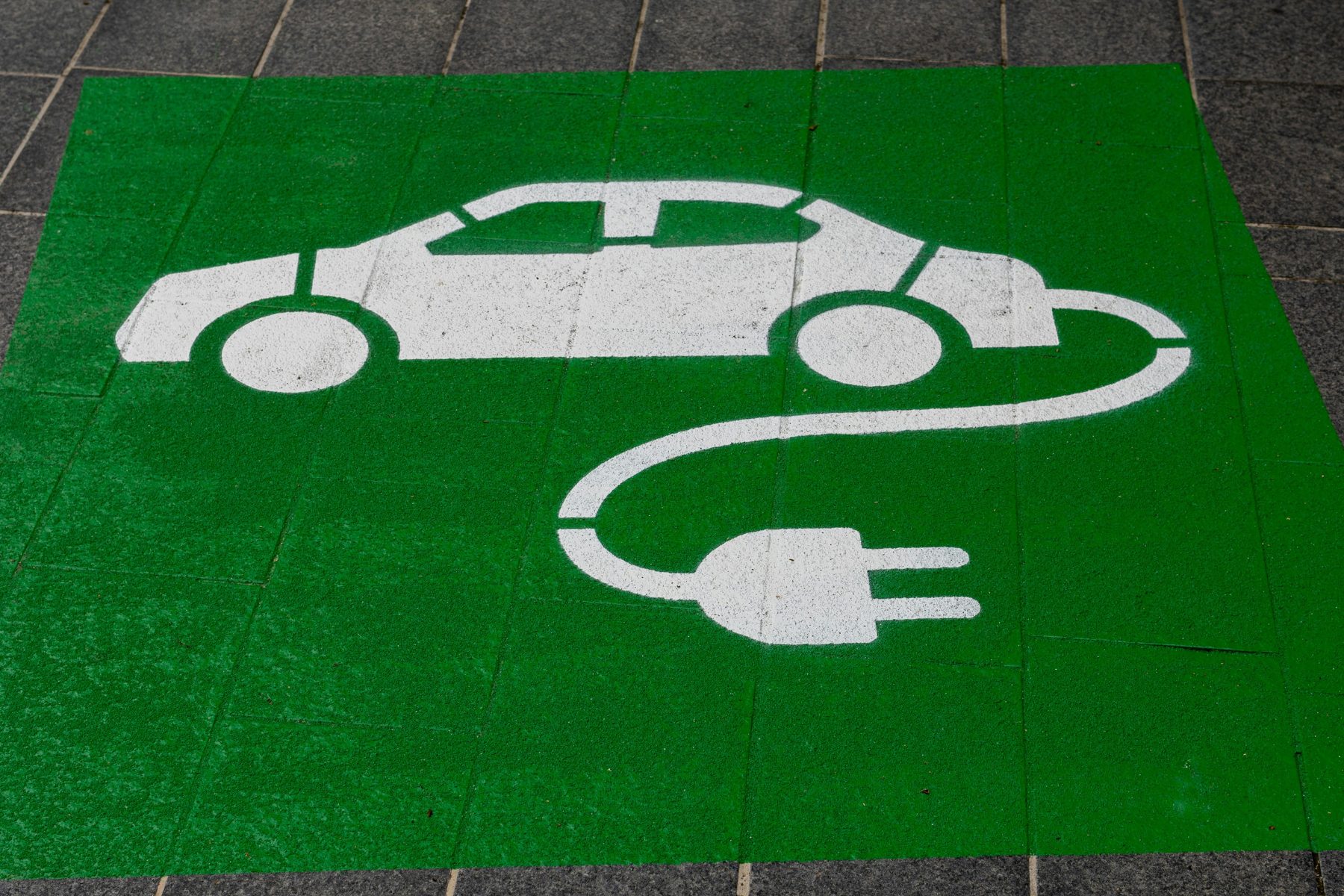
The electric mobility It has evolved from a niche technology sector into one of the most dynamic drivers of technical employment today. But the sector’s growth is running up against a familiar problem: a shortage of qualified candidates to meet the demand. Companies that recognize this before their competitors do will have an advantage in attracting talent.
The Electric Vehicle Boom and Its Impact on the Technical Job Market
The electric mobility sector in Spain It has experienced rapid growth in recent years, driven by the electrification of the vehicle fleet, the expansion of charging infrastructure, and investment in new battery manufacturing plants.
This growth translates directly into Jobs in electric mobility: Engineers, technicians, and specialists who previously worked in the traditional automotive industry are transitioning into roles related to electrification, and companies are competing for a pool of technical talent that the market does not yet produce in sufficient quantities.
The Electric Mobility Value Chain: Where Technical Talent Is Needed
The electric vehicle value chain It ranges from the design of batteries and energy management systems to the manufacture of components, the installation of charging infrastructure, and specialized after-sales services.
Each link in this chain requires different skill sets. One electric power infrastructure company It needs installation and maintenance engineers, while a battery manufacturer requires specialists in materials chemistry and thermal management systems. The technical talent required is not uniform: it varies depending on where the company is in the supply chain.
Most In-Demand Technical Roles in the Electric Mobility Sector
Battery and Energy Storage System Engineers
The Electric Vehicle Battery Engineer He is one of the most sought-after professionals in the market. His work encompasses the design, thermal management, and performance optimization of energy storage systems—an area undergoing constant technological evolution.
Power Electronics Specialists
LTraining in power electronics It is essential for those who work on the systems that manage energy conversion and distribution within the vehicle. It is a highly technical field, with demand growing at the same pace as the sophistication of the vehicles themselves.
Freight Infrastructure Technicians
Technicians specializing in electric charging infrastructure They install, maintain, and troubleshoot charging stations, both in residential settings and in public and corporate networks. This is one of the job roles with the fastest-growing immediate demand, because the expansion of the charging network is outpacing the availability of trained technicians.
Embedded Software Engineers for Vehicles
Electric vehicles rely on embedded software to manage everything from the battery to driver-assistance systems. Engineers with experience in this type of development are increasingly in demand by manufacturers and component suppliers.
Specialists in certification and regulations
The regulatory complexity surrounding the manufacture and installation of electric mobility technology requires specialists capable of ensuring compliance with safety and certification standards at both the national and European levels.
The talent gap in the sector: a shortage of qualified professionals
The talent shortage in electric mobility This is not a one-off problem; it is structural. The sector is growing faster than traditional education systems can produce specialists, which has led to intense competition among companies for the talent that is already available.
Added to this is the brain drain to the technology sector, where professionals with similar skills in electronics or software find attractive opportunities outside the automotive industry. Retaining and developing in-house talent has become a strategic priority for companies in the sector.
Key Skills for Electric Mobility Professionals
The technical expertise in electric mobilityThey combine knowledge of electrical and electronic engineering with a deep understanding of industry-specific regulations. The Training on Electric Vehicle Regulations It is just as important as pure technical knowledge, because a large part of the day-to-day work involves ensuring compliance with evolving safety standards.
Added to this is the need for cross-functional skills: the ability to work in multidisciplinary teams and to adapt to rapidly evolving technology.
Strategies for training for companies in the electric mobility sector
Upskilling of Traditional Automotive Professionals
The upskilling in electrification It is one of the most efficient strategies for meeting the demand for talent. Retraining engineers and technicians who are already familiar with the automotive sector to specialize in electric mobility is faster than training entirely new professionals from scratch.
Training on Specific Regulations
Keeping equipment up to date with certification and safety regulations requires ongoing training, not one-time training. Standards change frequently, and companies need internal processes to ensure they don't fall behind.
Specialized Certification Programs
The Technical Training on Electric Mobility for Businesses The most effective approach combines up-to-date theoretical content with real-world practical application. Structuralia develops electric mobility programs with active professionals from companies in the energy and industrial sectors, who bring firsthand knowledge of current technical challenges.
The Role of Training Partnerships in Developing Talent for Electric Mobility
The training partnerships in the automotive sector among companies, Educational institutions and specialized training providers are gaining prominence in response to the talent shortage. No single company can solve an industry-wide problem on its own, and training agreements allow for the sharing of costs, resources, and up-to-date technical knowledge.
These agreements also make it easier to tailor training to the industry's actual needs, rather than relying solely on general curricula that take years to update.
Trends in Technical Employment in the Electric Mobility Sector for the Coming Years
The Employment Trends in the Electric Vehicle Industry point to sustained growth in demand for freight infrastructure, energy storage systems, and embedded software. The integration of artificial intelligence in vehicle energy management will also give rise to new hybrid career paths that combine electrical engineering and data science.
The future of employment in the electric mobility sector will depend both on investment in infrastructure and on companies' ability to train talent at the pace required by the sector. Does your company have a clear plan to meet those technical talent needs, or is it competing for the same scarce talent as the rest of the market?