What is shale oil?
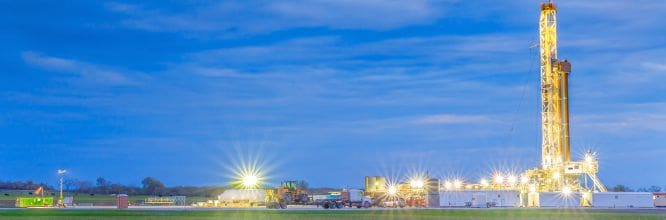
The shale oil (also known as shale oil (in English) is a type of unconventional hydrocarbon which is trapped in sedimentary rock formations, particularly in shales. Unlike conventional oil, which flows freely into production wells, shale oil requires special techniques to extract it, primarily through hydraulic fracturing (fracking) and horizontal drilling.
These technologies have revolutionized the global energy landscape, especially in countries such as United States, which has become one of the largest oil producers thanks to the exploitation of formations such as the Permian Basin, the Bakken or the Eagle Ford.
Production Boom and Geopolitical Consequences
Since the early 2010s, shale oil production has grown exponentially. This phenomenon, referred to by many as the “shale revolution”, has had significant global repercussions. On the one hand, it has reduced the energy dependence the United States compared to traditional exporting countries, such as Saudi Arabia or Venezuela. On the other hand, it has affected the prices of global crude oil market, by adding a significant additional source of supply.
As of mid-2025, U.S. shale oil production remains a key factor in the global energy balance. Although the growth rate has leveled off compared to previous years, new technologies and efficiency improvements continue to keep this resource competitive, even with prices per barrel below $70.
Environmental Impact and Controversies
One of the most debated aspects of shale oil is its environmental impact. The technique of hydraulic fracturing, which is necessary to free up the crude oil, involves injecting high-pressure water mixed with sand and chemical additives. This process has been linked to various problems:
- Aquifer Contamination due to chemical leaks.
- High water consumption, which is particularly problematic in arid areas.
- Induced Earthquakes, resulting from the injection of wastewater into deep wells.
- Fugitive emissions from methane, a greenhouse gas that is much more potent than carbon dioxide.
These impacts have led several European countries, such as France y Germany, impose moratoriums o prohibitions to the fracking. Even in the United States, states such as New York have adopted restrictive policies. Even so, other governments have continued to rely on this resource as part of their energy strategy.
Recent Technological Advances
One of the keys to maintaining shale oil production has been the continuous technological innovation. In recent years, significant progress has been made in:
- Well Design Optimization, which allows for greater recovery with less invasive treatment.
- Water Reuse in fracturing processes, thereby reducing the environmental impact.
- Implementation of smart sensors y big data to better predict the location of resources.
- Improvements in the use of renewable energy in the mining operations themselves, reducing the process's carbon footprint.
In addition, new research in fracking without water —using supercritical CO₂ or foams—promise to reduce water impacts, although their implementation is still in its early stages.
Economic Viability and Market Fluctuations
Shale oil is more expensive to extract than conventional oil. Therefore, its profitability depends largely on the international crude oil prices. During the COVID-19 pandemic, for example, many producers suffered losses or were forced to shut down operations. However, with the recovery in demand and greater resilience in the sector, many companies have managed to adapt.
In 2025, it is estimated that the break-even point The average for most shale wells is between $45 and $55 per barrel, which makes them competitive compared to other sources, especially in a context where efforts are being made to reduce dependence on more polluting fossil fuels such as coal.
Future Outlook
As the world moves toward a energy transition Based on renewable sources, the role of shale oil could change. Some experts believe it will serve as a “bridge fuel” toward a decarbonized economy. Others warn that continuing to invest in these types of operations could slow down the transition and contribute to the climate change.
The reality seems to lie somewhere in between. Although shale oil will not disappear in the short term, its production will likely decline in the coming decades as climate policies become stricter, incentives for renewables expand, and energy storage technologies improve.
In addition, the growing social and institutional pressure on the ESG criteria (environmental, social, and governance) considerations in the financing of energy projects could also limit the sector's future expansion.
Conclusion
Shale oil has radically transformed the global energy landscape in just over a decade. Its boom has brought benefits in terms of energy security and economic dynamism, but it has also led to serious environmental controversies and has raised ethical and climate-related dilemmas. The challenge now is to strike a balance between current energy needs and commitments to a more sustainable and resilient.
Meanwhile, shale oil will continue to be a major player in 21st-century geopolitics, although it will face increasing pressure from the demands of an inevitable ecological transition.
For those seeking to gain a thorough understanding of this phenomenon and its impact on geopolitics and energy sustainability, gaining expertise in the sector is key. The Master's Degree in Petroleum, Natural Gas, and Petrochemicals Structuralia offers a technical and strategic perspective that is ideal for professionals in the energy sector of the future.