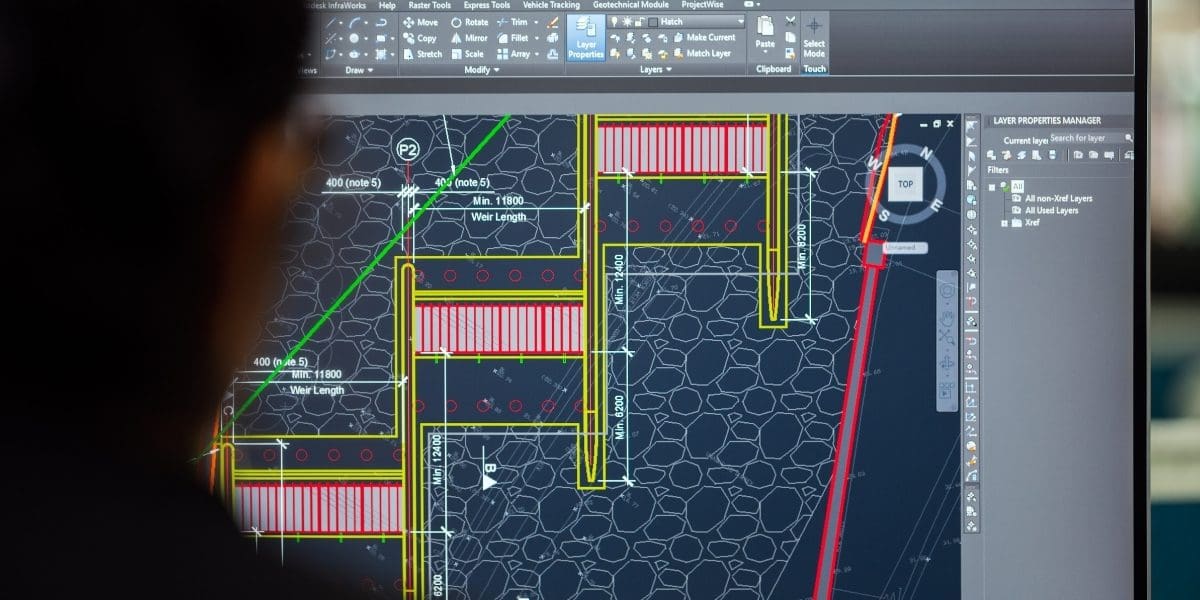
In recent years, the BIM (Building Information Modeling) has established itself as a transformative approach in the world of architecture, engineering, and construction. More than just software, BIM It represents a new way of thinking and working, based on collaboration, 3D visualization, and data management. To get the most out of it, it’s not enough to just use technological tools: you need a BIM Plan solid and strategic.
Institutions such as the Higher Council of the Architects' Associations of Spain (CSCAE) have actively promoted the development and adoption of the BIM among professionals in the sector, recognizing its value in improving the quality of architectural design and the efficiency of construction processes. This institutional commitment reinforces the importance of integrating the methodology BIM in a structured manner at all levels of the projects.
What is a BIM Plan?
The BIM Plan (or BIM Execution Plan, BEP) is a document that defines how the methodology will be implemented BIM for a specific project. It includes guidelines, standards, roles, workflows, tools, and information-sharing protocols. It is, in essence, the roadmap that aligns the team with the project’s digital objectives.
A good BIM Plan specifies:
- The expected level of development (LOD) at each stage.
- The responsibilities of each actor in the model.
- Types of Deliverables BIM.
- The file formats and platforms to be used (for example, interoperability between different BIM (software).
- The model's validation and quality control criteria.
Why is it key to the success of your projects?
Implement a BIM Plan It not only improves the quality of architectural design, but also makes it possible to optimize resources, reduce errors, and anticipate conflicts before construction begins. With BIM, everyone involved in the project—architects, engineers, builders, and project managers—works from a centralized model that is updated in real time and rich in information.
Without a clear plan, the use of the BIM can become chaotic: disorganized files, inconsistent information, delays in coordination, and increased costs. A BIM Plan A well-structured approach avoids these problems and ensures that the methodology serves as a true competitive advantage.
Keys to Successful Implementation
Below, we present the essential pillars for implementing a BIM Plan effectively:
1. Set specific goals from the start
Before you start modeling, you need to ask yourself: What will the BIM model? Is it intended solely for visualization and coordination, or also for construction planning, cost management, or future maintenance? Define the uses BIM From the very beginning, this will allow the team to focus its efforts on what really matters.
2. Establish clear roles and responsibilities
One of the most common mistakes in BIM implementation is ambiguity regarding roles. It is essential to define who will be the BIM Manager, the BIM coordinators in each discipline and among the modelers. Everyone must understand their roles and the scope of their work. This clarity prevents duplication of effort and improves communication.
3. Standardize processes and nomenclature
For multiple teams to work in a coordinated manner, it is essential to standardize criteria. The BIM Plan It must establish standards for modeling, file names, folder structures, element coding, and classification systems. This ensures consistency throughout the workflow.
4. Choose the right BIM tools
Although the term BIM is often associated with software such as Revit, Archicad, Allplan, or Navisworks—it is important to choose tools based on the team’s needs and capabilities. It is also essential to ensure interoperability between platforms, especially if multiple disciplines are involved in the design.
5. Provide ongoing training for the team
The successful implementation of BIM It depends largely on the human factor. It's not enough to have the best software BIM if professionals don't know how to use it. Investing in ongoing training is one of the most important keys to sustaining a methodology BIM over time.
6. Implement a review and control system
The BIM Plan It must include mechanisms to validate the quality of the models. This can be done through periodic reviews, control checklists, the use of clash detection software (such as Navisworks or Solibri), and coordination meetings. BIM. The goal is to ensure accurate and useful models for all phases of the project.
7. Integrate BIM throughout the project lifecycle
Although it is often used only during the design phase, BIM has enormous potential during the building's construction and operation phases. A BIM Plan Advanced software can integrate schedules (4D), cost estimates (5D), and data for the asset management (6D), maximizing the model's value.
Conclusion
The Methodology BIM In architecture and design, it is no longer a trend of the future: it is a reality of the present that is transforming the way we conceive and execute projects. However, for this transformation to be effective, simply using software is not enough BIM; it is essential to have a BIM Plan well-designed to serve as a guide for everyone involved.
Implement BIM A structured approach improves design quality, reduces errors, saves time and money, and results in more sustainable and efficient projects. In a context where innovation and digitalization are key to competitiveness, adopting an approach BIM Having a solid plan is, without a doubt, a smart strategic decision.
If you found this information interesting, feel free to visit our Master's Degree in Continuing Education in BIM Management You'll find all this and much more.