Did you know that polyurethane is found in everyday items such as your mattress, your kitchen refrigerator, and the wall insulation in many modern buildings? This versatile and highly durable material has become a key component of many everyday products and industrial solutions.
In this article, you'll discover What is polyurethane, what is its composition, and what are its main applications?, as well as learning about the advantages that make it one of the most widely used materials in construction, the automotive industry, household appliances, and more…
What is polyurethane?
Polyurethane is a a polymer formed by the chemical reaction between diisocyanates and polyols, two organic compounds that, when combined, form a very stable structure. This combination results in materials with varying densities, flexibility, and strength, which explains their wide range of applications.
Depending on its formulation, polyurethane can be rigid, flexible o thermoplastic, which allows it to adapt to needs as diverse as the manufacture of thermal insulation foam or the production of high-strength automotive parts.
What is polyurethane made of?
The chemical composition of polyurethane is based primarily on:
- Polyols: alcohols with multiple reactive groups that determine the material's flexibility.
- Diisocyanates: chemical compounds that provide stiffness and strength.
- Additives: expanding agents, catalysts, and stabilizers that allow the final properties to be adjusted.
Thanks to these variations in composition, it is possible to produce products with different characteristics: from lightweight, insulating foams to wear-resistant elastomers.
Main Uses of Polyurethane
The versatility of polyurethane makes it a key material in many industries:
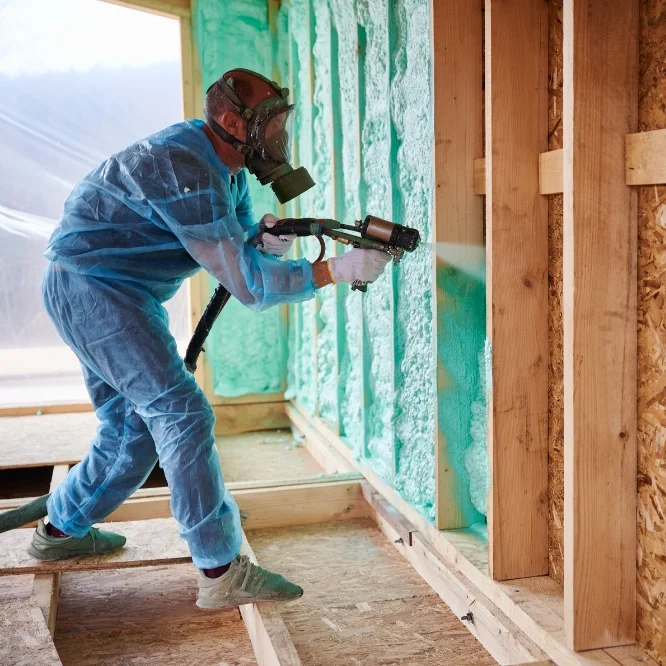
- Construction: as thermal and acoustic insulation for walls, ceilings, and floors.
- Automotive: in seats, interior trim, and components that require strength and lightness.
- Home Appliances: in the manufacture of refrigerators, freezers, and other appliances that require insulation.
- Furniture and Relaxation: mattresses, pillows, and flexible upholstery.
- Footwear Industry: lightweight, wear-resistant soles.
- Coatings and Paints: protection against moisture, chemicals, and abrasion.
Advantages of Polyurethane
Polyurethane stands out from other materials due to a number of benefits that make it a strategic choice in various industries:
- Excellent thermal and acoustic insulation: Its closed-cell structure traps air, making it ideal for reducing energy loss and noise.
- High mechanical strength: It withstands impacts, pressure, and wear and tear, retaining its shape and properties for years.
- Durability and Stability: It withstands the test of time, humidity, and temperature changes.
- Lightness: It provides strength without adding too much weight, a quality highly valued in the construction and automotive industries.
- Versatility of Use: Since it can be produced in rigid, flexible, or thermoplastic forms, it is suitable for a wide range of applications.
- Energy Efficiency: helps reduce energy consumption for heating, ventilation, and air conditioning (HVAC) and refrigeration, contributing to cost savings and sustainability.
Types of Polyurethane
There isn't just one type of polyurethane; rather, there are different variants tailored to the needs of each industry:
Flexible polyurethane
- Used in mattresses, pillows, sofas, and car upholstery.
- It is characterized by its elasticity and comfort, since it returns to its original shape after being compressed.
Rigid polyurethane
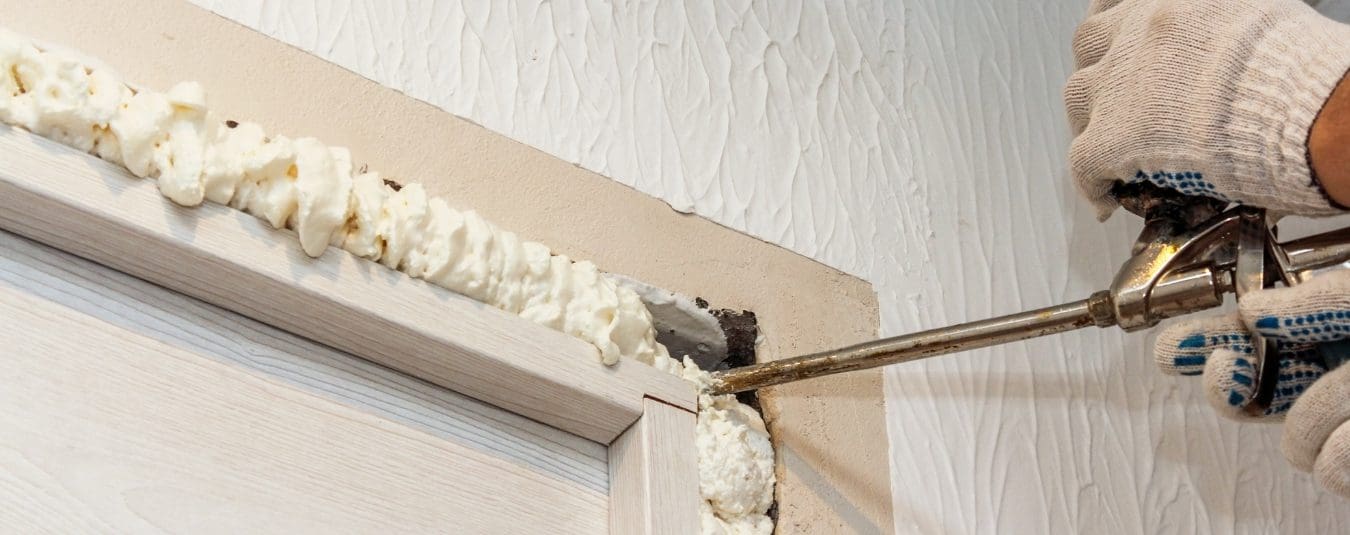
- Present at building insulation, sandwich panels, household appliances.
- It offers a superior thermal insulation, which is very lightweight and has high compressive strength.
Thermoplastic polyurethane (TPU)
- It is used in athletic footwear, technical parts, and industrial components.
- Combine elasticity, chemical resistance, and durability, and it is recyclable and reusable in some processes.
Comparison with Other Insulation Materials
When evaluating different insulation materials, polyurethane typically outperforms traditional materials such as glass wool or polystyrene. This is due to polyurethane’s properties, which include:
- Greater insulating capacity with a smaller thickness.
- Lower water absorption, which extends its service life.
- Better mechanical strength, thereby reducing damage during installation or use.
Sustainability and the Future of Polyurethane
Although polyurethane is a petrochemical-based product, the industry is moving toward more sustainable alternatives:
- Formulations made from renewable raw materials, such as polyols derived from vegetable oils.
- Recycling Processes that allow polyurethane waste to be reused in new applications.
- Development of Low-Emission Technologies, in compliance with environmental regulations.
This ensures that polyurethane remains a viable option for the future in a context increasingly focused on energy efficiency and sustainability.
Why Choose Polyurethane?
Polyurethane is much more than just a plastic material: it is a technical solution that combines insulation, durability, and versatility. From the comfort of a mattress to the efficiency of a refrigerator or energy savings in a building, this material has become an indispensable ally.
Are you interested in learning more about how to apply materials and structural calculations to real-world projects? Discover our Master's Degree in Structural Analysis and Design and gain specialized expertise through industry-leading training.