The rcomprehensive rehabilitation Building preservation is key to the future of the urban environment, helping to maintain its identity in a sustainable way.
Comprehensive Redevelopment to Revitalize the Urban Environment
In a context where cities are facing growing demand for space and construction costs are skyrocketing, the comprehensive rehabilitation Building retrofitting represents a strategic solution. These types of interventions not only address the need to optimize the use of urban space, but they are also an alternative more sustainable and economical compared to the construction of new buildings. In this article, we will explore the importance of the comprehensive rehabilitation and how it contributes to environmental protection, the creation of a sustainable future, and the improvement of urban conditions.
What is comprehensive rehabilitation, and why is it crucial?
The comprehensive rehabilitation is the process of renovating and improving an existing building to meet current standards for livability, energy efficiency, and accessibility, without altering its fundamental structure. This approach isn't particularly innovative, but it's becoming increasingly relevant today, as it allows for lower costs compared to new construction, reduces the associated environmental impact through demolition and construction, and contributes to the revitalization of urban areas. By preserving and improving the built heritage, the comprehensive rehabilitation Not only does it breathe new life into buildings, but it also enhances comfort in cities, promoting healthier and more sustainable environments.
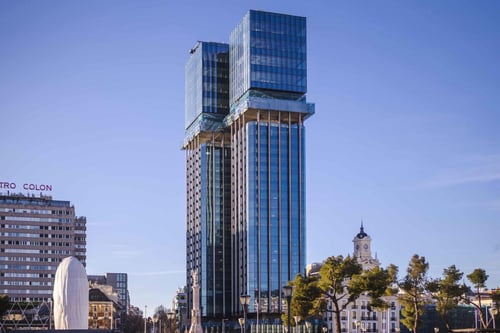
Comprehensive renovation of the Colón Towers in Madrid. Idealist
Key Considerations in Comprehensive Building Renovation
Starting a project to comprehensive rehabilitation It requires meticulous planning and a deep understanding of several basic aspects. First of all, it is essential assess the current condition of the building, prioritizing areas that require urgent action and those that can be improved to increase energy efficiency and functionality. This initial assessment makes it possible to establish a detailed action plan and identify interventions based on their urgency and feasibility.
Another crucial aspect is the selection of sustainable materials and technologies. Choosing energy-efficient solutions that have a lower impact on the natural environment is a practice that not only benefits the Earth but can also result in significant long-term savings. The installation of thermal insulation systems, the use of products cradle to cradle and the installation of smart building management systems are just a few of the improvements that can be considered.
In addition, the comprehensive rehabilitation must take into account improvements to the building's accessibility and safety. This involves adapting the spaces to comply with the recent universal accessibility regulations and ensure that all facilities comply with current safety standards. The integration of technologies that improve mobility and access, such as elevators and ramps, is important to ensure that the building is inclusive and functional for everyone.
Technology in the Service of Comprehensive Rehabilitation
In the digital age, technology plays a leading role in the comprehensive rehabilitation of buildings, facilitating the planning, execution, and monitoring of projects. One of the most prominent tools in this field is Building Information Modeling (BIM). Building Information Modeling allows for the creation of detailed digital representations of the construction project, integrating information on all structural elements and systems. This software not only improves the accuracy of planning and design, but also facilitate coordination among the various professional teams, optimizing project timelines and costs.
In addition to BIM, other technologies—such as drones for inspections, 3D printing for creating custom parts, and augmented reality systems for displaying changes in real time—are changing the way projects are carried out in comprehensive rehabilitation. These technologies not only improve the efficiency and precision of construction projects but also enhance the final quality of the project, ensuring more sustainable and long-lasting results.
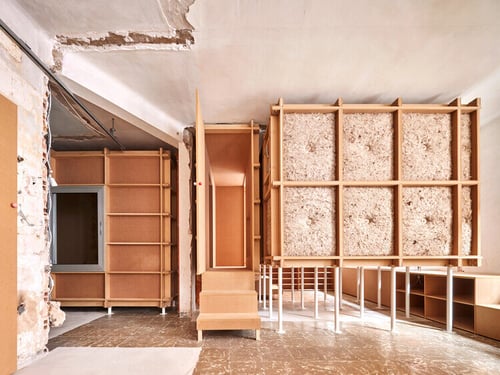
Casa 10K by Takk Arquitectos, a revolutionary and sustainable example of comprehensive space renovation. Archdaily
The comprehensive rehabilitation Building energy efficiency is essential for building a sustainable and more efficient future. The benefits it provides in terms of energy savings, cost reduction, and improved urban conditions are significantly important. However, to maximize their positive impact, it is extremely important for architects and engineers to stay up to date and maintain expertise in emerging technologies and methodologies.
With that in mind, we invite you to explore the catalog of online courses and master’s programs offered by Structuralia in the fields of engineering and innovation. Continuing education is key to stay at the forefront and contribute to the society of the future. To remain informed and trained It not only improves our professional skills, but also allows us to provide more effective and sustainable solutions for every project comprehensive rehabilitation.