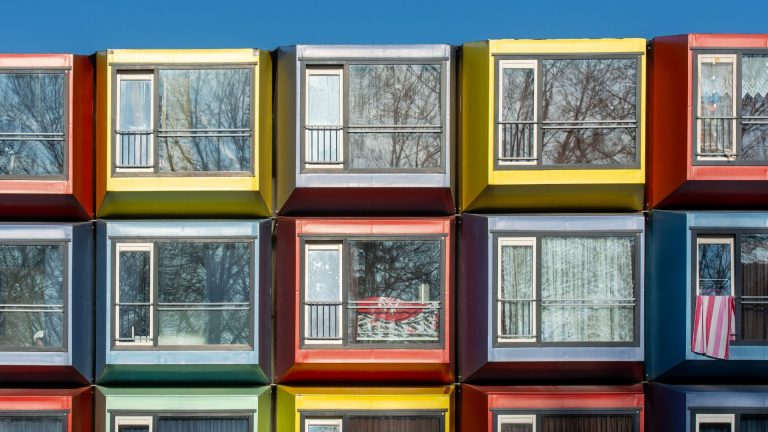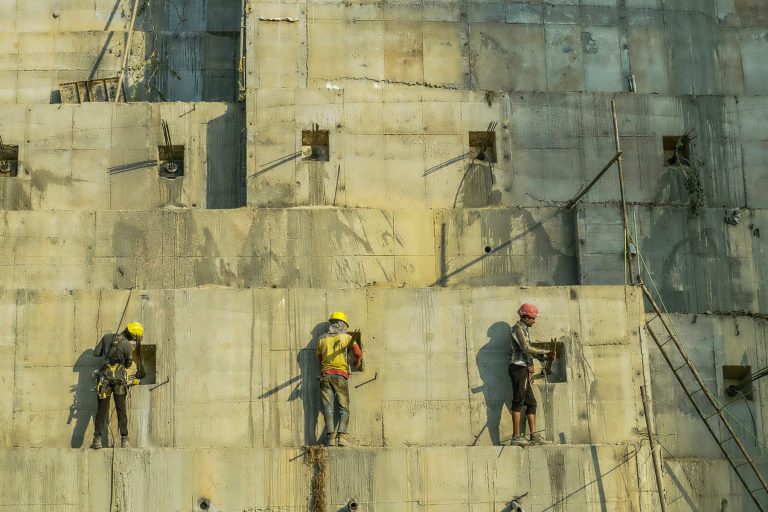
The exterior thermal insulation system has become a key tool in the construction sustainable, noted for its flexibility in building construction. In recent years, its use has increased exponentially due to the growing need for reduce the environmental impact resulting from energy inefficiency in buildings. Sustainable construction aims to minimize energy consumption and carbon emissions into the atmosphere, and this system offers an effective solution for achieving that goal.
What is an exterior thermal insulation system (ETIS)?
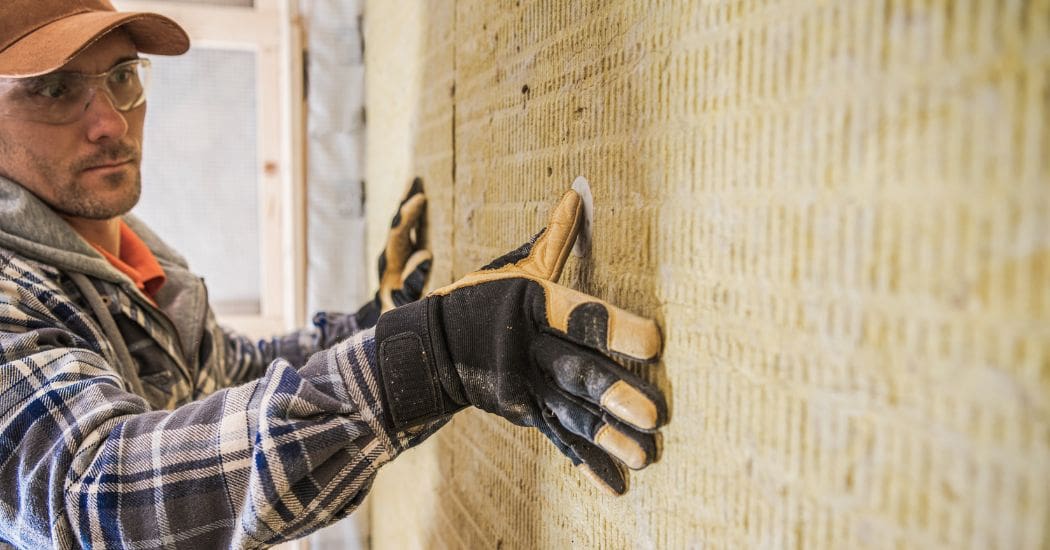
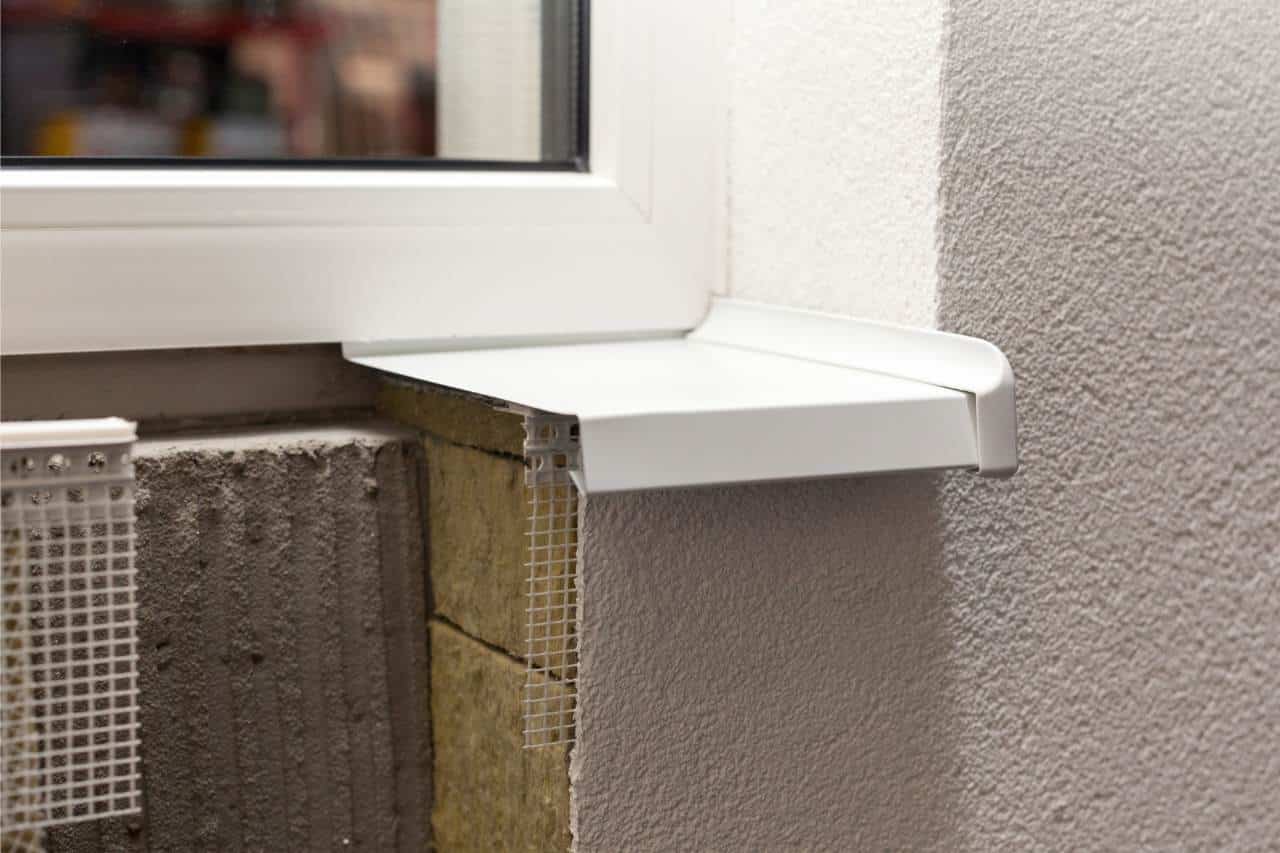
The exterior thermal insulation system o SATE is a construction technique that involves applying a layer of insulating material to the exterior of the facades of new or existing buildings. This system consists of several layers: an insulating layer (which can be expanded polystyrene, mineral wool, or polyurethane foam), a reinforcement layer which includes a fiberglass mesh, and Finally, a finishing coat which protects the facade and gives it its final appearance. These materials work together to improve the building's energy efficiency by minimizing heat loss in the winter and overheating in the summer.
Advantages of the exterior thermal insulation system
The exterior thermal insulation system It offers numerous advantages over traditional insulation methods. In technical terms, one of the most important advantages is the reduction of heat transfer. The thermal transmittance value, also known as heat transfer coefficient o U-Value, is a key indicator in assessing a building's energy efficiency. With the use of SATE, buildings can achieve thermal transmittance values as low as 0.15 W/m²K, which is a significant improvement over the typical values for buildings with conventional insulation, which are around 0.3 W/m²K.
From an economic perspective, this improvement in thermal transmission results in significant energy savings. According to recent studies, buildings that use exterior thermal insulation systems can reduce their energy consumption by up to 40%. This is directly reflected in a lower heating and cooling costs, which, in the long run, justifies the initial investment in this type of insulation. In addition, the use of SATE can help extend the service life of building materials, by protecting facades from the elements, putting off necessary maintenance.
Considerations for Implementing SATE
When it comes to choosing the exterior thermal insulation system When considering this as a solution for our projects, it is essential to take several technical and practical aspects into account. First of all, The choice of insulation material is extremely important; depending on the climate and the specific conditions of the building, materials should be chosen that adequate thermal, acoustic, and fire-resistance properties. For example, in areas with high thermal demands, mineral wool may be preferable due to its low thermal conductivity and high fire resistance.
Another aspect to consider is the Compatibility of the SATE with the existing structure of the building. Not all buildings are ideal for installing a exterior thermal insulation system without first making adjustments. It is essential to perform a preliminary study to determine the facade's ability to support the additional weight and to ensure that the installation does not adversely affect ventilation and humidity levels inside the building.
Finally, it is important to keep in mind local regulations and energy certifications. Compliance with these regulations not only ensures the safety and efficiency of the system, but also It can offer tax benefits and provide access to grants aimed at improving energy efficiency in construction.
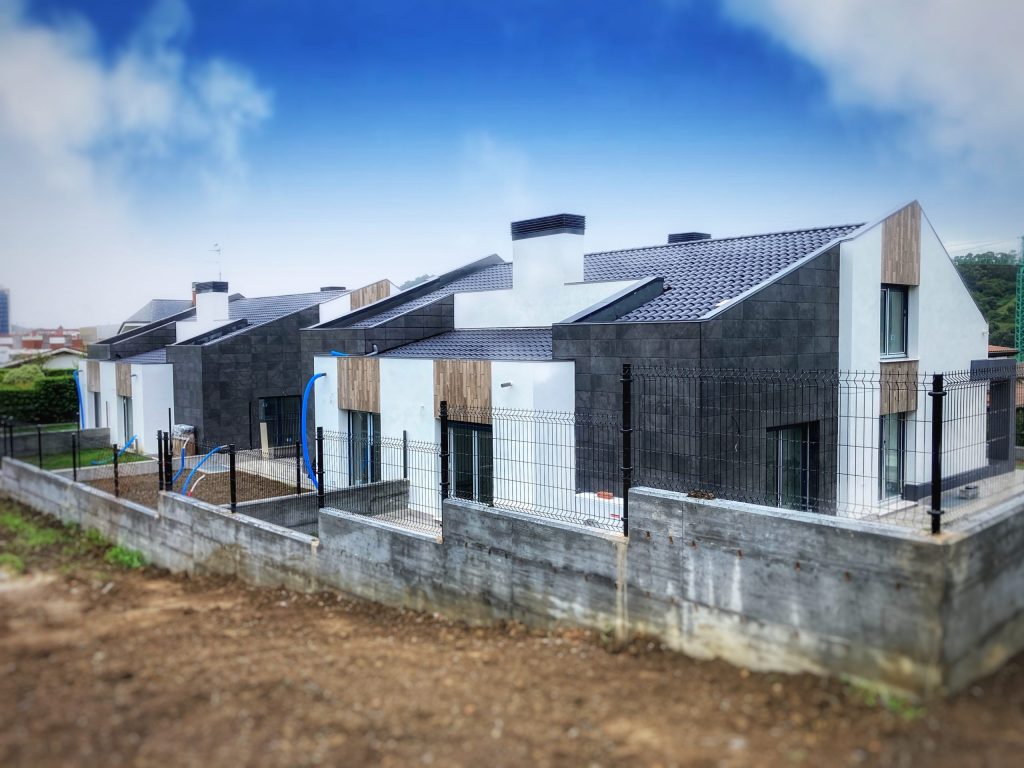
The exterior thermal insulation system It is presented as an effective and sustainable solution for improving energy efficiency in buildings. However, Its proper implementation requires in-depth and up-to-date knowledge of materials, techniques, and regulations. As architects and engineers, it is vital that we continue our training and specialization in these areas to contribute to the development of a more sustainable society. To that end, we invite all professionals in the sector to Explore the catalog of online courses and master's programs offered by Structuralia, particularly the Master's Degree in Energy Efficiency and Sustainability in Building Construction, which provides the tools needed to lead in the field of sustainable construction.