In a urban environment increasingly affected by climate change, unchecked growth, and soil sealing, the Sustainable Urban Drainage Systems (SUDS) are emerging as an effective and environmentally friendly alternative to storm drains conventional. Its main objective is to efficiently manage the urban stormwater drainage, minimizing the impact of rainfall on infrastructure, the environment, and citizens' quality of life.
What are Sustainable Urban Drainage Systems (SUDS)?
When it rains continuously, water usually cannot seep into the ground because it is covered with asphalt, concrete, or brick. This causes water to run down the streets, pool, and cause flooding… and wash all the dirt from the streets into the rivers.
To address this problem, the following have been developed: sustainable urban drainage systems: a set of sustainable urban drainage techniques that seek to mimic the natural water cycle in built environments. Instead of channeling all the water into the sewer system, SUDS promote its infiltration into the soil, temporary storage, reuse, or even controlled evaporation. This not only helps prevent flooding but also recharges aquifers and improves the quality of the water that returns to the environment.
These systems are of great help in protecting the environment and offer significant benefits in areas such as:
- Control and reduction of runoff volume and velocity.
- Prevents pollution of rivers and aquifers.
- It promotes biodiversity and urban resilience.
- It promotes the reuse of rainwater.
Would you like to learn about more practical examples and effective solutions? Check out this specialized article on rainwater harvesting systems and discover how they are applied in different urban contexts.
How a Sustainable Urban Drainage System Works
A Sustainable Urban Drainage System (SUDS) It works by mimicking the behavior of the natural water cycle, efficiently and ecologically managing the Rainwater in Urban Environments. Unlike the conventional system, which quickly discharges water through the sewer system, sustainable urban drainage aims to collect, filter, infiltrate, store, and reuse rainwater right where it falls.

1. Stop
When it rains, the system collects the water that falls on impervious surfaces (streets, roofs, plazas, etc.). This is done through elements such as:
- Permeable pavements.
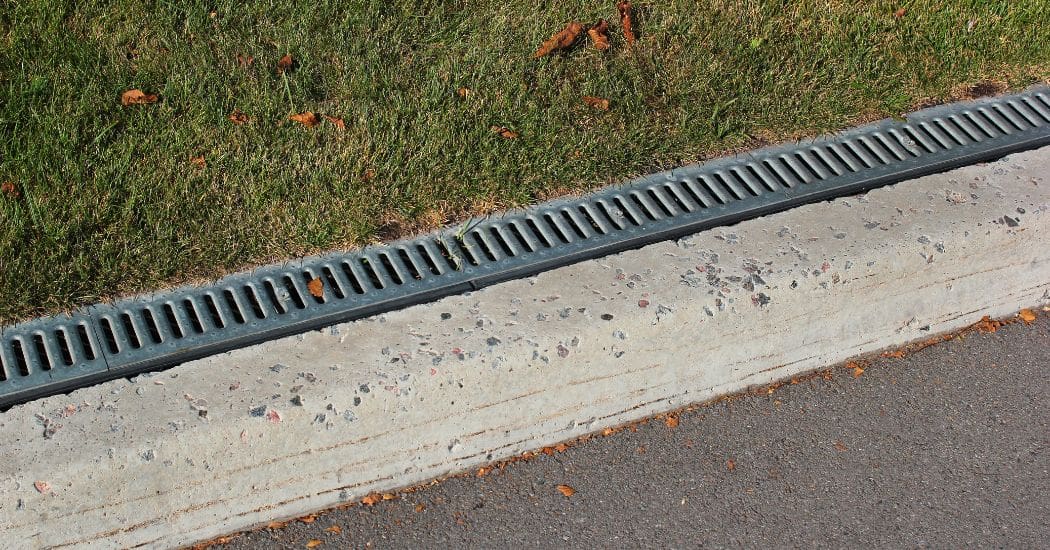
- Drainage ditches.
- Rain Gardens.
- Green Roofs.
2. Slow down
The collected water seeps into the ground, helping to recharge underground aquifers and reduce the flow of water entering the sewer systems. This is especially useful in highly urbanized areas, where the natural soil has been replaced by asphalt or concrete.
3. Temporary storage
Some of the water is stored in a controlled manner in ponds, cisterns, or underground reservoirs. This allows for:
- Prevent flooding during periods of heavy rain.
- Release the water gradually to reduce flow peaks.
4. Infiltrate
The seepage water The water—whether surface or stored—is naturally purified by vegetation, filter media, and biological processes in the soil. Sediments, heavy metals, oils, and contaminants are removed.
5. Reuse or Controlled Release
Water can be:
- Reused for watering green spaces or street cleaning.
- Returned to natural waterways or the sewer system, but gradually and cleanly, thereby preventing overloads and pollution.
Overall, sustainable urban drainage systems allow for the water will once again behave as it does in a natural environment, reducing risks, improving environmental quality, and helping to build more resilient cities.
Types of SUDS and Components
Permeable pavements
Blocks, resins, or pavers with permeable joints that allow rainwater to pass through and infiltrate the soil, rather than running off the surface, as it would on traditional pavement (such as asphalt or concrete).
Its main objective is reduce runoff (the water that runs off the surface when it rains), prevent flooding, improve water quality, and recharge underground aquifers.
How are they designed?
Permeable pavement typically consists of several layers:
- Permeable surface layer: These include open-jointed pavers, stabilized gravel, porous concrete, or even grass with a reinforced base.
- Drainage Subbase Layer: made of materials such as coarse gravel, which allows for temporary water storage.
- Geotextile (optional): a mesh that separates the natural soil from the upper layers, preventing it from mixing or becoming clogged.
They are ideal for:
- Parking lots.
- Pedestrian trails.
- Public squares.
- Vehicle Entrance.
Infiltration ditches
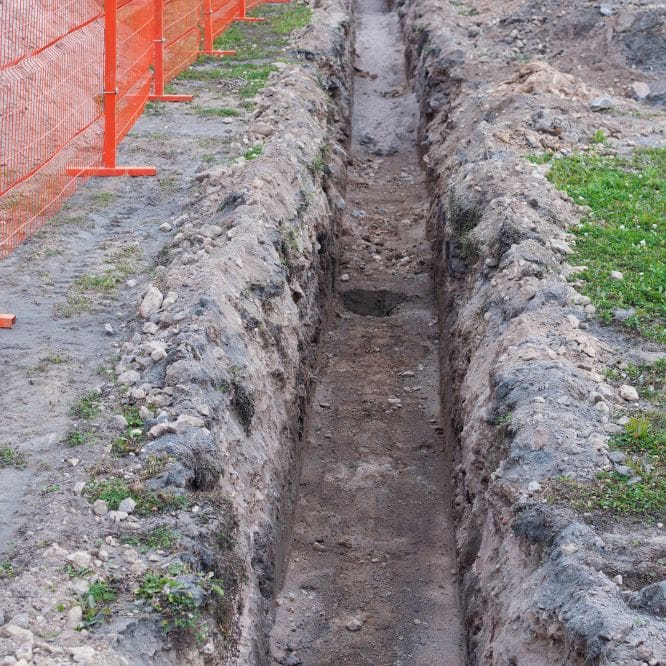
They are among the Paved surfaces and the natural environment. These are narrow, shallow channels dug into the ground and filled with gravel or stone, designed to collect, store, and allow rainwater to infiltrate directly into the subsoil.
How are they designed?
One infiltration trench It consists of several key elements:
- Elongated excavation: A trench with a slight slope is dug, usually parallel to a street, road, or impervious area.
- Filling with drainage material: It is filled with gravel, stone, or coarse aggregate, which allow water to pass through.
- Geotextile (optional): a special fabric that covers the trench to prevent the soil outside from clogging it.
- Overflow or emergency outlet: It is usually used when the rain is too heavy.
They are very common in:
- Sides of streets or roads.
- Parking lots.
- Residential developments.
- Public parks and gardens.
Retention ponds
The retention ponds Their main function is: temporarily store water rainwater during heavy storms so that it can then be released gradually and in a controlled manner. This helps prevent flooding, relieves pressure on sewer systems, and protects rivers and ecosystems.
How are they designed?
A retention pond can simply be a landscaped area bowl-shaped, or a more technical structure with elements such as:
- Gentle slopes (to safely contain water).
- Permeable or impermeable base (depending on whether you want to allow infiltration or just store water).
- Vegetation (helps filter and evaporate water).
- And a controlled discharge system (pipes, gates, or spillways).
They can be found at:
- Urban green spaces.
- Parks.
- On the edges of residential developments or even on infrastructure such as roads.
Some are designed as scenic lagoons or ponds, so they also improve the visual environment y attract biodiversity.
Rain Gardens
The rain gardens They are shallow depressions in the ground, strategically designed to collect water running off roofs, streets, or sidewalks. This prevents water from being wasted, allowing them to act as a natural sponge that:
- It retains water on a temporary basis.
- Filters out contaminants such as oils and heavy metals.
- Allows the water seeps in slowly on the floor.
- Recharge Aquifers and improve soil health.
How is it designed?
A well-designed rain garden includes:
- Service area: a depression or basin where the water collects.
- Filter medium: a mixture of soil, sand, and compost that promotes drainage.
- Gravel layer: to improve drainage and prevent puddles.
- Plants adapted to the local climate: hardy species that can withstand both excess and lack of water, and that help purify it.
They can be found at:
- Private patios and gardens.
- Urban parks.
- Pedestrian zones.
- School or institutional settings.
Plant cover
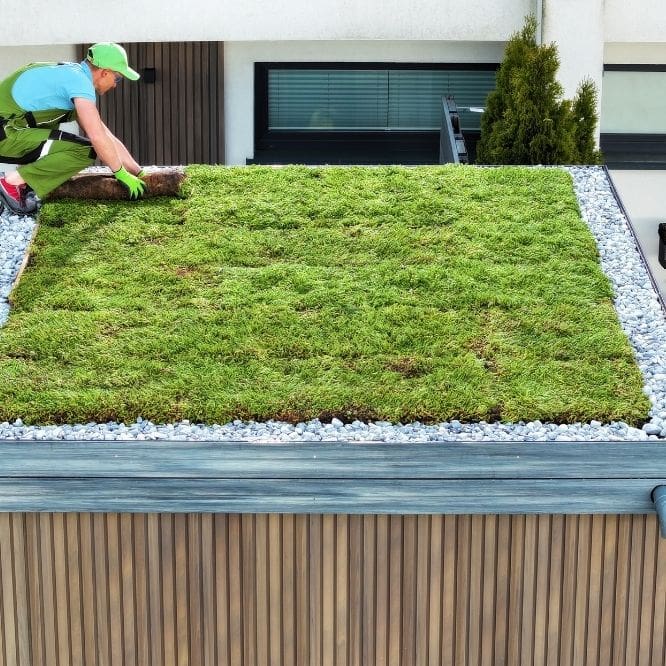
Imagine walking up a building and finding, instead of a gray, lifeless roof, a garden full of plants, flowers, and even small trees. Not only is it visually appealing, but it’s also a system that transforms a building’s roof into a green, living surface capable of absorbing rainwater, cooling the environment, and improving air quality.
How does a green roof work?
One vegetation cover It consists of several special layers that allow plants to grow without damaging the building's structure. These layers include:
- Waterproof membrane, so that water doesn't seep down.
- A drainage system, which controls excess water.
- One lightweight substrate layer, similar to soil, where plants grow.
- Selected Vegetation, from grass and succulents to shrubs and native flowers.
Everything is carefully designed to function like a miniature version of the natural ground… but on the ceiling!
When it comes to integrating green solutions (such as rain gardens or green roofs) into complex urban environments, it is essential to understand both the technical and environmental aspects. That is precisely the focus of the Master's Degree in Environmental Engineering, which combines sustainable planning, impact assessment, and the use of technology to learn how to minimize the city's water footprint.
Conclusion
The sustainable urban drainage systems not only represent the cutting edge in the management of urban stormwater drainage, but they are also key to building smart and resilient cities. Incorporating urban stormwater drainage Through these systems, we help improve quality of life, protect the environment, and ensure a more sustainable future for everyone.