Originally published on July 20, 2021, Updated on October 21, 2024.
The solar power plants are essential to the future of clean energy, and these are the The 5 most common types.
Solar Power Plants: The 5 Most Common Types
Electricity is essential to development and quality of life in modern society. However, its production and consumption come at a significant economic and environmental cost. In this context, solar power plants are emerging as a sustainable and effective solution for generating electricity. In commemoration of the World Energy Conservation Day On October 21, it is crucial to discuss and understand the vital role of solar power plants in the transition to cleaner and more sustainable energy sources.
What Are Solar Power Plants?
Solar power plants are facilities designed to convert the sun's energy into electricity, harnessing an abundant source of renewable energy. They operate using solar panels or mirrors that capture and concentrate sunlight, converting it into thermal or electrical energy. A notable example of a solar power plant is Horus Energy in Guatemala, which stands out for its innovative approach to sustainable energy generation and its contribution to the country's electricity supply.
Horus Energy uses advanced technologies to maximize efficiency and minimize environmental impact. Its operation not only represents a significant advance in Guatemala's energy infrastructure, but also serves as a model for other developing countries that are seeking to adopt renewable energy sources.
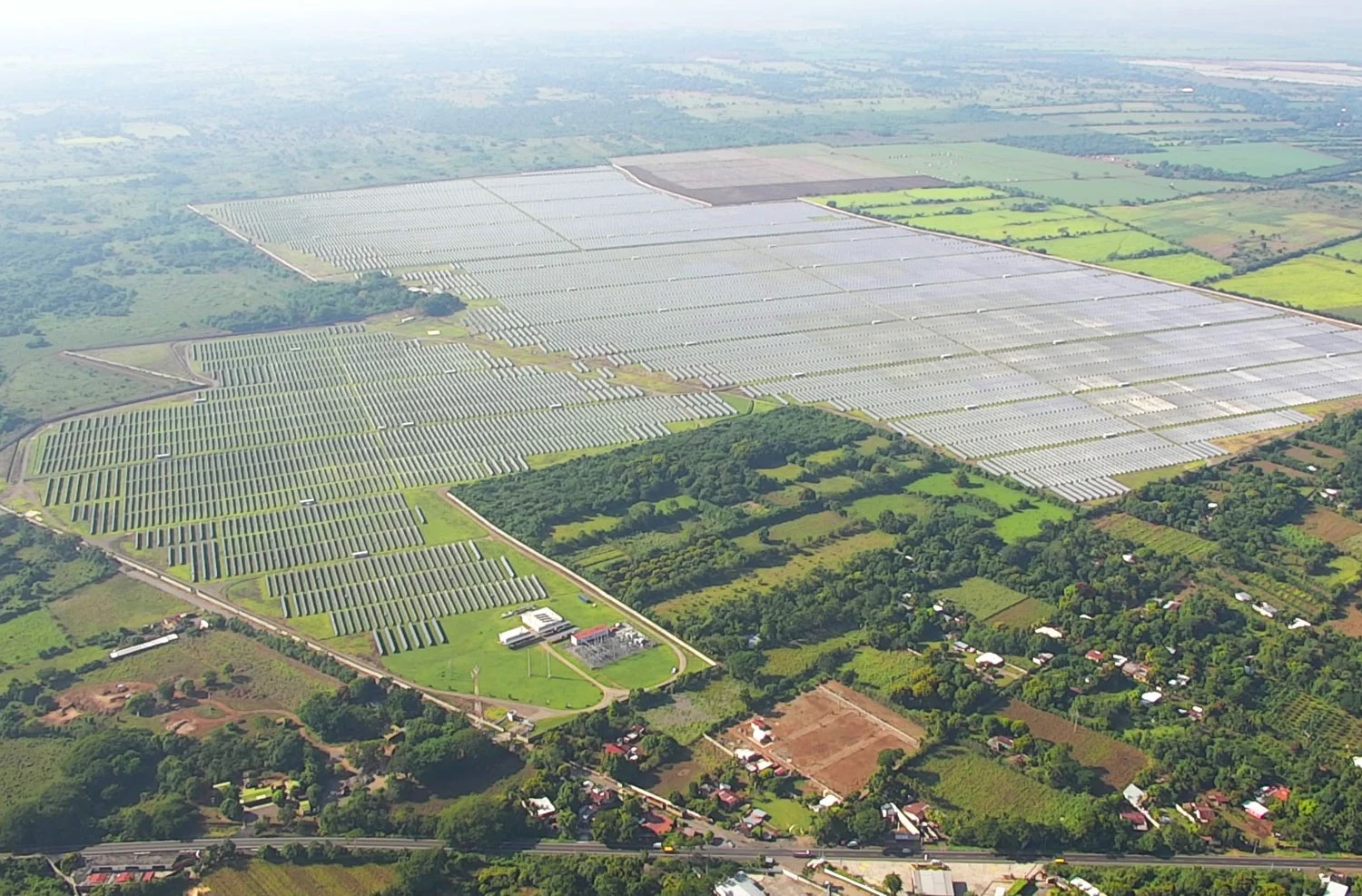
Horus Energy's facilities, one of the largest solar power plants in operation today. PrensaLibre
5 Most Common Types of Solar Power Plants
We can identify several types of solar power plants based on how they convert energy:
1. Photovoltaic Energy
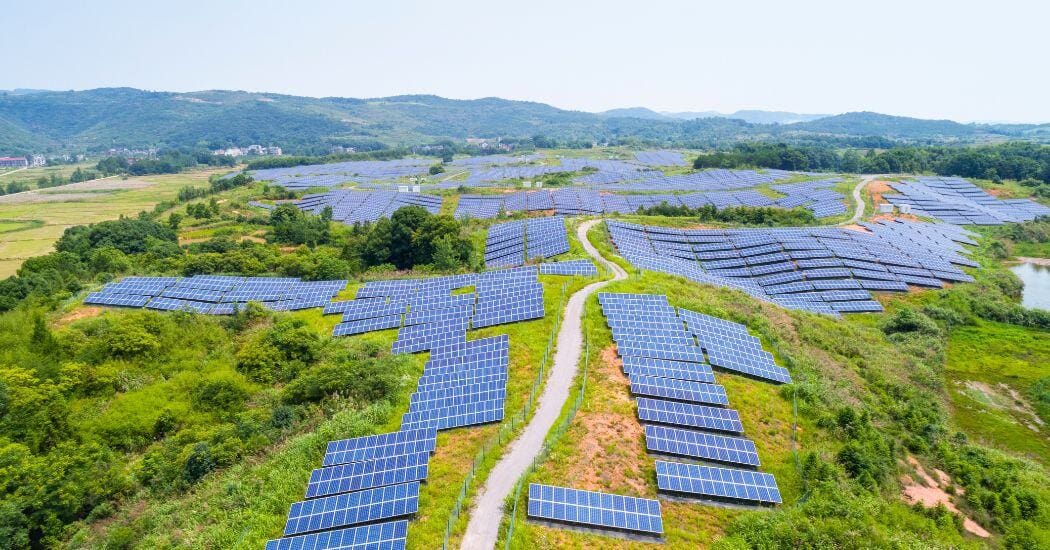
Solar photovoltaic power plants directly convert sunlight into electricity by using solar panels. These panels are made up of solar cells that generate an electric current when exposed to light. This type of energy is especially useful in areas with high solar radiation and has seen a rapid decline in costs in recent years, making it increasingly accessible.
2. Energy from a Conventional Flat-Plate Solar Collector
Conventional flat-plate solar collectors are devices that They capture solar energy to heat a fluid, usually water, which is then used to generate electricity or for heating applications. These systems are common in residential and commercial applications, where they are used to heat water for domestic or industrial use.
3. Energy from a Vacuum Solar Collector
Vacuum solar collectors are a more efficient version of flat-plate collectors, since they use vacuum tubes to reduce heat loss. These systems are especially useful in cold climates, where energy collection efficiency is crucial. Vacuum collectors can reach higher temperatures, which makes them suitable for industrial processes that require high temperatures.
4. Energy per Linear Concentration
Linear concentrated solar power plants use mirrors or lenses to focus sunlight onto a receiver line containing a heat-transfer fluid. This fluid is heated and then used to generate steam, which in turn drives a turbine to generate electricity. This type of technology is more efficient in large-scale installations and is well-suited for regions with high solar radiation.
5. Energy from Central Tower Solar Furnaces
Central-tower solar furnaces, also known as solar tower power, use a series of heliostat mirrors that track the sun and reflect sunlight onto a receiver located at the top of a central tower. The receiver heats a fluid, which is used to generate steam and produce electricity. This technology makes it possible to reach extremely high temperatures, thereby improving the efficiency of electricity generation.
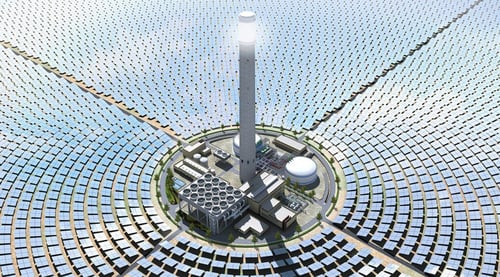
Example of a tower-type solar power plant. Evwind
In conclusion, solar power plants account for a promising solution for generating clean and sustainable energy. In the context of World Energy Conservation Day, it is essential that professionals in the energy sector continue to explore and refine these technologies. Engineers are invited to Do not neglect continuing education and specialization in topics such as this one, and to explore the catalog of online courses and master's programs it offers Structuralia on renewable energy production, which offer an invaluable opportunity to keep pace with technological advances and contribute significantly to the planet's energy future.