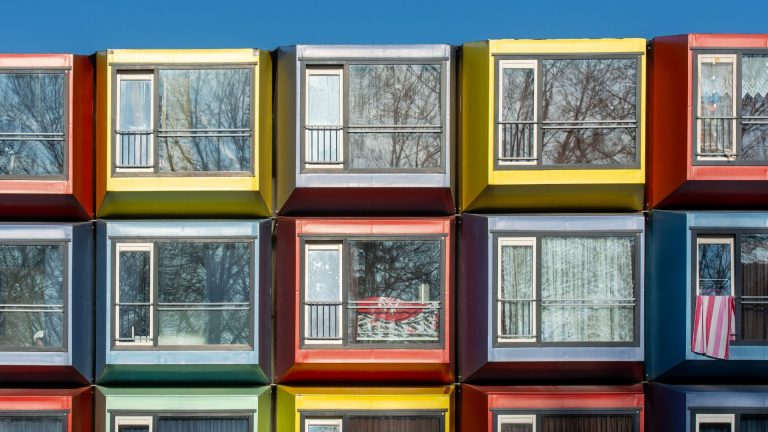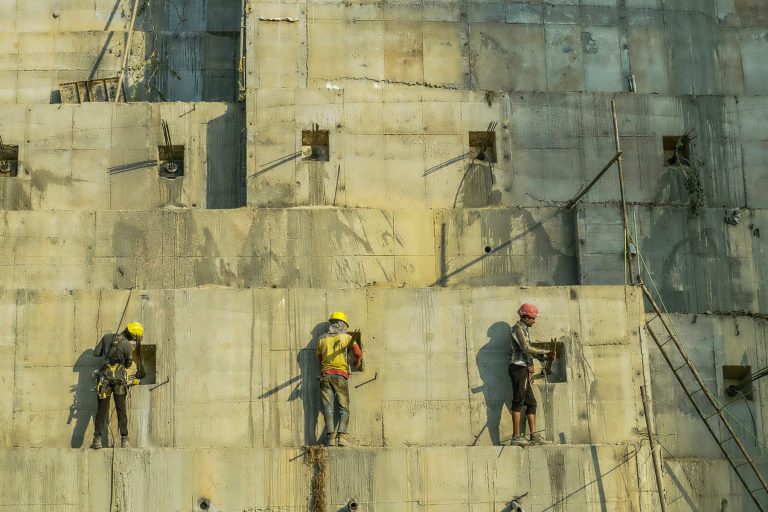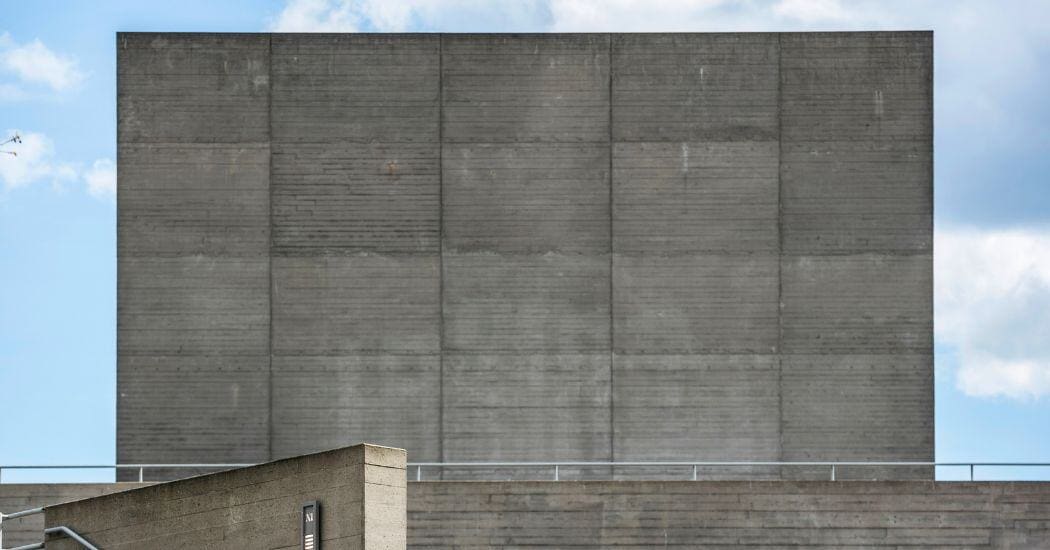
The Le Corbusier's Brutalist architecture It seems to remain a timeless benchmark for today's leading architects.
Le Corbusier's Brutalist Architecture and Its Influence
In a world where technology is advancing by leaps and bounds, Architecture cannot afford to lose sight of the lessons of the past. Reflect on the architectural styles of the great masters, such as Brutalist architecture, not only allows us to understand their historical context, but also to apply their teachings to our own creations. It is crucial to consider how these pioneers of architecture have influenced the design and construction of buildings, and how his innovations continue to resonate in the contemporary world.
One of these masters is Le Corbusier, whose Brutalist architecture has left an indelible mark on the global architectural landscape. Through his works, Le Corbusier not only challenged the conventions of his time, but it also established new paradigms in architectural design. Brutalist architecture, with its emphasis on functionality and structural integrity, offers an interesting contrast to today's highly digitized world. In this article, we will explore the life and work of Le Corbusier, his contributions to Brutalism and the significance of his legacy in contemporary architecture.
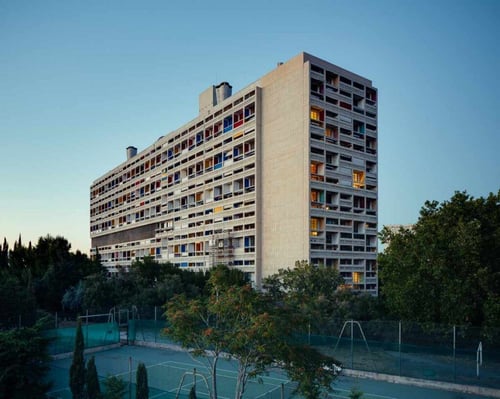
Marseille Housing Complex, built between 1947 and 1952. A representative example of Le Corbusier's Brutalist architecture. Concrete Today
Le Corbusier: Early Years and Career
Le Corbusier, whose birth name was Charles-Édouard Jeanneret-Gris, was born in 1887 in La Chaux-de-Fonds, Switzerland. From an early age, he showed a a keen interest in art and architecture, which led him to study at the School of the Arts from his hometown. His talent soon took him to Paris, where he worked in the studio of Auguste Perret, a pioneer in the use of reinforced concrete. It was during this early stage of his career that Le Corbusier began to develop his revolutionary ideas about architecture.
In the 1920s, Le Corbusier formulated his fundamental architectural principles, known as the «Five Points of New Architecture«. These principles included the use of piles, the open floor plan, the free-form façade, the horizontal window, and the rooftop garden. These innovations not only defined his style, but also established The Foundations of Modern Architecture. Over time, Le Corbusier became a central figure in the Modernist movement, promoting a vision of architecture that combined functionality with a purist aesthetic.
Le Corbusier's Brutalist Architecture
Le Corbusier's Brutalist architecture is notable for his bold and expressive use of reinforced concrete, along with a strong emphasis on the functionality and structural integrity. Unlike other architects of his time, he used concrete not only as a building material, but also as a a means of expressing his architectural vision. This style is characterized by simple geometric shapes and unadorned surfaces that highlight the materiality of concrete.
A central aspect of Le Corbusier's brutalism is his focus on the structural integrity. Instead of hiding the structural elements of his buildings, he highlighted them, creating an aesthetic that celebrated functionality and simplicity. This approach stood in stark contrast to the ornate and decorative styles of other contemporary architects, helping to define the unique identity of Brutalism. Beyond meeting the functional needs of its users, Le Corbusier's Brutalist architecture He sought to create spaces that evoked a sense of grandeur and permanence.
Notable Brutalist Projects
1. Marseille Housing Complex
One of Le Corbusier's most iconic and controversial projects is the Marseille Housing Complex, built between 1947 and 1952. This residential building, known as «The Cité Radieuse«… is a perfect example of Brutalist architecture and a turning point in modern thinking about public housing.". The concrete structure, with its modular design and colorful balconies, is an example of the principles of functionality and community that Le Corbusier valued.
2. Notre Dame du Haut Chapel
The Chapel of Notre Dame du Haut in Ronchamp, built between 1950 and 1955, is another masterpiece by Le Corbusier and an icon of modern architecture. Although it is not Brutalist in the strict sense, His organic forms and innovative use of concrete reflect the evolution of his architectural thinking. The chapel is known for its thick, curved walls, as well as for its strategically placed windows, which create a dramatic interplay of light and shadow inside.
3. La Tourette Convent
The La Tourette Convent, located near Lyon, France, is another notable example of Le Corbusier's Brutalist architecture. Completed in 1960, this religious building It is an iconic work that combines functionality and spirituality. The convent's concrete structure, with its austere and geometric design, reflects Le Corbusier's intention to create a space that would invite the contemplation and spiritual retreat that its purpose calls for.
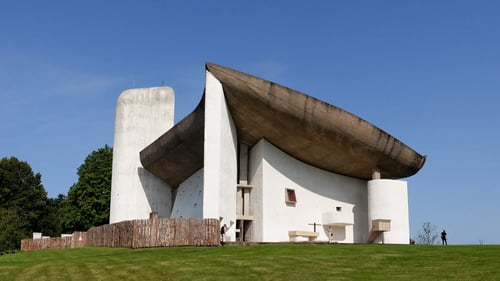
Notre Dame du Haut Chapel in France. WikiArchitecture
Influence on Contemporary Architecture
The influence of Le Corbusier's Brutalist architecture on contemporary architecture is undeniable. His focus on functionality, structural integrity, and the expressive use of concrete has left a lasting mark on generations of architects. Today, many designers they continue to draw on Brutalist principles Le Corbusier's approach to creating buildings that are both functional and visually striking.
In a world where sustainability and efficiency are becoming increasingly important, the values of Le Corbusier's Brutalist architecture are more relevant than ever. The use of durable materials and design for longevity are principles that can contribute significantly to the creation of more sustainable built environments. Furthermore, the Brutalist aesthetic, with its emphasis on simplicity and structural truth, offers a refreshing alternative to the more superficial and ornate styles that sometimes dominate contemporary architecture.
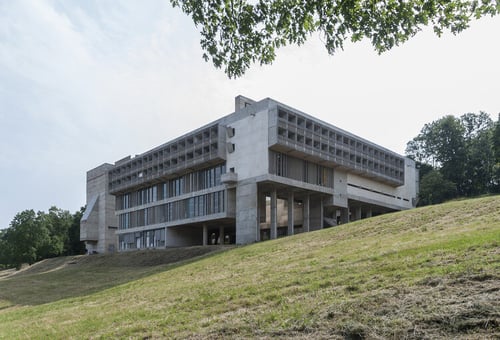
La Tourette Convent, another masterpiece of Le Corbusier's Brutalist architecture. ArchDaily
In conclusion, Brutalist architecture Le Corbusier's work has not only left a mark on a milestone in the history of architecture, but it also offers valuable lessons for today's architects and engineers. Reflecting on his legacy invites us to consider how we can integrate principles of functionality, structural integrity, and sustainability into our own practices. As we continue to advance in the field of architecture, It is essential to continue pursuing ongoing training and specialization in topics such as this one. For those interested in expanding their knowledge, I recommend exploring the catalog of online courses and master's programs offered by Structuralia on architecture and sustainability.