Riken Yamamoto is one of the most prominent figures in the Modern Japanese architecture.
Modern Japanese Architecture: Riken Yamamoto, 2024 Pritzker Prize Winner
LModern Japanese architecture has left an indelible mark on the global architectural landscape, uniquely blending tradition and the avant-garde. His influences, such as Kenzo Tange and Tadao Ando have laid the groundwork for a distinctive aesthetic and a philosophy that transcends borders. In this context, Riken Yamamoto emerges as a prominent figure, whose Its innovative and thoughtful approach has captured the world's attention, leading to his recent selection as the recipient of the 2024 Pritzker Prize for his contribution to the enduring legacy of the modern Japanese architecture.
You might be interested in: Gothic Architecture in Spain: History, Characteristics, and Examples
The Awards Pritzker These are international awards considered to be the highest honor in the field of architecture. Established in 1979 by the Pritzker family, owners of the Hyatt Hotels Corporation, these awards seek to honor architects whose work demonstrates an exceptional combination of talent, vision, and lasting contribution to the built environment. Each year, a jury composed of architecture experts This world-renowned organization selects the winner from a list of nominees, evaluating their innovation, social impact, and contribution to the art of architecture.
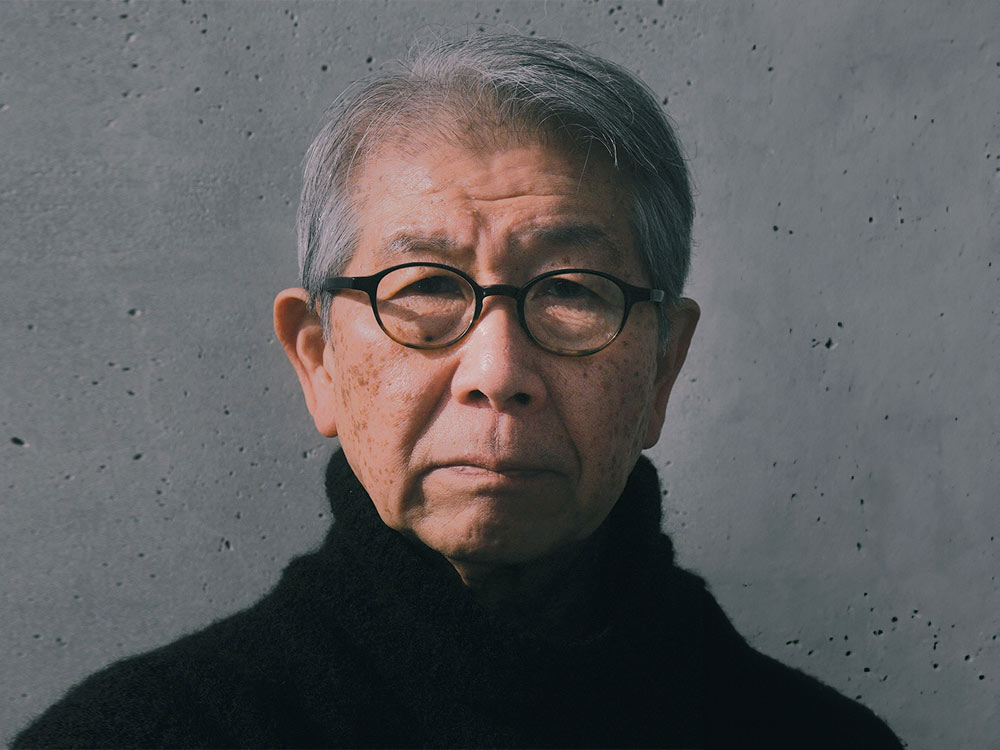
Portrait of Riken Yamamoto. ExpoCIHAC
Riken Yamamoto and Modern Japanese Architecture
Riken Yamamoto, born in 1945 in Yokohama, Japan, graduated with a degree in architecture from Yokohama National University in 1969. His professional career has been marked by a constant quest to fuse functionality, aesthetics, and cultural context. Since founding his own firm in 1973, Yamamoto has created a wide range of projects, from residential buildings to large-scale urban complexes. His approach is characterized by experimentation with organic shapes, the incorporation of natural elements, and the a profound reflection on the role of architecture in contemporary society. Throughout his career, he has been recognized with numerous awards and honors, culminating in the prestigious 2024 Pritzker Prize, which highlights his lasting influence on the field of modern Japanese architecture.
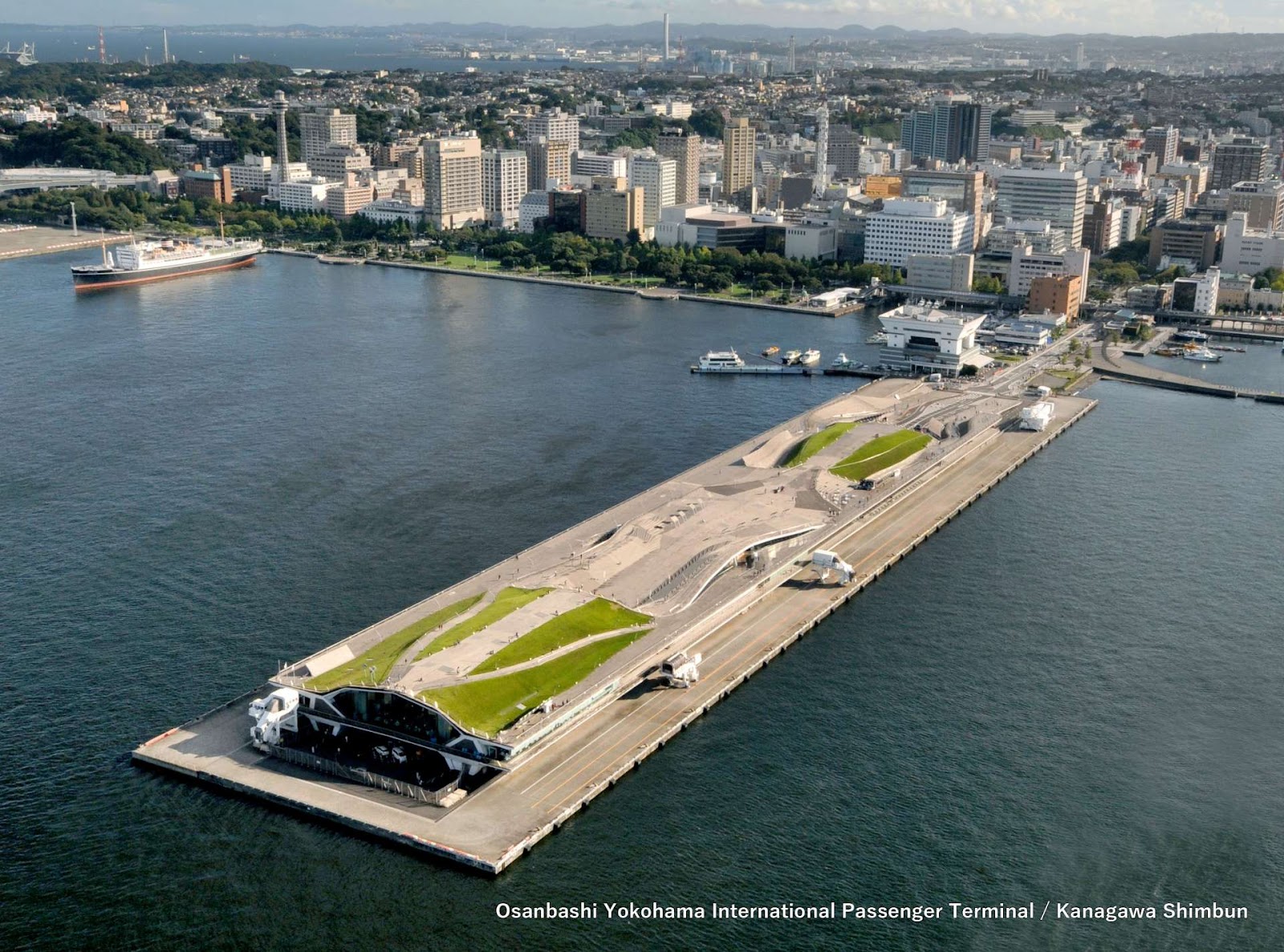
Yokohama Port Terminal, one of Yamamoto's contributions to modern Japanese architecture. ar.inspiredpencil
Notable Aspects of Riken Yamamoto's Architecture
Riken Yamamoto's architecture is distinguished by several aspects that make it unique and memorable on the contemporary scene. First of all, its ability to integrate nature in his designs is exceptional. Yamamoto uses elements such as natural light, cross-ventilation, and landscaping to create spaces that are in harmony with their surroundings. Furthermore, his innovative approach to form and structure is reflected in buildings that defy convention and captivate the imagination. Yamamoto’s cultural sensitivity is also evident in his ability to to reinterpret Japanese tradition in a contemporary way, incorporating elements such as wood, paper, and geometric patterns in innovative ways. Finally, its commitment to the sustainability and social responsibility This is evident in projects that seek to minimize their environmental impact and improve the quality of life for those who live there. Taken together, these aspects make Riken Yamamoto’s architecture a remarkable expression of creativity and the relevance of the modern Japanese architecture in today's world.
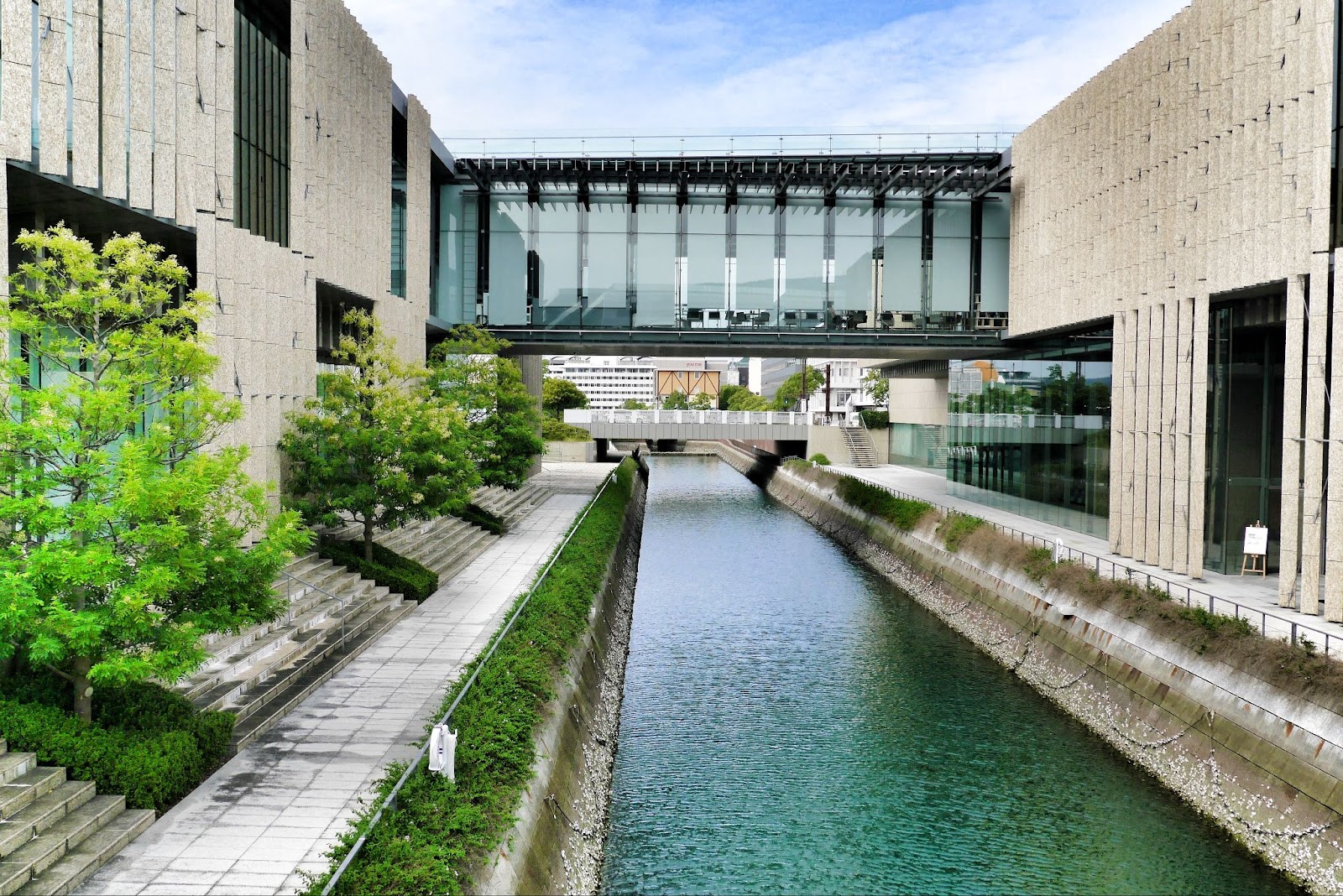
The Nagasaki Prefectural Art Museum, one of Yamamoto's contributions to modern Japanese architecture. Wikipedia
Riken Yamamoto's 3 Most Notable Works of Modern Japanese Architecture
Riken Yamamoto's three best-known works are:
1. Yokohama Port Terminal
This port terminal is an iconic structure that masterfully combines functionality and aesthetics. Its organic, fluid design blends harmoniously with the surrounding landscape, making it a symbol of Yokohama’s urban regeneration.
2. Nagasaki Prefectural Art Museum
This museum exemplifies Yamamoto's innovative approach to cultural architecture. Its dynamic form and creative use of light and space make it a culturally significant destination in the city of Nagasaki.
3. Yamato International Building
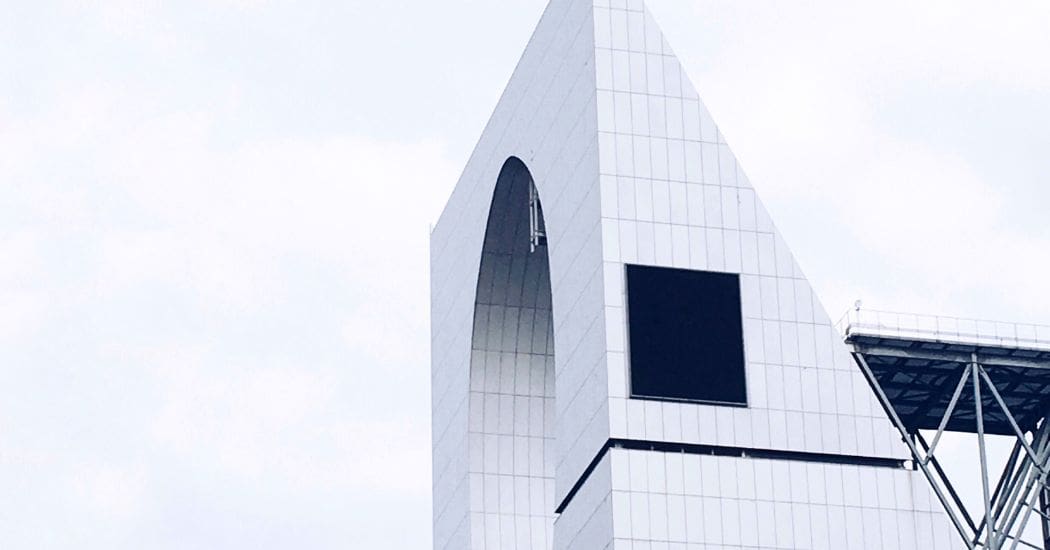
This project is a striking example of Yamamoto's ability to design commercial spaces that are both functional and aesthetically striking. The combination of geometric shapes and modern materials creates a building that stands out in Tokyo's urban landscape.
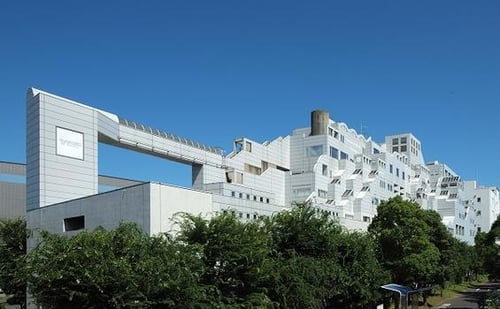
The Yamato International Building is one of Yamamoto's contributions to modern Japanese architecture. Structurae
In conclusion, Exploring figures such as Riken Yamamoto and understanding their impact on modern Japanese architecture are essential for professional architects in an increasingly interconnected world. The diversity of influences and perspectives It enriches our practice and inspires us to innovate and transcend boundaries. In addition, for those who wish to deepen their knowledge and skills in architecture, we invite you to explore the variety of courses and master's programs offered Structuralia. These training opportunities provide an invaluable platform for continuing to learn and grow in our field.