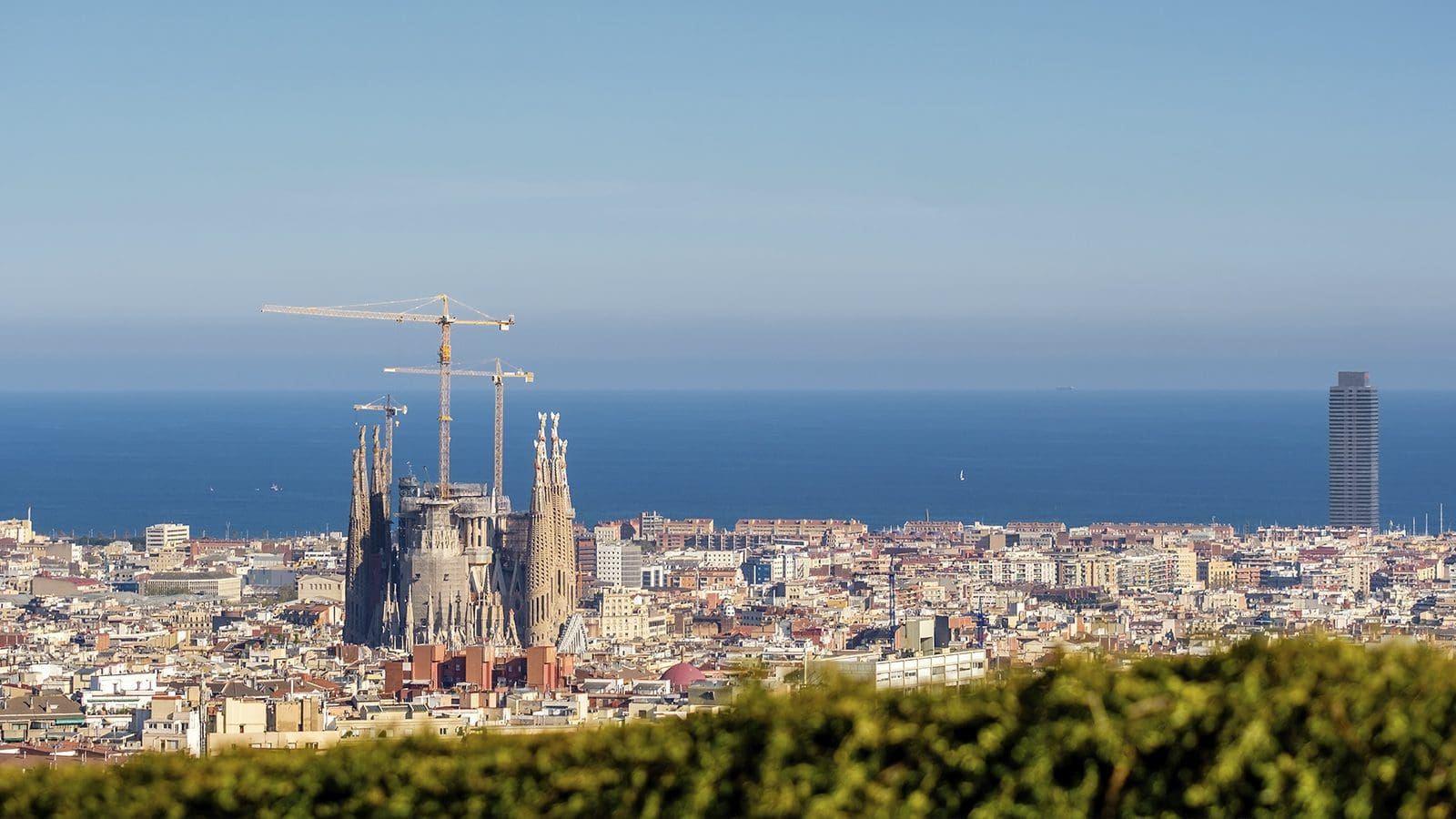
Did you know that Barcelona is a Smart City? Discover why it has earned a place among the world's smartest cities.
Barcelona Smart: The City's Adaptation to the 21st Century
The concept of Smart City refers to cities that are managed intelligently through the optimized use of resources. Today, Barcelona Smart has become the best example of how a metropolis can adapt to the 21st century. Next, we'll find out if it is Barcelona: A Smart City and why. In addition, we'll take a look at the factors that have made it possible for Barcelona has become one of the most modern cities in Europe.
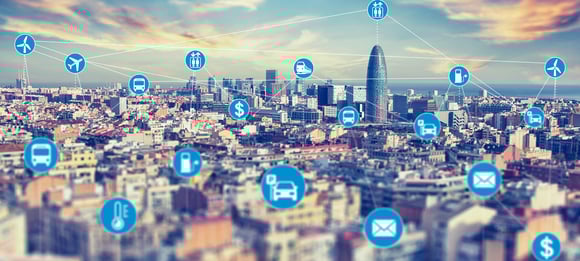 Photo: imnoaugusta.com
Why is Barcelona a smart city?
According to the report “Smart Cities: Understanding the Challenges and Opportunities”, the smartest cities in the world are Shanghai, Seoul, and Barcelona (in this order). To achieve this status, the Barcelona City Council has implemented technologies to to be a smart city. For example, by implementing measures on mobility, education, health, and productivity.
5 Things That Make Barcelona a Smart City
Now that you know that one of the smartest cities in the world is Barcelona, it is important to understand what factors have made it a Smart City. This is because the Barcelona City Council has been implementing since 2012 technologies in the following sectors:
-
Waste Management with “smart” trash containers located throughout the city that help reduce odors and noise pollution.
- Public Transportation with hybrid buses, solar panels at bus stops, and route changes for some buses to improve their frequency and speed.
- Street lighting high-quality lighting with an energy-efficient LED-based system and sensors to reduce energy consumption. The new lighting system provides data on air quality, humidity, temperature, noise, and the presence of people. In addition, a central network enables the management of other services such as free Wi-Fi throughout most of the city, charging stations for electric vehicles, and fiber-optic cabling.
- Parking Sensors that inform drivers of available parking spaces.
-
Noise sensors to gather information on noise pollution and, in this way, obtain the information needed to implement the appropriate measures.
 Photo: Mimeisa
Barcelona smart: The Challenges of the Future
While all of the above represents real progress, it is nonetheless true that it is essential to continue finding ways to turn the city into something almost like an app. And, in this way, ensure that anyone can learn about everything the area they're exploring has to offer.
In this regard, a special effort will be made to expand Renfe's commuter rail service, for urging delivery companies to use of more sustainable resources and for increasing the number of charging stations for electric cars.
After analyzing the information above, it can be concluded that Barcelona has undergone a comprehensive digital transformation which has succeeded in supplanting customs and traditions that are no longer appropriate for completely renovate them. Just as might happen in a company or an engineering or architecture firm, the process has resulted in some very positive results.
The Importance of Specialized Training
Over time, becoming a Smart City has become the target of the major cities of the world, and it's no wonder. If we extrapolate from what has been achieved by Smart Barcelona, it is possible to learn which techniques to use in order to easily adapt to the technological innovations of this century. For this reason, it is becoming increasingly necessary expand training in disciplines such as Master's Degree in Smart Infrastructure: Smart Cities. Sustainability and Urban Planning from Structuralia, where you can choose the training program that best suits your needs.