It is important to understand the characteristics of the industrial production Learn about each of these types and approaches here.
Characteristics of Industrial Production, by Type
In an increasingly challenging and globalized business environment, industrial production is emerging as a fundamental pillar of the creation and delivery of goods that drive our society. The ongoing pursuit of efficiency, quality, and flexibility in this field has led to a constant evolution in manufacturing methods. From mass assembly lines to highly customized operations, Characteristics of Industrial Production are more vital than ever.
Faced with a variety of market demands and an ever-changing competitive environment, today's manufacturers find themselves in a crossroads of challenges and opportunities. The characteristics of modern industrial production encompass not only efficiency and productivity, but also the agility to adapt to fluctuations in demand and customer expectations. This is where the importance of understand and make effective use of the different types of production systems.
As we explore the dynamics between continuous and intermittent production, we will explore how these unique approaches address today's industrial challenges and lay the groundwork for tomorrow's manufacturing success.
Intermittent Production: Flexibility in the Face of Diversity
This approach is characterized by its ability to adapt to a wide range of needs and changing demands, providing fertile ground for creativity and customization. Within intermittent production, we find three subtypes Key features: the modular production system, the batch production system, and the project-based production system, each of which addresses specific challenges in its own unique way.
The Modular Production System It is based on the creation of individual components that are assembled to form final products. This modularity not only simplifies the manufacturing process but also allows for greater flexibility in adapting to different products and specifications. On the other hand, the batch production system It focuses on manufacturing a specific quantity of identical products before switching to the production of another item. This is especially useful when demand is predictable but not constant, allowing for a rapid response to changes in demand.
The Project-Based Production System It focuses on creating unique and highly customized products. Here, each project is treated as a unique entity, with its own requirements and challenges. This approach is common in the construction industry and in the manufacture of custom equipment. Project-based production allows for innovation and extreme adaptation to customer needs, but it also entails greater complexity in planning and execution.
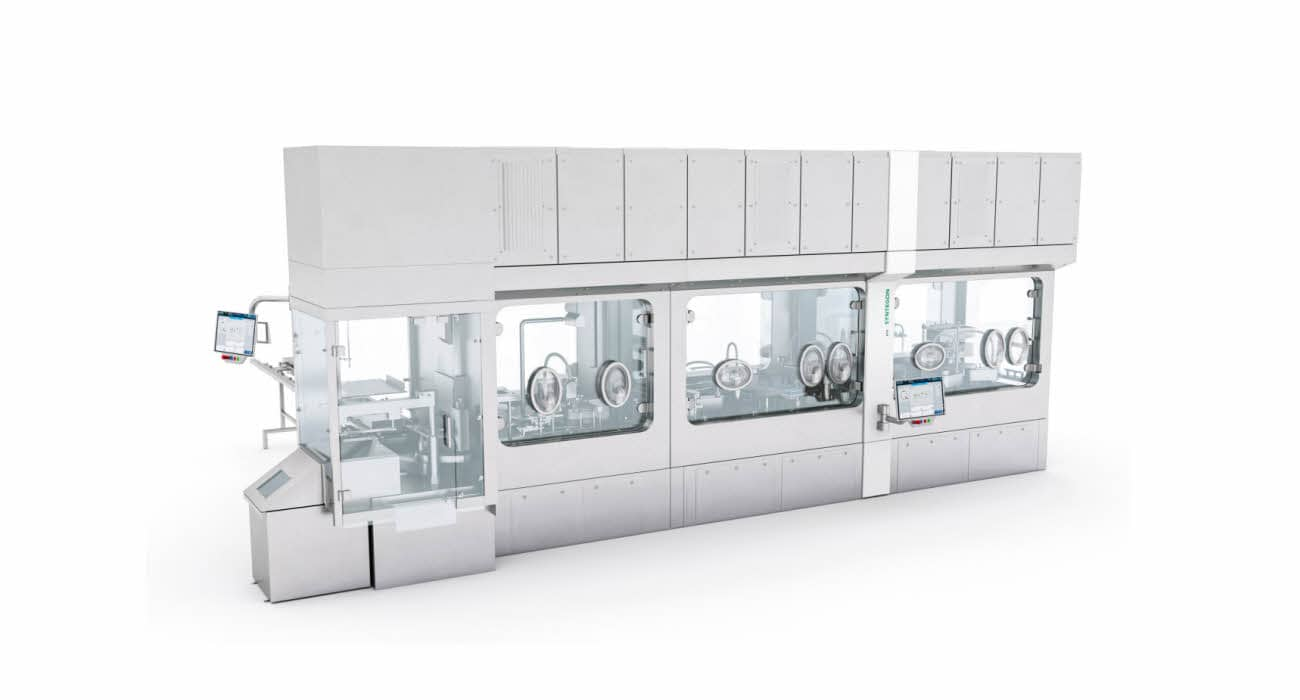
A modular assembly system ideal for batch production due to the characteristics of the industrial production it handles. Cosmeticlatam.com
Continuous Production: Efficiency Through Repetition
Continuous production stands out as a the backbone of the industrial manufacturing sector, focusing on the efficient and consistent production of large volumes of standardized products. Within this approach, we find two subtypes production methods that deserve attention: mass production and project-based production, the latter of which shares certain similarities with its intermittent counterpart.
Mass Production It is a hallmark approach to continuous production. Here, the assembly line becomes a symphony of interconnected processes working in harmony to manufacture identical products in large quantities. This method has proven particularly effective for high-demand products with a low level of customization, such as household appliances or automobiles. Mass production is a tangible example of efficiency, where the repetition of optimized processes minimizes production time and costs.
Project-Based Production In the context of continuous production, this refers to the manufacture of specific products in smaller batches, but still with a continuous approach in terms of processes. This dynamic is similar to project-based production in the intermittent approach, but here it is geared toward standardization and efficiency. For example, in the modular construction industry, where similar structures are assembled repeatedly, we can see the application of continuous project-based production.
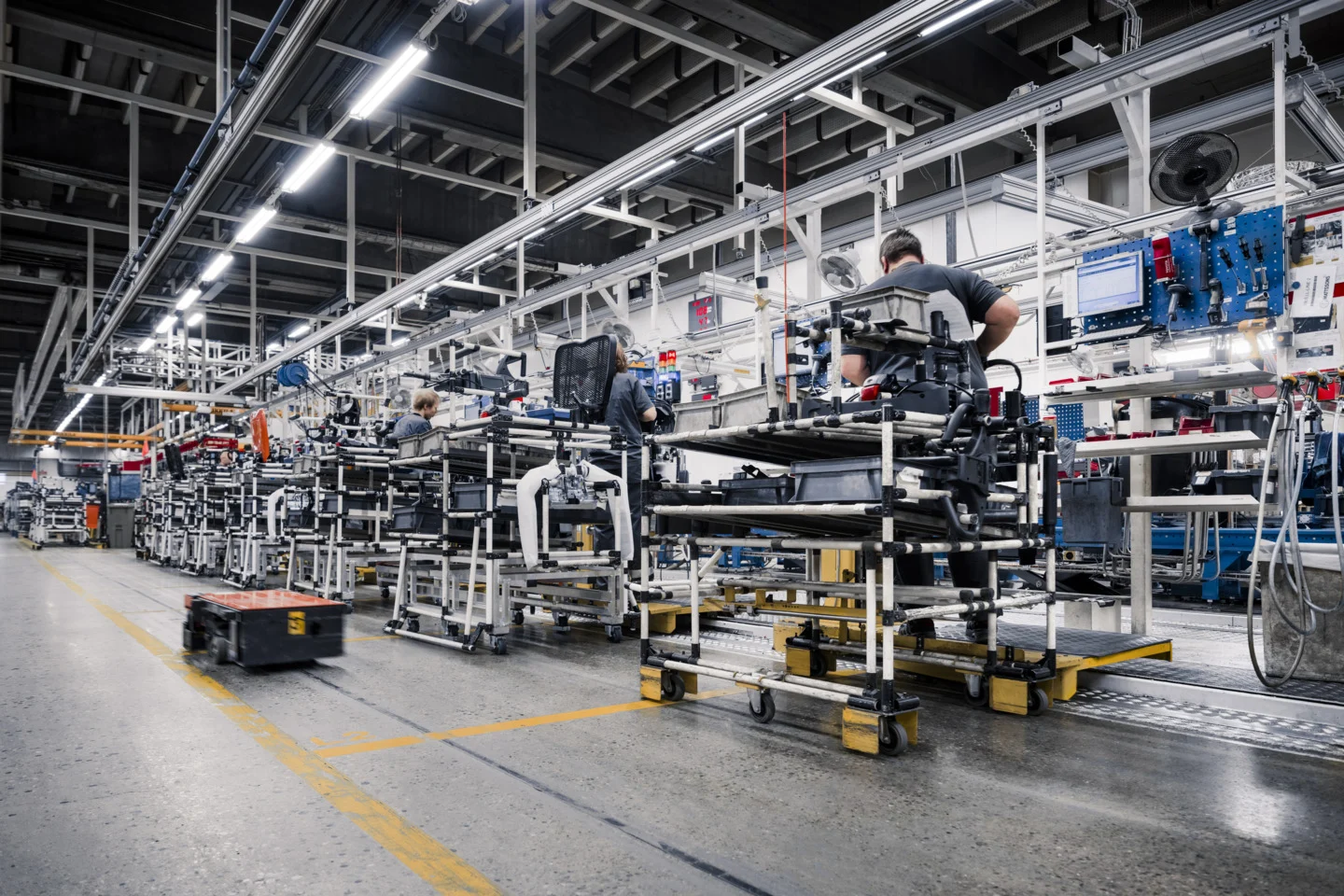
Toyota's assembly line, a prime example of continuous mass production and the characteristics of this type of industrial production. Toyota
Characteristics of Industrial Production of each of these types is essential to understanding how the industry and manufacturing operate today, and knowing how to take advantage of them is crucial to remaining competitive in such a challenging sector. Hand in hand with the automation systems and robotics are the key areas of the industry in the 21st century, and as professionals, we cannot fall behind without understanding how production and manufacturing are evolving toward a promising future.