Project schedules are essential to civil engineering and the transportation sector. Time management is crucial for us to develop a plan. Any delay could have undesirable consequences, so it’s necessary to prepare this document before we begin. In this post, we’ll discuss timelines and their characteristics.
What exactly is a timeline?
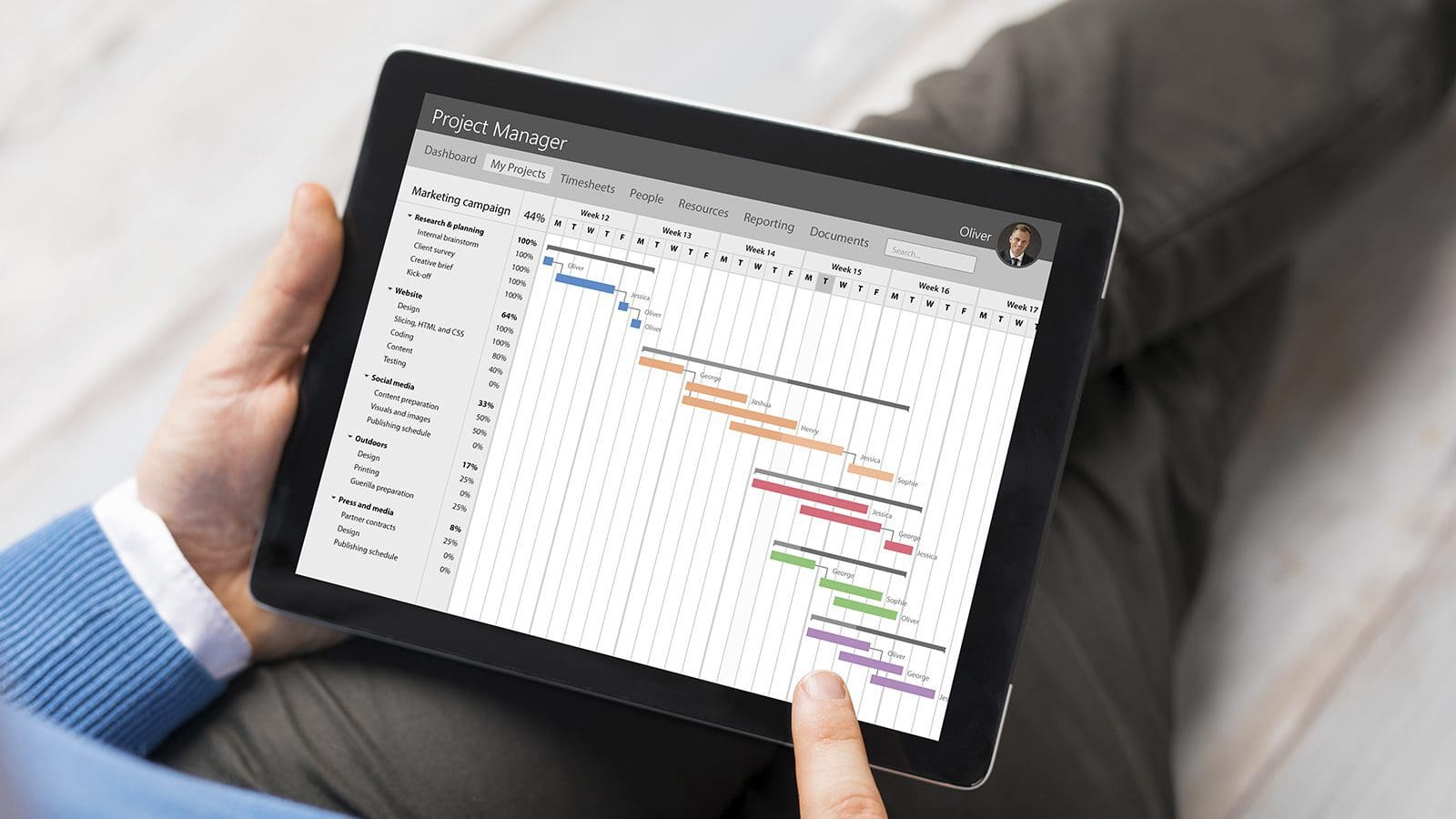
When applied to transportation or an engineering project, it is a graphical representation a series of activities. These are developed over a period of time and according to agreed-upon requirements. They outline the various milestones we must achieve, the relationships between them, the phases to be completed, and both the start and estimated completion dates of the project.
Of course, All participants must be familiar with the schedule
and their role in it. This way, there will be no doubt about who is responsible for a specific activity. In addition, it simplifies the planning of any activity, since it also provides a time frame. At Structuralia, we offer education focused on civil engineering and transportation, where you'll learn how to use and apply this very useful document. However, there's nothing better than learning about its benefits first.
Benefits of Project Schedules
- The main one is the simplification of project tasks. By specifying the time allocated for each phase, outlining the possible development phases, and ensuring that team members have access to the schedule, we are ensuring clarity throughout the project. This simplifies each task and speeds it up, as it leaves little room for improvisation and ensures a minimum level of predictability.
- Another aspect to consider is the ease of monitoring. We can see at a glance what stage the project is at, which tasks have been completed, whether any corrections are needed, or if a problem has arisen. This allows us to make decisions at critical moments based on sound information and in a timely manner—something that’s always necessary to bring the project to a successful conclusion.
- It is also fosters engagement among participants. Everyone will have a clear understanding of their role and will be able to gauge the pace of the activities. Workers will feel like part of a functional whole that is moving in a specific direction and in which they are making a contribution. This also boosts motivation and prevents some participants from falling behind.
- Finally, We were able to optimize the available resources. Each phase or stage will be allocated the time and resources necessary to complete the required tasks. This will allow for an accurate estimate with a tight margin that prevents resource shortages. It avoids overspending or reducing the allocation for any part of the project.
Tips for Developing a Schedule
When we want to create a schedule We can't act haphazardly, as this would reduce its effectiveness. The first step is to identify which phases and tasks are essential; next, we’ll need to map them out in relation to one another, estimate the time required to complete them, and include the previously allocated resources; and the final step will involve reviewing the schedule to check for errors.
Each of these steps is important, and It is not advisable to skip them. The end result will be a useful schedule that we can distribute to the participants and that will serve as a reference throughout the activities.
In short, the project timelines They play an important role, since part of the organization and planning depends on them. Thanks to them, any task can be completed within a reasonable timeframe and without using more resources than are strictly necessary. Otherwise, the chances of failure would increase.