Originally published on March 9, 2020; updated on September 26, 2023
The project manager plays a vital role in the company, ensuring the success of projects. Explore its features and tools.
Features and Tools of a Project Manager
The Project management is a vital discipline It is important for any company because of the advantages and benefits it provides. Achieving objectives more effectively, shortening timelines, and gaining greater control over risks—all of which result from the proper execution of a project within a company—provide competitive advantages in the market.
A project manager performs duties within a company that include different tasks. Its main purpose is to carry out the supervision of assignments, from the time they begin until they are fully completed. Project management is a discipline of great importance for any company by the advantages that it generates for itself.
Among the benefits are achieving objectives more effectively, shortening timelines, and better managing risks that result from the proper execution of a project within a company. For this reason, the role of the project manager It's key, especially in construction projects, where a multitude of simultaneous tasks coexist, each involving different phases and stakeholders.
Project Manager: Characteristics and Responsibilities
The project manager plays a key role in overseeing and monitoring activities, ensuring that the schedule, objectives, and quality requirements established by the client are met. This role must successfully coordinate various areas, such as human resources, technical and financial management, risk management, documentation, and best practices, in addition to effectively resolving any issues that may arise in the various project phases.

The project manager is responsible for making key decisions and establishing the implementation plan and workflows, while assigning tasks to team members. This involves effectively coordinating objectives within a collaborative system that maximizes the project performance.
Among the Key Responsibilities of a Project Manager These include:
-
Project planning, execution, and monitoring.
- Communication via email.
- Coordination among team members.
- Maintaining close communication with the client and stakeholders.
- Review and analysis of the project's progress.
- Review of the relevant documentation.
-
Making decisions regarding the reallocation of resources as needed.
What are the responsibilities of a project manager?
Below, we outline the various responsibilities involved in the role of project manager, as well as the obligations associated with each one:
1. Planning
The project manager is responsible for developing a strategic plan to achieve the objectives, providing essential guidance for the team.
2. Leadership
The person in charge of the project must not only build a team but also lead it using communication skills, leadership, and analytical abilities.
The project is progressing according to a set schedule, an essential tool for organizing the entire process effectively.
4. Budget Management:
The project manager creates a detailed budget and, if adjustments are needed at any time, is responsible for correcting the relevant aspects.
5. Project Documentation:
The project manager oversees the process and ensures that all documentation is properly approved and signed.
6. Troubleshooting:
The project manager is prepared to resolve any issues that may arise during the course of the project.
What qualities should a project manager have?
A good project manager must possess a variety of qualities to be able to perform their duties. First, they must have a positive and results-oriented attitude, that is, to see the project through to the end. You also need to be organized in order to manage your time and the resources allocated to the project effectively.
This includes planning, scheduling, monitoring, and analysis of the process. Finally, they must be able to communicate effectively with others involved in the project (clients and partners) to ensure that everyone is aligned with the main objective.
 Source: Forbes
In addition, the project manager must have the necessary skills to personally lead the team members, solving problems as needed. These skills include conflict resolution and providing daily motivation to keep team members engaged in the project's progress.
The Project Manager must have extensive knowledge of the subject matter related to the project. This information will help you assess any risks or other issues related to its implementation.
Finally, the Project Managers They are responsible for the quality and successful delivery of the final product as requested by the client, within the budget and on the schedule previously established. Therefore, they must act professionally at all times while managing the complex challenge of bringing a project to a successful conclusion.
Tools Used by a Project Manager
The project manager is responsible for choosing the tool that is best suited to achieving the established objectives. It is not a matter of choosing the most modern tool, but rather the one that is most useful for completing the planned tasks.
1. Common Data Environment
The CDE is a virtual workspace for the project management and digital transformationl. Saves all information in layers, in a work history that Prevents data loss and allows you to recover files, how to determine when a mistake was made, by whom, and how. This helps streamline future projects.
 Common Data Environment. Source: bimcommunity
2. BIM 360
In the construction and architecture sector, BIM 360, is a collaborative work tool which, unlike the CDE, allows for greater flexibility in workflows and interaction among team members as they work in real time, but unlike the CDE, it does not keep a record of the work performed.
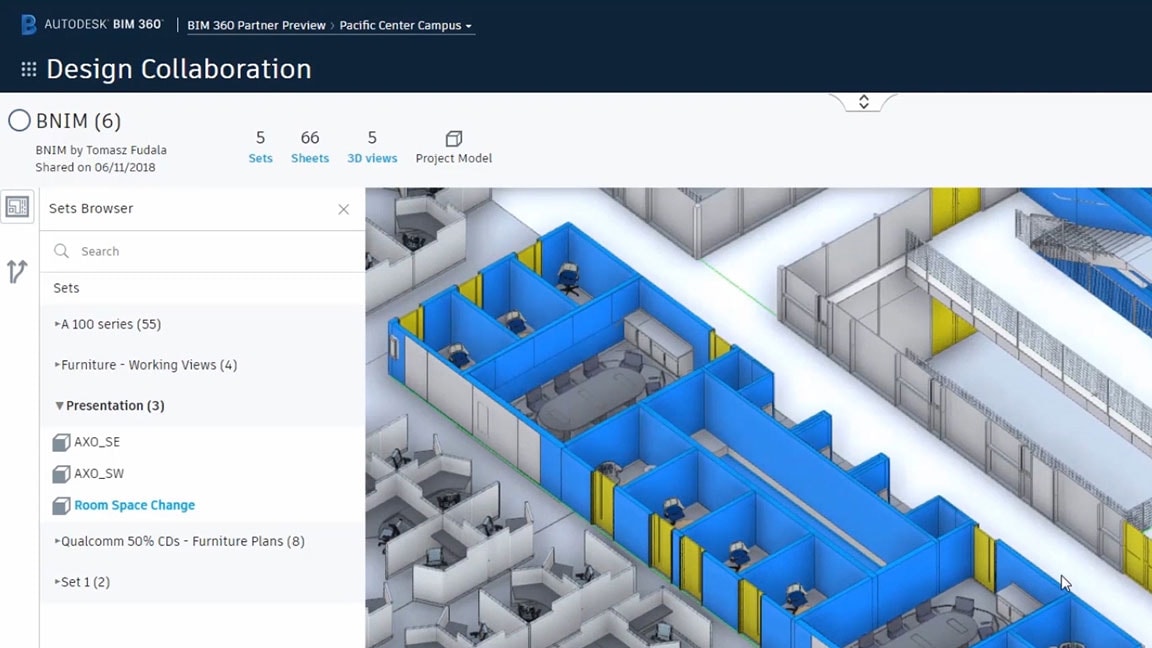 BIM 360. Source: damassets.autodesk
3. Fieldwire
This tool is especially useful for the On-site viewing of blueprints using mobile devices. It indicates construction details, markings, and enables communication with other parties through comments, photos, and checklists synchronized in real time.
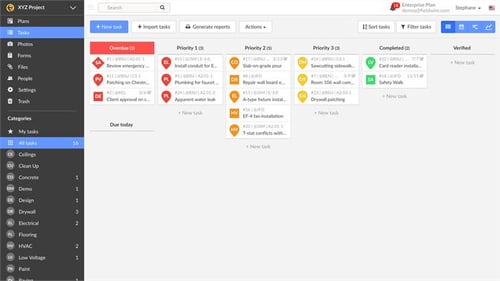 Fieldwire. Source: store-images.s-microsoft
4. Builder Trend
Software for Renovation and Programmable Construction. Its main appeal lies in the possibility of manage pre-sales processes and customer interactions to submit proposals and quotes. It includes timesheets, messaging, and numerous accounting applications.
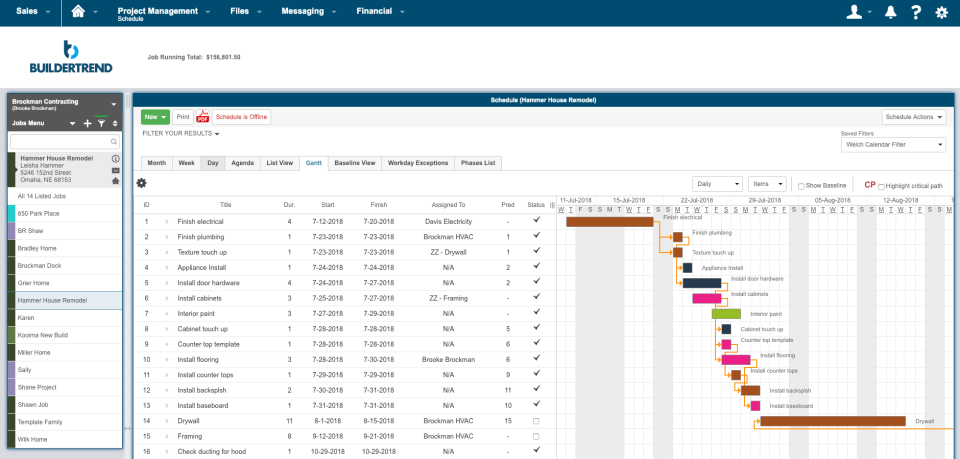 Builder Trend. Source: gdm-catalog-fmapi-prod.imgix
5. Navisworks
Another BIM-oriented tool for the management and coordination of the models. Allows the manager combine different platform models one for reviewing interference, taking measurements, and identifying problems, which it communicates to the relevant personnel for real-time resolution.
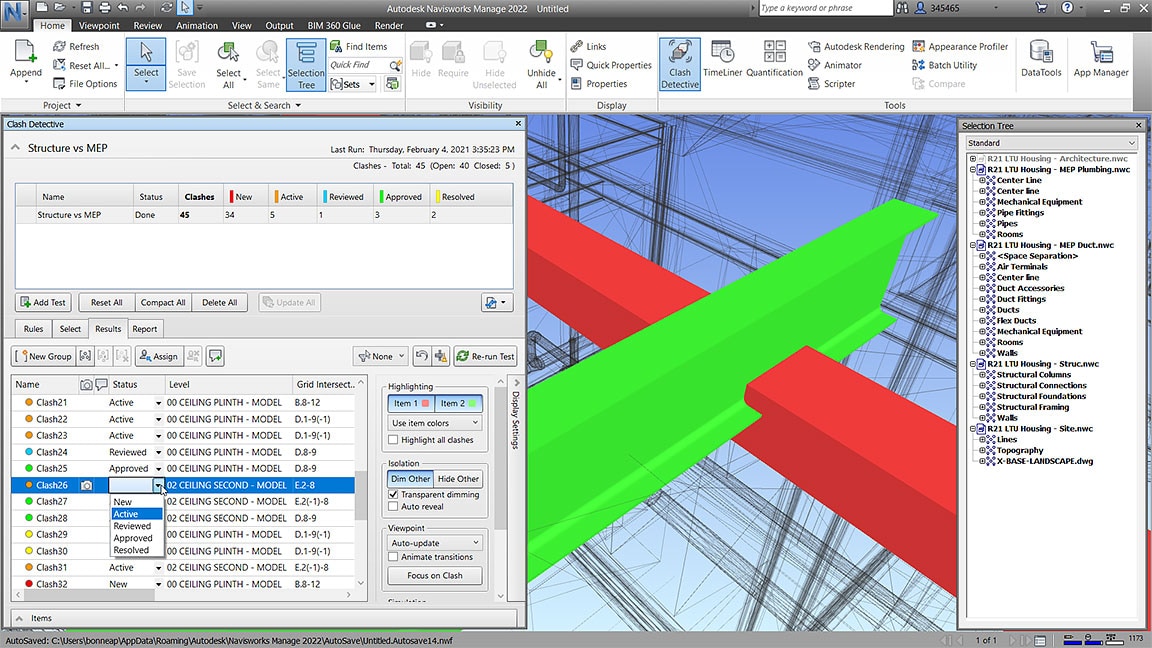 Navisworks. Source: damassets.autodesk
6. Kaban
This system ensures that the project manager can maintain the pace while providing all the necessary information to continuously improve. This tool is a information system that oversees and manages the work to achieve the organization's success.
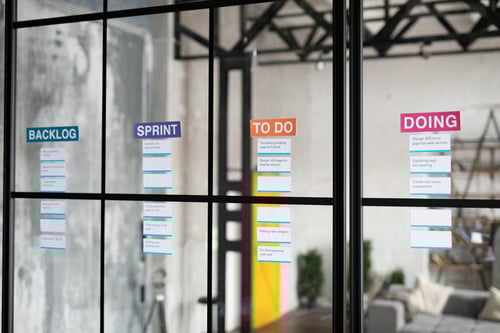 Kaban. Source: envato
In this article, we have explored in detail the figure of the project manager and the various functions they perform to ensure the successful execution of projects. As you can see, their role is essential in any company, as it contributes significantly to meeting objectives and achieving satisfactory results.
In today's business world, where efficient management of time and resources and adaptability are crucial, proper training becomes a valuable asset. This is where the Master's Degree in Agile Methodologies and Project Management from Structuralia It presents a unique opportunity to acquire the skills and knowledge needed to excel in this constantly evolving field.
If you're interested in advancing your career as a project manager and becoming a leader in agile project management, this training program could be your next step toward success. Don't hesitate to learn more about this exciting opportunity and take your skills to the next level!