Although these concepts are compatible, it is important to understand the difference between preventive and predictive maintenance.
The Difference Between Preventive and Predictive Maintenance
In this article, we will address a key issue for ensuring the integrity and longevity of facilities and infrastructure: The difference between preventive and predictive maintenance. Often, in our eagerness to carry out innovative, large-scale projects, we may forget the importance of managing and maintaining facilities and infrastructure. This is where two key concepts come into play that make the difference between a efficient management and premature wear of our creations.
In the fast-paced world of construction, where new technologies and advancements emerge every day, We must not lose sight of care and maintenance of what we have already built. Facilities such as buildings, industrial plants, or infrastructure, require constant attention to ensure they function properly and to extend their service life. In this task, maintenance professionals play a crucial role; they are the silent guardians who ensure that every component remains operational, anticipating potential failures and minimizing the risk of unscheduled downtime. The preventive and predictive maintenance These are two complementary approaches aimed at optimizing the reliability and efficiency of our creations, and in this article, we will reveal their differences and how proper implementation can make the difference between smooth operation and high, unforeseen costs.
Differences Between Preventive and Predictive Maintenance
Preventive and predictive maintenance are two proactive approaches are essential to ensuring the reliability and durability of facilities and equipment. These approaches They share the vision of anticipating potential problems, rather than waiting for them to arise and cause significant damage. Both methods complement each other, since one focuses on Planned preventive care, while the other is looking for iIdentify patterns and anomalies in order to take action at the most opportune time. The combination of these proactive approaches not only ensures greater operational efficiency, but it also prevents unexpected disruptions and extends the useful life of facilities, equipment, buildings, and infrastructure.
1. Preventive Maintenance: Optimizing Reliability
Preventive maintenance focuses on the planning and conducting periodic inspections and scheduled activities to keep equipment and facilities in optimal condition. Through a predefined schedule, thorough inspections, lubrication, adjustments, and replacement of worn parts are carried out before they can cause major problems. This proactive approach aims to reduce the risk of unexpected failures and maximize operational reliability. When implementing preventive maintenance, professionals in the Facility Management can identify wear patterns and plan the use of resources more efficiently. In addition, this type of maintenance contributes to a safer work environment by preventing emergencies caused by unexpected failures. While preventive maintenance involves a planned investment, its long-term benefits far outweigh the initial costs, allowing for greater control and efficiency in the management of assets and resources.
Key Features of Preventive Maintenance:
-
-
Scheduled and based on regular intervals.
-
Scheduled inspections and maintenance before problems arise.
-
Reduced risk of unexpected failures and unscheduled downtime.
-
Maximizing operational reliability and extending the useful life of assets.
-
Improved workplace safety by preventing accidents and unforeseen emergencies.
-
Greater control and efficiency in the management of resources and assets.
-
Long-term cost savings by avoiding major and costly repairs.
-
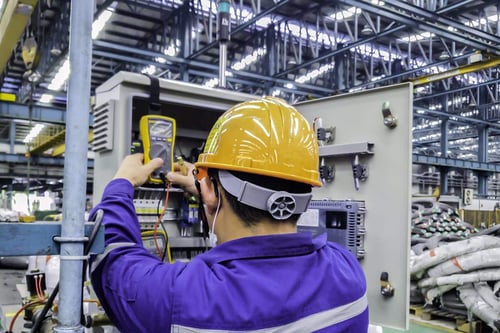 Routine preventive maintenance inspection in an industrial setting. Inycom Industry
2. Predictive Maintenance: The Power of Anticipation
Predictive maintenance is a strategy that It uses advanced technologies to continuously monitor the status of equipment and infrastructure. Through sensors, monitoring systems, and data analysis, real-time data is collected and analyzed to identify patterns and anomalies that may indicate potential future problems. This technique allows professionals to make informed decisions about when to intervene and what actions to take, thereby optimizing resources and minimizing downtime, since anticipating maintenance needs helps avoid unnecessary repairs and reduces operating costs. Predictive maintenance is also a valuable tool for detecting incipient damage or early deterioration, which makes it easier to address issues promptly and prevents minor problems from turning into major breakdowns.
In today's rapidly evolving technological landscape, predictive maintenance is becoming A strategic partner for efficient and profitable asset management in the fields of infrastructure maintenance and manufacturing. The significant technological advancements in the industrial automation systems It has been instrumental in improving and promoting predictive maintenance at all levels.
Key Features of Predictive Maintenance:
-
-
Continuous, real-time monitoring of asset status.
-
Use of advanced technologies such as sensors and data analysis.
-
Identifying patterns and anomalies to anticipate future problems.
-
Optimization of resources and reduction of downtime.
-
Preventing unnecessary repairs and reducing operating costs.
-
Early detection of damage and deterioration to enable timely intervention.
-
It contributes to the efficient and cost-effective management of assets that are constantly evolving.
-
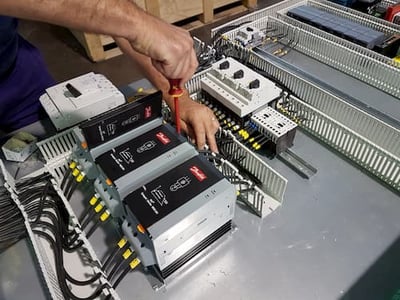 Installation of automation systems for predictive maintenance. Konetia
Despite the difference between preventive and predictive maintenance, both approaches ensure the integrity and reliability of our facilities and infrastructure, maximizing their service life and preventing costly downtime. Preventive, planned, and scheduled maintenance gives us the control and efficiency needed to anticipate problems and avoid unpleasant surprises. For its part, predictive maintenance—driven by the power of technology—allows us to look toward the future, identifying patterns and trends in order to take timely and optimized action. As professionals in the industry, we cannot afford to overlook the importance of these two fundamental pillars. So, if you are a professional in the industry, we invite you to take a look at Structuralia's training programs that involve the Facility Management.