
Where can a systems engineer work? We offer a wide range of job opportunities in this booming field.
Where can a systems engineer work in the field of technology?
Explore Where can a systems engineer work? This is highly relevant, given that constant technological advancements offer a wide range of job opportunities.
What is a systems engineer, and what are their responsibilities?
A systems engineer is a professional who designs, develops, implements, and improves efficient and functional computer systems using technological tools and software advanced. Their specific duties include:
-
Research and analyze the needs and requirements of organizations with regard to their technology infrastructure.
- Develop software and custom applications using programming and development languages.
- Implement and configure networks, servers, and operating systems.
- Monitor and maintain existing systems.
- Resolve technical issues and provide support to users.
- Evaluate new technologies and trends in the field of computer systems to implement improvements in system design and development.
-
Collaborate with other professionals to develop and implement integrated solutions.
Skills a Systems Engineer Should Have
A systems engineer must possess specific skills and knowledge to succeed in their field:
-
Technical knowledge: A solid foundation in the fundamental principles and concepts of computer science, as well as in programming languages.
- Problem-solving skills: It requires the ability to analyze complex situations and develop viable solutions.
- Communication skills: Clearly and effectively express ideas and proposals.
- Analytical thinking: Collect and analyze data and information to make decisions based on objective and logical analysis.
-
Project Management: Skills in planning, organizing, allocating resources, and monitoring project progress.
The question is, Where can a systems engineer work?, may constantly cross the minds of professionals who have a strong command of cutting-edge technologies and the necessary skills for this field. The answer depends on the job opportunities available in various sectors and industries.
Where can a systems engineer work?
Currently, there are challenging career opportunities for systems engineering professionals:
-
Technology companies: They can be made of software, hardware or technology services, developing and maintaining computer systems, applications, and networks.
- Telecommunications sector: To maintain and expand communications networks and develop innovative technological solutions.
- Financial sector: Banks, financial institutions, and investment firms to develop and maintain financial management and data security systems.
- Healthcare industry: Hospitals, clinics, and healthcare-related companies to manage medical information systems, ensure the privacy and security of patient data, and develop telemedicine solutions.
- Energy sector: To develop sustainable energy solutions.
-
Manufacturing sector: To improve the efficiency and automation of production processes.
Professional Profile of Engineering Graduates vs. Company Requirements
Below is a link to an interesting research study, which shows that the percentage of knowledge areas required by companies in the fields of Computer Science, Engineering, Software and Information Technology surpasses the specialized fields of study offered at Colombia's universities.
According to that study, companies have higher expectations regarding the professional profile of engineering graduates. Currently, the most in-demand specializations include:
-
-
El Master's Degree in Cybersecurity, This program will immerse you in the complexities of cybersecurity, from risk analysis and data protection to incident response and threat management. Through specialized modules and expert instructors, you’ll learn how to safeguard systems, networks, and data from potential cyberattacks. Our master’s program will equip you with the tools to understand and tackle the challenges of the ever-changing cybersecurity landscape. As digital threats evolve, you’ll be prepared to anticipate, detect, and counter potential vulnerabilities.
-
The Master's Degree in Artificial Intelligence: Model Management and Implementation, from advanced algorithms to machine learning and predictive analytics, this program will immerse you in the fundamentals and practical applications of Artificial Intelligence. You'll learn to develop, implement, and optimize models that can revolutionize entire industries.
-
Job Outlook and Trends for Computer Systems Engineers
The outlook and trends for the systems engineers are based on the changing needs of businesses and technological progress:
-
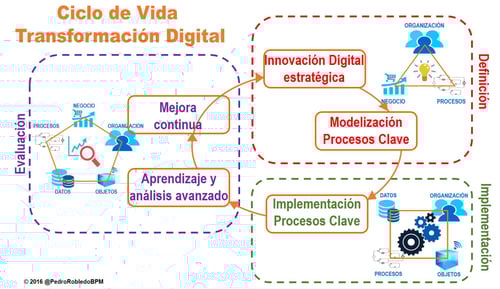
Digital Transformation: It enables professionals to improve the efficiency and competitiveness of companies by digitizing processes and optimizing operations. By 2026, global investment in digitization is estimated to reach $3.4 trillion. Here is the chart supporting this figure. Global Digital Transformation Spending, 2017–2026.
-
Emerging Technologies: Adaptability in step with technological advancements, including artificial intelligence, big data, the Internet of Things (IoT), and blockchain, is vital for developing relevant technological solutions.
- Computer Security: This area plays a key role in detecting potential attacks and vulnerabilities.
- Cloud computing: The migration of systems and applications in these environments is becoming increasingly necessary.
-
Artificial Engineering and Automation: Computer engineers can use them to improve decision-making and optimize processes.
At this point, it is important to highlight the role of the BIM Manager, as it is a promising career path that engineering professionals should consider.
Why Choose Advanced Specializations in Systems Engineering?
Gaining more knowledge in this area opens new doors to professional success. At this point, Structuralia It is a graduate school designed for those who choose to pursue specialization in this field. It offers a wide variety of master's degrees from digital transformation and smart infrastructure.
Understand Where can a systems engineer work? is essential for envisioning a promising future in this field. Today, job opportunities in this area are multiplying due to constant technological advancements and the growing demand for these professionals from companies around the world. The outlook for systems engineers are positive and present significant challenges for the future.