Originally published on November 30, 2021; updated on January 17, 2023
When it comes to to develop an oil field, we come across the exploratory wells, appraisal wells, and development wells.
Types of Oil Wells: Exploratory Wells and Their Future in Mexico
An oil well is one whose objective is to locate and extract fuel, including both oil and hydrocarbons. To exploit these resources, various steps must be taken types of wells which are distinguished by the type of engineering used in their drilling. Thus, there are three types, including exploratory wells, appraisal wells, and production wells.

Photo: rumbominero.com
Types of Oil Wells
As we explained in the previous paragraph, when it comes to to develop a potential deposit, there are three types of oil wells. The first one to be drilled is the exploratory well and its purpose is to determine whether hydrocarbons are present. The evaluation well, on the other hand, corresponds to the intermediate stage—exploration and production—since it is used to determine the size and properties of the reservoir. And, finally, drilling engineering is carried out for development well, whose priority is to produce fuel.
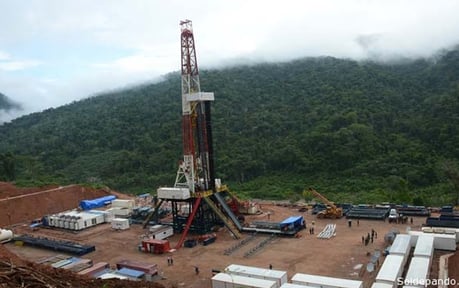 Photo: Onexpo.com
Exploratory wells
In the world of geological exploration, an exploratory well, is the one that is drilled first, and corresponds to the initial phase from an oil exploration project. The purpose of these wells is to confirm the presence of hydrocarbons in the soil, since they allow for the low-cost collection of field data, such as the size, properties, and expected production of the deposit.
Exploratory wells provide a better understanding of the area’s geology and drilling conditions, and the design can be optimized to minimize potential damage. If the results from this type of well are positive, the process continues with a evaluation phase (evaluation wells) that determine the quantity and properties of the hydrocarbon for subsequent production.
Next, we'll find out Mexico's oil situation through its exploratory wells and what the outlook is for them.
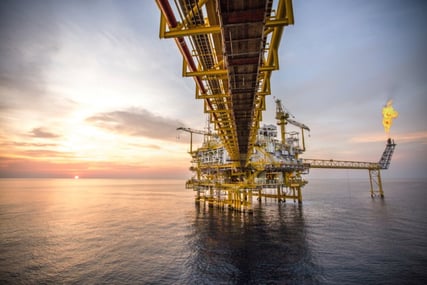 Photo: BNamericas
Exploratory wells in Mexico
In the case of Mexico, the Mexican state-owned oil company, PEMEX explained his plan to begin construction on a total of 78 exploratory wells in 2022. In 2020, a total of 30 exploratory wells, of which 17 were geologically successful, roughly the same results as those obtained in 2019.
According to the National Hydrocarbons Commission, 45% from these exploratory wells successful went inland, while 41% went to shallow waters and the rest, in deep water. And comparing the number of barrels of crude oil found in the first quarter of 2020 compared to 2019, is multiplied by 4.5, for a total of 720 million barrels.
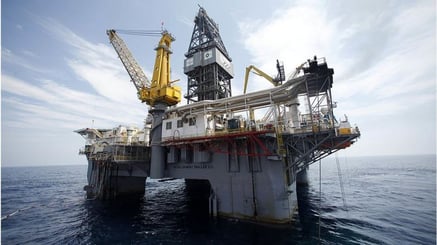 Photo: BBC
The Future of Exploratory Wells in Mexico
By 2023, it is projected that PEMEX invest a total of $7,986 million in exploratory wells for hydrocarbons. With the expectation of finding up to 1.281 million barrels of crude oil, nearly 18% of the country's current proven reserves.
Although, in monetary terms, the level of investment may seem very high, experts from the National Hydrocarbons Commission in Mexico they claim that with a success forecast equivalent to 30% from exploratory wells The investment can more than pay for itself. (Nestor Martinez for El Economista).
These past two years of good fortune in the increase in the country's hydrocarbon reserves, are a very good sign for the future of the oil industry. Although it is still a long way from the world's major oil reserves, such as Venezuela and Saudi Arabia, Mexico remains very well positioned on the list thanks to the success of its oil wells.
.jpg) Photo: The Sun of Mexico
Photo: The Sun of Mexico
It is also necessary not to abandon our parallel commitment to renewable energy with investments such as the large Ventika wind farm. If you'd like to learn more about exploratory wells and oil rigs, you can further your education with the Master's Degree in Engineering, Markets, and EPC Contracts in the Oil, Natural Gas, and Petrochemical Industries. And you can also learn a little more about the oil and natural gas companies.