Originally published on August 26, 2020; updated on July 27, 2023
When we proceed to evaluate the production cost elements Before undertaking an engineering project, we must first assess the costs we will incur.
The Importance of Identifying the Components of Production Costs
Production costs are a key factor in any business engaged in the manufacture of goods or the provision of services. Understanding the various components of this cost is essential for making strategic decisions, set appropriate prices, and maximize profitability.
In this article, we'll explore the key elements production costs and their importance in business management.
What are the components of production cost?
Direct and indirect costs are two fundamental concepts in a company's cost management. These terms are used to classify and allocate the various expenses related to the production of goods or services.
1. Direct costs
Direct production costs are those that are directly related involving the manufacture of a product or the provision of a service.
These costs are specifically associated with labor, materials, and overhead expenses incurred during the production process.
These costs are detailed below:
Direct labor is a term used in business and accounting to refer to the labor costs directly associated with the production of goods or services. This specifically refers to the wages and benefits paid to workers who are directly involved in manufacturing, assembly, or the provision of services.
In a manufacturing context, direct labor would include the wages of production line workers involved in manufacturing the product, as well as the benefits and costs directly related to these workers, such as taxes and social security contributions.
In a service company, direct labor would include the wages and benefits of employees who directly provide the service, such as technicians, healthcare professionals, or consultants.
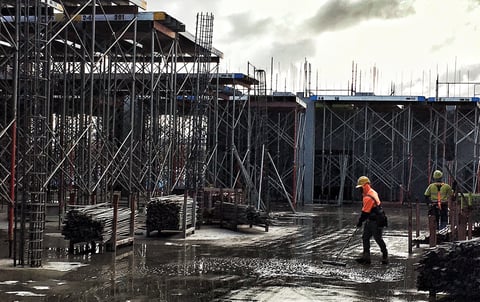
Direct materials are those used directly in the production of a product or the provision of a service. These materials are easily identifiable and quantifiable in the final product. Some common examples of direct materials include:
These are the basic components used to manufacture a product. For example, in furniture manufacturing, wood, metal, fabric, and leather would be considered direct materials.
If a product consists of several parts or components, these are also considered direct materials. For example, in computer manufacturing, the motherboard, processor, RAM, and other electronic components would be considered direct materials.
In some cases, the packaging materials used to protect and present a product are also considered direct materials. For example, in the food industry, the plastic packaging of a packaged product would be considered a direct material.

EIn certain industries, such as the pharmaceutical and cosmetics industries, various chemicals and substances are used as ingredients in the manufacture of final products. These materials are also considered direct.
In addition to direct material and direct labor costs, there are other direct production costs that may be associated with the manufacture of a product. Some of these costs include:
1. Equipment and Machinery Costs
These are the costs associated with the purchase, maintenance, and repair of the equipment and machinery used in the production process. This may include the purchase price of the machines, the cost of replacement parts, the cost of the energy consumed by the equipment, and any other costs related to their operation.
2. Tooling and Mold Costs
If the production process requires the use of special tools or molds When shaping or processing materials, these costs are considered direct. They include both the purchase cost and the maintenance and repair costs of tools and molds.
3. Outsourcing Costs
In some cases, certain operations or production processes may be outsourced to third parties. These costs are considered direct, since they are directly related associated with the production of the product. For example, if the assembly of components is outsourced, the cost of outsourcing would be considered a direct production cost.
4. Shipping and Transportation Costs
If manufactured products are to be shipped or transported to customers, the costs associated with packaging, transportation, and insurance of the products are considered direct production costs. These costs may include the cost of packaging materials, transportation costs, and any insurance necessary to protect the products during transit.
5. Quality Costs
The costs associated with quality control and quality assurance can also be considered direct production costs. These may include the cost of conducting tests and quality checks on products, the cost of inspecting products before shipment, and any other costs related to ensuring the quality of the final product.
2. Indirect Costs
The indirect costs These are expenses associated with the production of goods or services that cannot be easily attributed to a specific product or activity. These costs are not directly related They are not directly related to the labor or materials used in production, but rather are linked to the company's overall processes. Some examples of common indirect costs include:
1. Administrative Costs
These include expenses related to the management and oversight of the company, such as managers' salaries, accounting, payroll, and legal services.
2. Sales and Marketing Costs
These include expenses related to promotion and marketing related to the company's products or services, such as advertising, packaging design, sales commissions, and public relations activities.
3. Maintenance Costs
These include expenses related to the maintenance and repair of equipment, machinery, and buildings used in production.
4. Depreciation Expenses
They refer to the decline in the value of a company's assets over time, such as production equipment, vehicles, and real estate.
5. Utility Costs:
These include expenses for electricity, water, gas, and other utilities necessary to carry out the company's operations.
6. Insurance Costs
These include expenses related to protecting the company and its assets, such as liability, property, and health insurance.
It is important to note that classifying a cost as direct or indirect may vary depending on the company and its accounting system. These are just a few common examples of direct production costs, but there may be other specific costs depending on the nature of the industry and the production process.
Why is training necessary to be a good manager?
Today, the tasks an engineer must perform cover numerous aspects of various disciplines. When managing a construction project, an engineer must take all of the above factors into account in order to maintain effective cost control so that these costs do not increase excessively at the end of the project.
Efficient management requires the right tools to ensure proper financial oversight of the project to be carried out.
You can find these tools in the various courses and master's programs offered by Structuralia, in order to prevent the total cost of the project from deviating significantly from the initial budget, which could harm the company and the professional’s reputation.