International Clean Energy Day: the clean energy sources which are key to preserving our planet's climate conditions.
Today, the world is facing a unprecedented climate crisis, the consequences of which are felt in every corner of the planet. Much of this problem is due to the excessive use of fossil fuels and polluting energy sources that have driven climate change to alarming levels. However, in this critical context, there is a glimmer of hope that shines ever more brightly: clean energy sources. These clean and sustainable energy sources are emerging as vital solutions to mitigate the effects of global warming and pave the way toward a cleaner, more sustainable future.
The consequences The disastrous consequences of using polluting energy sources are evident, ranging from rising global temperatures and ocean acidification to extreme weather events, such as more intense hurricanes. The urgency of addressing this issue cannot be underestimated, and it is a call to action for everyone, especially for the professionals of the future, such as engineers and architects. They play an essential role in the transition to clean energy, since they are responsible for design and build the infrastructure of tomorrow. It is up to them to ensure that this infrastructure is efficient, sustainable, and compatible with clean energy sources, thereby helping to mitigate the climate crisis and preserve the planet for future generations.
International Day of Clean Energy (Non-Polluting Energy)
The International Clean Energy Day, held on January 26, is a day dedicated to raising awareness about the importance of to encourage and promote the use of renewable and sustainable energy sources worldwide. This commemorative day was established to highlight the urgent need to change our energy consumption patterns in order to address the environmental and climate challenges facing the planet.
The history of this date dates back to January 26, 2012, when the United Nations General Assembly officially proclaimed the International Clean Energy Day. The main objective is to raise awareness among the public and governments about the importance of investing in technologies and practices that reduce dependence on fossil fuels, lower greenhouse gas emissions, and promote equitable access to sustainable energy sources.
The objectives of this day are varied. First, it seeks to promote the adoption of policies and technologies that drive the transition toward a cleaner and more renewable energy mix. In addition, it aims to raise awareness about the importance of energy efficiency and resource conservation. It also highlights the need to ensure universal access to affordable and sustainable energy services, especially in communities that still lack them.
International Clean Energy Day provides an opportunity to reflect on our environmental impact and the need to adopt more sustainable practices in our daily lives. By celebrating this day, we aim to inspire concrete actions at both the individual and collective levels, in the hope of building a more sustainable and environmentally friendly future.
What are clean energy sources?
Clean EnergyYes, often referred to as clean energy or renewable energy, these are energy sources that are produced without significant greenhouse gas emissions nor the generation of toxic waste that is harmful to the environment. These energy sources are sustainable in the long term, since they are based on inexhaustible natural resources or natural cycles that are constantly renewing themselves. Non-polluting energy sources stand out for its ability to drastically reduce its environmental footprint compared to conventional energy sources, such as fossil fuels.
Advantages and Disadvantages of Clean Energy
Like everything else, clean energy is not a perfect solution, since—despite its significant environmental benefits—it still has drawbacks that complicate its implementation:
Advantages of Clean Energy
-
- Reduction of Greenhouse Gas Emissions: One of the most notable benefits of clean energy is its ability to significantly reduce greenhouse gas emissions. By relying on renewable and clean sources, such as solar, wind, and geothermal energy, these technologies minimize their contribution to climate change.
- Abundance of Natural Resources: Clean energy sources, such as solar and wind power, rely on inexhaustible natural resources—such as sunlight and wind—that are available in abundance throughout the world. This ensures a constant and reliable supply of energy.
- Energy Independence and Diversification:By adopting clean energy sources, countries can reduce their dependence on imported fossil fuels, thereby improving their energy security. In addition, diversifying energy sources reduces vulnerability to fluctuations in fuel prices.
- Job Creation and Economic Stimulus: The transition to clean energy leads to job creation in sectors such as the manufacturing of solar panels, wind turbines, and related technologies. It also drives economic growth by attracting investment in sustainable infrastructure.
Disadvantages of Clean Energy Sources
-
- Intermittency and Variability: Some clean energy sources, such as solar and wind power, are intermittent and depend on weather conditions. This can make it difficult to generate energy consistently, requiring storage solutions and backup systems.
- Space Requirements:The installation of large-scale wind farms and solar panel fields requires considerable space, which can sometimes lead to land-use conflicts and urban planning challenges.
- High Initial Investment: Although clean energy can offer long-term savings, the initial investment in technology and equipment is often high. This can be a barrier to widespread adoption.
- Local Environmental Impacts: Although they are significantly lower than those of fossil fuels, some forms of clean energy, such as large hydroelectric dams, can have local environmental impacts, such as the disruption of aquatic ecosystems.
The Most Important Clean Energy Sources
In the world of energy non-polluting, several technologies stand out for their importance in the transition toward a sustainable future. Below, we highlight some sources of clean energy Most relevant:
- Solar Energy: Solar energy is one of the most accessible and promising non-polluting energy sources. It is obtained by capturing solar radiation through photovoltaic panels or thermal collectors. Solar energy is used in both small-scale systems, such as residential solar panels, and large-scale projects, such as photovoltaic and solar thermal power plants. A notable example can be found in Central America: the Horus Energy solar power plant, which has become a leader in innovation and sustainability.
- Wind Energy: Wind energy is generated by harnessing the power of the wind to turn wind turbines that produce electricity. This energy source is widely used around the world and has become one of the most effective solutions for reducing carbon emissions.
- Hydroelectric Power: Hydroelectric power involves the construction of dams and the generation of electricity through the flow of water. It is a well-established energy source and one of the main sources of electricity in many countries, providing a steady and reliable supply.
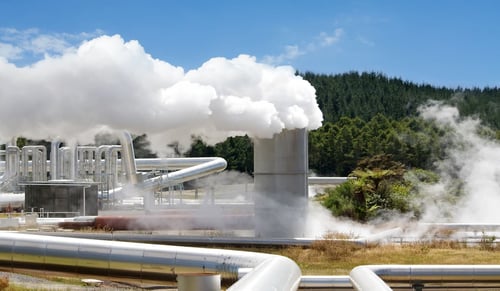
- Geothermal Energy: Geothermal energy is obtained by harnessing the Earth's internal heat. Geothermal power plants use underground heat to generate electricity and heat, making them a sustainable option for many regions.
- Biomass and Biogas: Biomass involves the use of organic matter, such as wood, agricultural residues, and organic waste, to produce energy. Biogas, on the other hand, is produced through the decomposition of organic matter in the absence of oxygen. Both energy sources are versatile and contribute to waste management and the production of renewable energy.
- Tidal Energy: Tidal energy harnesses the movement of ocean tides to generate electricity. Although its use is more limited compared to other sources, it is a viable option in coastal regions.
In a constantly evolving world, the transition to clean energy is becoming imminent. The advantages of these energy sources are clear: emissions reduction, energy independence, and job creation are just the beginning. As future professionals and lovers of the planet, we must commit ourselves to the cause of clean energy sources. This involves not only understanding its importance, but also acquiring specialized knowledge and skills in energy efficiency and sustainable technologies.